the wire · #ai · 2026-07-24
As US weighs response to Chinese AI, industry urges against broad open-weight restrictions
Cech Tech Reviews
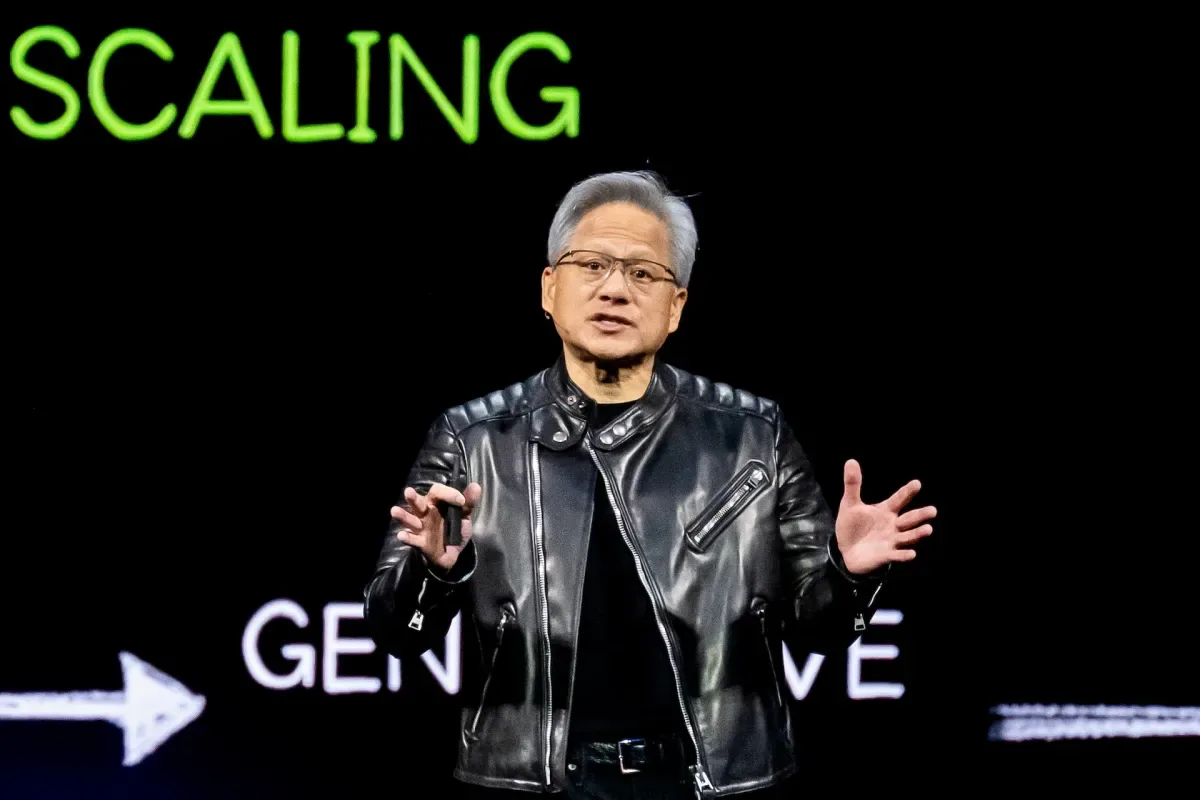
As Washington scrambles to respond to China's DeepSeek moment, a coalition of AI companies is telling regulators to pump the brakes on restricting open-weight models. Nvidia and Mistral are among the firms warning that broad restrictions could do more harm than good, according to industry sources familiar with the discussions.
The timing matters. US policymakers are spooked by allegations that Chinese labs distilled capabilities from American frontier models, and some are eyeing open-weight releases as a potential security leak. But the industry argument is straightforward: restricting open models would hand China a competitive advantage while hobbling the US developer ecosystem that depends on them.
This puts regulators in a bind. Open-weight models power countless startups, research labs, and enterprise AI projects. They let developers fine-tune models for specific use cases without paying API fees or sending data to third parties. Restricting them would crater that entire layer of the stack, and unlike export controls on chips, it is nearly impossible to enforce once a model is published.
The distillation concern is real but overblown. Yes, you can use a powerful model to generate training data for a smaller one. But distillation is not magic, it still requires compute, data, and engineering talent, and the student model rarely matches the teacher. China does not need American open-weight models to build capable AI. They have their own labs, their own data, and increasingly their own chips.
What they do not have is the vibrant open-source ecosystem the US has built. Restricting open weights would not stop Chinese labs from training models. It would stop American developers from building on top of them. That is a self-inflicted wound, not a security win.
The smarter move is targeted controls on the most sensitive capabilities, not blanket restrictions on model sharing. If a model can generate functional bioweapons designs or automate cyberattacks at scale, sure, keep it closed. But a 7B parameter coding model is not a national security threat, it is infrastructure.
What this means for you: if you are building with open-weight models like Llama, Mistral, or Qwen, do not assume they will always be freely available. Diversify your dependencies and keep an eye on the regulatory landscape. For now, the industry push seems to be working, but the debate is far from settled. Try this workflow: audit which of your AI tools depend on open models versus API services, and sketch out a contingency plan for each. Ask your AI assistant, 'What are the trade-offs between using an open-weight model I host versus a commercial API for [your specific use case], including cost, control, and regulatory risk?' It will help you map your exposure before policy changes force your hand.
Reporting basis: original story
← back to The Wire