the wire · #topnews · 2026-08-12
Big Tech Wants to Harvest Your Thoughts
Cech Tech Reviews
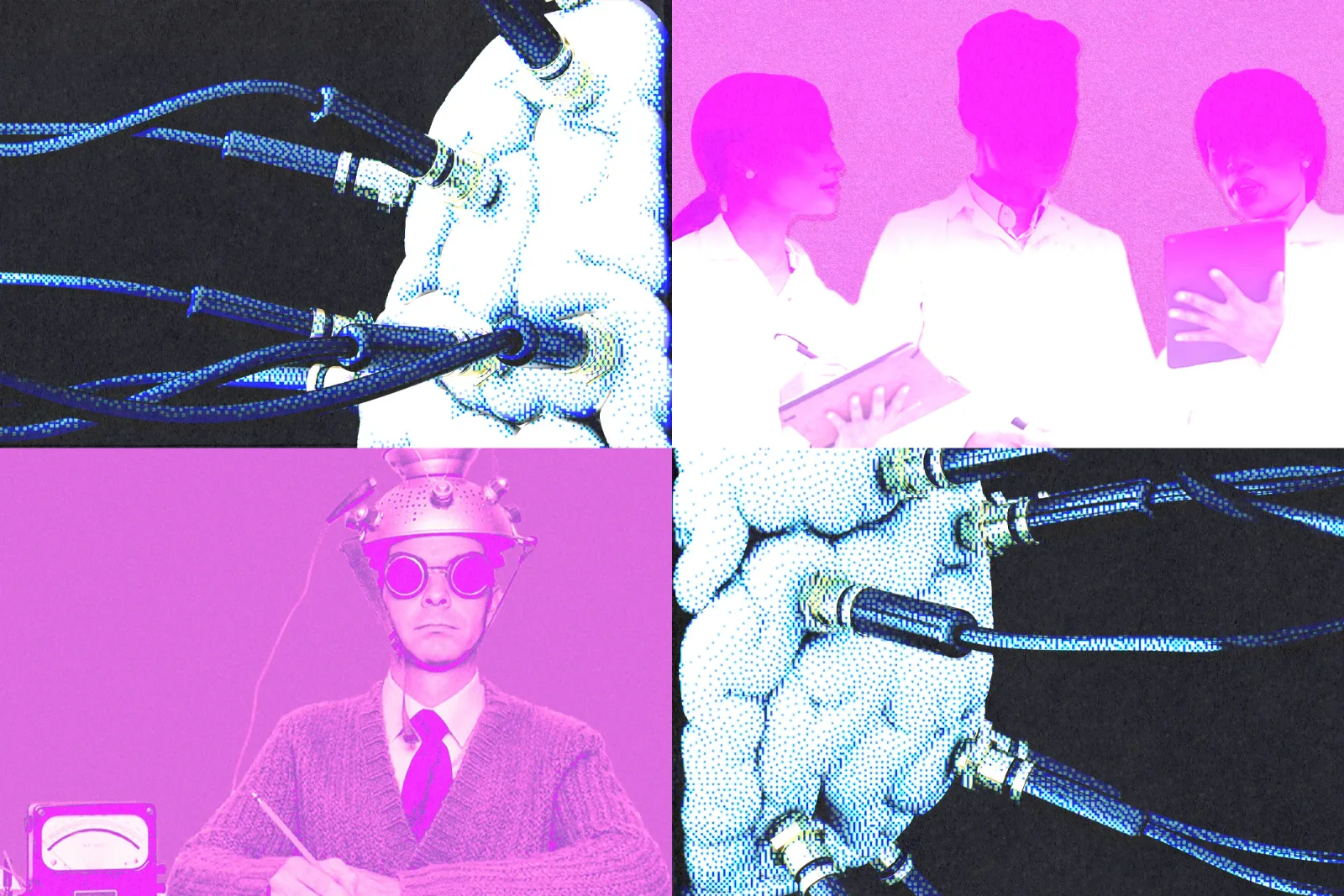
The boundary between your inner mind and the digital world is dissolving faster than most of us expected. According to recent reporting, major Silicon Valley firms are actively developing neurotechnology products designed to track and interpret brain activity. This shift marks a profound transition from tracking what you do online to monitoring what you think offline.
We have spent years debating the privacy implications of location data, search history, and social media interactions. Those concerns were significant, but they pale in comparison to the potential intrusion of neural data. Companies are no longer just interested in your clicks. They are positioning themselves to understand your intentions before you even act on them.
This development represents the next great frontier in data harvesting. If you can track a user's eye movements or heart rate to infer interest, the logical next step is direct brain signal interpretation. The technology is still emerging, but the infrastructure for collecting this data is being built right now by the same entities that dominate our current digital lives.
The implications for consumer privacy are staggering. Imagine a world where your emotional state, focus levels, and subconscious reactions are packaged into a data profile. This information could be used to tailor advertisements with terrifying precision or to influence decision-making processes in ways that bypass conscious awareness entirely.
We are also facing a new ethical dilemma regarding cognitive liberty. Who owns the data generated by your neural activity? Is it considered personal health information, or is it treated as behavioral data? Current legal frameworks are ill-equipped to handle the nuances of mental privacy. We need robust regulations before these technologies become mainstream.
For professionals in the tech and AI sectors, this is a critical area to watch. The integration of brain-computer interfaces into consumer devices will likely drive the next wave of innovation. However, it will also trigger intense regulatory scrutiny and public backlash if privacy safeguards are not prioritized from the start.
What this means for you is that you must remain vigilant about the data you share and the devices you use. As AI models become more sophisticated at interpreting human behavior, the line between observation and manipulation will blur. Start by auditing your digital footprint and understanding how your data is currently being used.
Here is a practical workflow idea to stay ahead of the curve. Use an AI assistant to draft a personal data privacy policy for your own digital habits. Ask the AI to analyze your current app permissions and suggest stricter settings for data sharing. This proactive approach will help you maintain control as these new technologies emerge.
Reporting basis: original story
← back to The Wire