the wire · #ai · 2026-08-03
China's Alibaba takes another swipe at America’s AI supremacy
Cech Tech Reviews
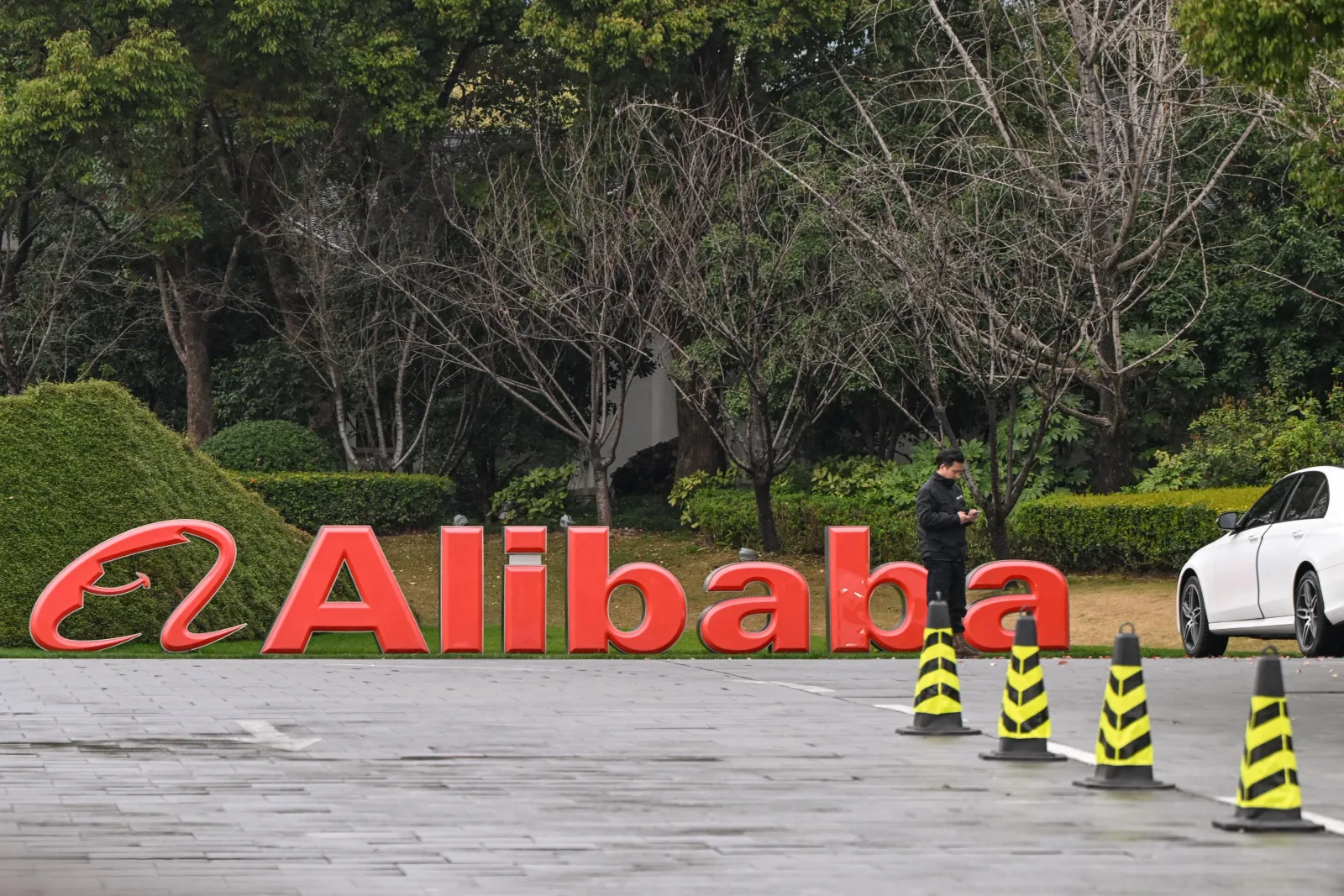
Alibaba just dropped Qwen3.8-Max, calling it their most capable AI model yet and claiming it rivals the performance of Claude and GPT-4 class systems, according to The Verge. The Chinese tech giant made the model widely available this week after previewing it last month, when they positioned it just behind Anthropic's Claude 3.5 Sonnet in capability.
This release matters because it shows China's AI labs are closing the gap despite US restrictions on advanced chip exports. Alibaba built this system under semiconductor sanctions designed to slow exactly this kind of progress. The fact that they're releasing it openly, rather than keeping it proprietary, suggests confidence and a strategic bet on ecosystem growth over pure commercial advantage.
The timing adds fuel to an already tense situation. Washington has spent two years tightening controls on AI chip exports to China, betting that hardware limits would create an unbridgeable moat. Models like Qwen3.8-Max suggest that Chinese labs are finding ways around those constraints through algorithmic efficiency, alternative architectures, and stockpiled hardware.
For context, Alibaba isn't alone in this push. Domestic competitors like Moonshot AI and DeepSeek have been releasing increasingly capable models throughout 2025 and 2026. This isn't one breakthrough, it's a pattern showing that China's AI ecosystem has matured beyond simply copying Western approaches. They're innovating in model architecture and training techniques that work within their hardware constraints.
The open release strategy is particularly interesting. While OpenAI and Anthropic keep their frontier models behind APIs, Alibaba is making Qwen3.8-Max widely accessible. That could accelerate adoption across Chinese enterprises and developers, creating a parallel AI economy less dependent on US platforms. It also makes the model harder to control or restrict through future policy measures.
What this means for you: if you're building AI-powered products or workflows, the geopolitical fragmentation of AI platforms is becoming a practical concern, not just a policy abstraction. You might need to plan for a world where the best Chinese and Western models don't interoperate seamlessly, and where your users in different regions expect different underlying systems. Try this prompt with your current AI assistant: "Help me audit our product's AI dependencies and identify which features would need alternatives if we lost access to [specific model family]. Create a risk matrix with mitigation options." That exercise will surface hidden single points of failure before they become critical.
Reporting basis: original story
← back to The Wire