the wire · #global · 2026-07-18
China’s Moonshot AI Unveils Kimi Model, Threatening America’s Lead
Cech Tech Reviews
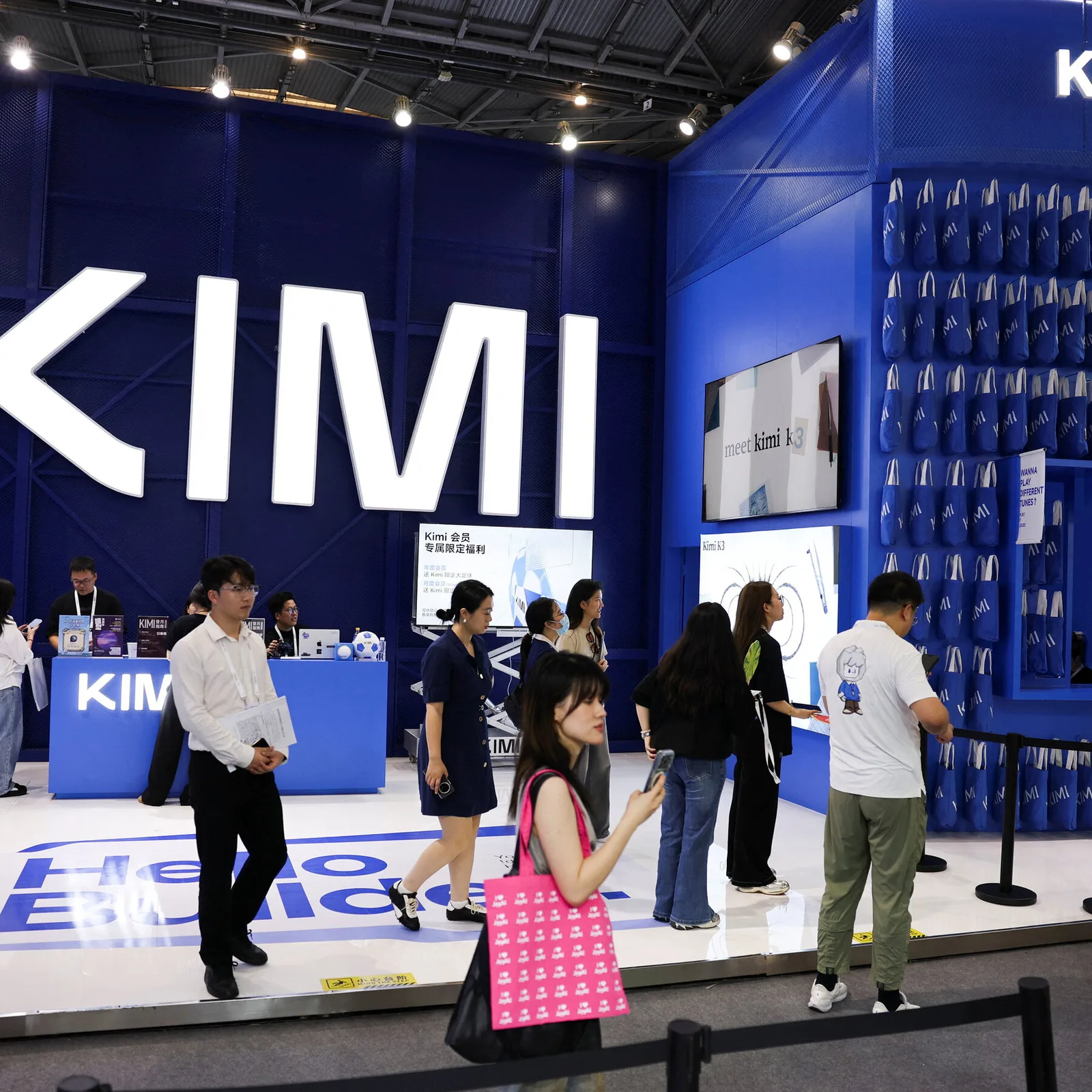
The landscape of artificial intelligence is shifting beneath our feet, and the latest tremor comes from Beijing. According to recent reports, China’s Moonshot AI has unveiled Kimi, a new large language model that is freely available to the public. This is not just another incremental update. It is a strategic maneuver that appears to significantly narrow the performance gap between Chinese innovation and the cutting-edge offerings from American tech giants.
For years, the narrative has been dominated by the US lead in foundational AI models. Companies like OpenAI and Google have set the pace with expensive, compute-heavy systems. Moonshot AI’s decision to release Kimi for free disrupts this dynamic. It suggests that the barrier to entry for high-quality AI is lowering, which could accelerate adoption globally. This move forces competitors to rethink their pricing and accessibility strategies.
The implications for the global AI race are profound. If a Chinese model can match the capabilities of its US counterparts while being free, it challenges the assumption that superior performance requires massive capital investment. This democratization of technology could empower developers and entrepreneurs in emerging markets who previously could not afford enterprise-grade AI tools. It levels the playing field in unexpected ways.
From an industry perspective, this highlights the intense competition in the generative AI sector. The race is no longer just about who can build the smartest model. It is also about who can distribute it most effectively. Moonshot AI is betting that accessibility will drive adoption faster than proprietary locks. This strategy mirrors early open-source movements that disrupted software markets by prioritizing community and ease of use over exclusivity.
What this means for you is that the cost of leveraging advanced AI is dropping. As models like Kimi become more capable and accessible, the value of proprietary data and unique workflows increases. You should focus on how to integrate these powerful tools into your daily operations rather than worrying about which company owns the underlying model. The technology is becoming a commodity, but the application remains a competitive advantage.
To stay ahead, try using an AI assistant to audit your current workflows for inefficiencies. Ask it to identify repetitive tasks that could be automated using free, open-access models. This approach helps you capitalize on the lowering barriers to entry without needing expensive enterprise licenses.
The broader trend here is the globalization of AI innovation. We are moving away from a unipolar tech world toward a multipolar one. This diversity of players fosters resilience and innovation. It ensures that no single entity can control the future of artificial intelligence. The release of Kimi is a clear signal that the next wave of AI breakthroughs may come from unexpected places.
As we watch this development, remember that the true value of AI lies in its application. The models are just tools. The real power comes from how you use them to solve problems. Keep experimenting with new tools and stay curious about the evolving landscape. The future of work is being shaped by these rapid advancements, and those who adapt quickly will thrive.
Reporting basis: original story
← back to The Wire