the wire · #ai · 2026-07-14
OpenAI may announce a ChatGPT smart speaker this year
Cech Tech Reviews

OpenAI is reportedly preparing to launch its first physical hardware device, and it is not what you might expect from a company known for software. According to a report from Bloomberg, the device will be a smart speaker designed to let users converse with ChatGPT without the crutch of a screen. This marks a significant shift in strategy for the company, moving beyond the chat interface that has defined its public presence.
The device is expected to feature a camera and additional sensors to help it understand the user's environment. This suggests OpenAI is aiming for a more contextual and spatial form of AI interaction. They are not just building a voice assistant but one that can perceive and react to the physical world around it.
Interestingly, the report indicates the speaker will have a rechargeable battery, allowing for portability. This detail implies OpenAI envisions the device being moved around the home or even taken on short trips. It is not meant to be a stationary hub but a mobile companion for AI-driven tasks.
The announcement timing is particularly notable given the recent legal friction between OpenAI and Apple. Apple filed a lawsuit accusing OpenAI of stealing hardware secrets, a claim OpenAI has firmly denied. This hardware debut could be seen as a strategic assertion of independence and capability in the face of those allegations.
From an industry perspective, this move highlights the growing competition to own the physical interface for AI. While tech giants like Amazon and Google have dominated the smart speaker market, OpenAI brings a different value proposition. They are betting that superior language models can drive hardware adoption in a way that simple command-and-control assistants cannot.
The focus on environmental understanding through sensors suggests a future where AI is less about retrieving information and more about proactive assistance. This aligns with broader trends in AI development where context and multimodal inputs are becoming critical for creating truly helpful agents.
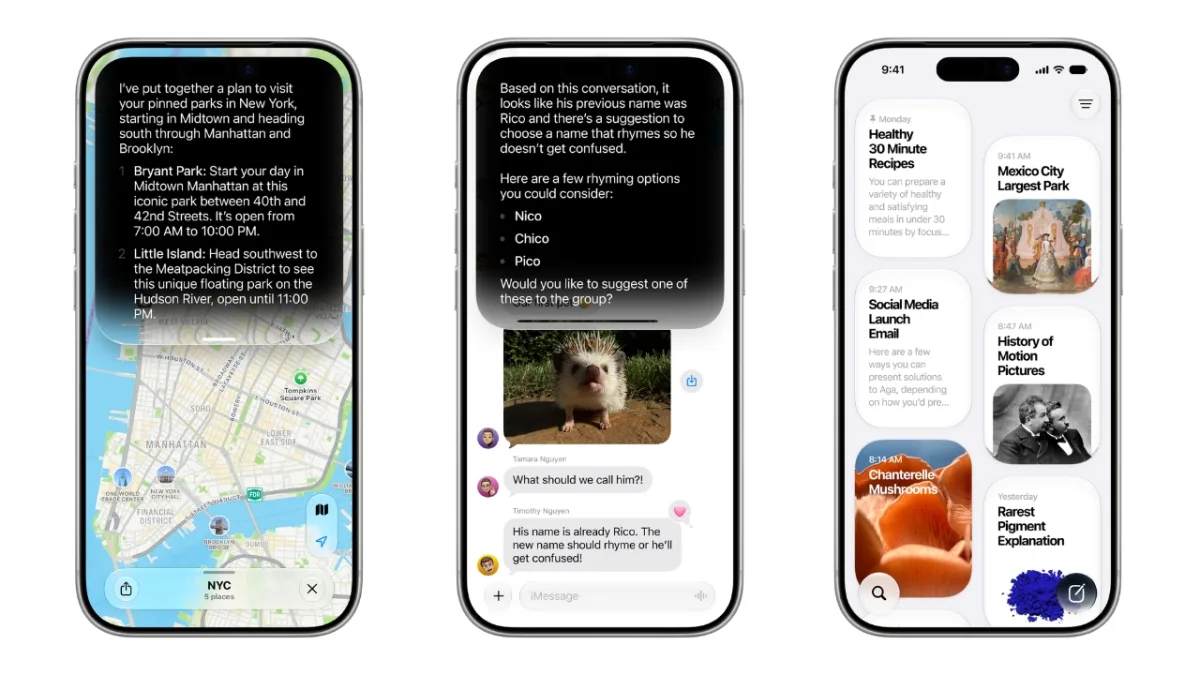
What this means for you As AI tools become more integrated into physical spaces, your workflow may soon involve voice and environmental cues rather than just typing. To prepare, try using an AI assistant to plan a day based on your location and calendar. Ask it to suggest activities that fit your current environment and time constraints to see how contextual AI can enhance your daily routine.
Reporting basis: original story
← back to The Wire