the wire · #topnews · 2026-07-18
Your Period Tracker Is (Probably) Spying on You
Cech Tech Reviews
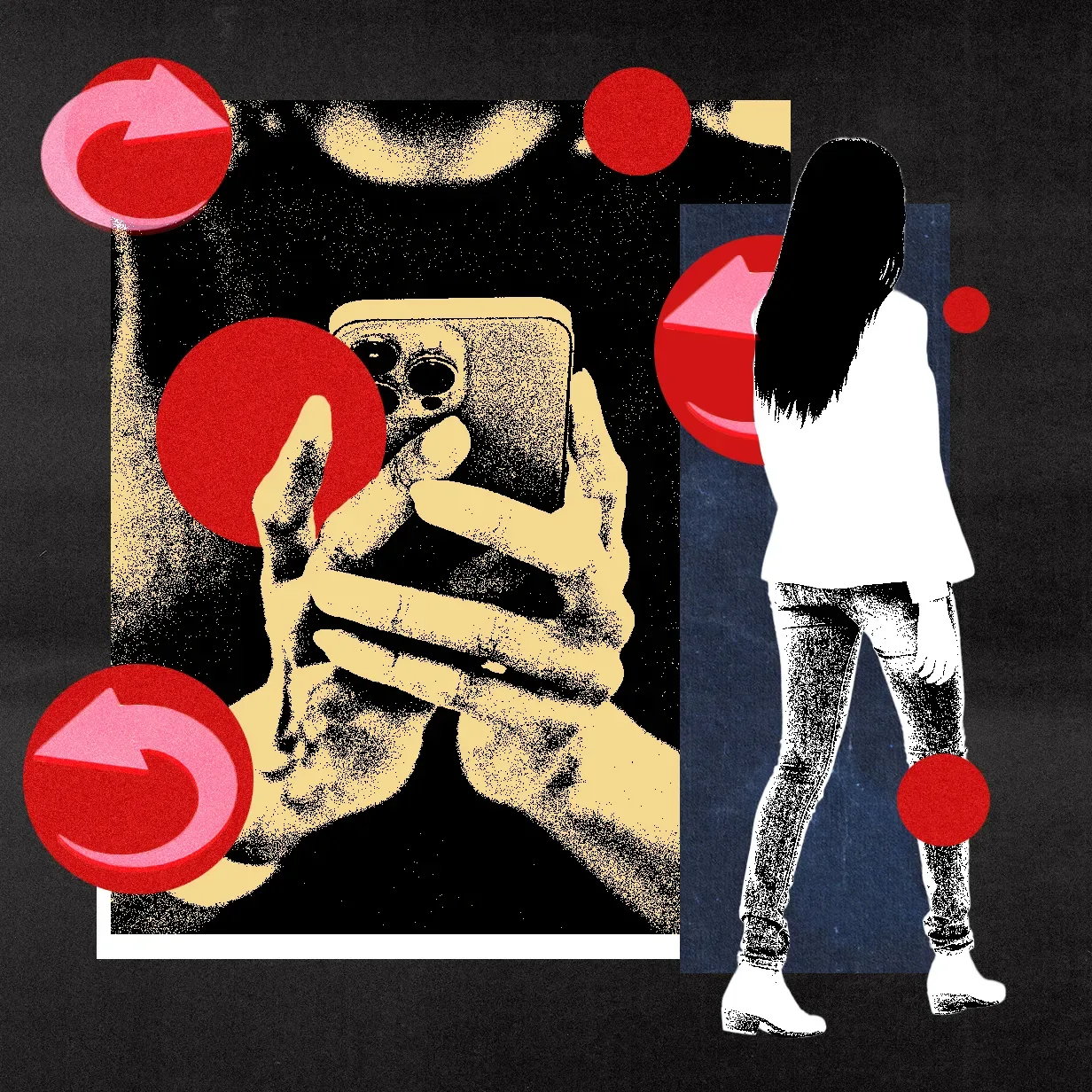
The illusion of privacy in health apps is crumbling faster than we might like to admit. According to recent reporting, many period tracking applications are not just logging your cycle but actively sharing that intimate data with third parties. This revelation challenges the assumption that health-related metadata is off-limits to advertisers and data brokers. It is a stark reminder that free tools often come with a hidden cost measured in personal information.
The scope of this data collection is far broader than simple calendar entries. These apps frequently gather location data, device identifiers, and even behavioral patterns. This information creates a detailed profile that can be sold to marketers or used for targeted advertising. Users who believe they are simply tracking ovulation are often participating in a much larger data economy without their full consent.
This trend is not isolated to reproductive health. The broader tech landscape shows a consistent pattern of infrastructure vulnerabilities being exploited. For instance, recent reports indicate that Russian cyberspies are increasingly targeting critical infrastructure. This shift suggests that state actors are looking for high-impact entry points rather than just individual user data. The stakes are rising from privacy invasions to national security threats.
Meanwhile, government agencies are struggling to keep pace with these evolving threats. The Department of Homeland Security has reportedly failed to recognize it had been hacked for a significant period. This lag in detection highlights a systemic issue in how public institutions manage cybersecurity. It underscores the need for more robust and proactive monitoring systems across all sectors.
In the creative tech space, an AI music generator has faced scrutiny over its data scraping practices. This breach exposes the ethical and legal gray areas surrounding generative AI training data. As AI models become more sophisticated, the question of consent for data usage becomes increasingly urgent. Developers must navigate a complex landscape where innovation often outpaces regulation.
The convergence of these stories points to a critical juncture for digital privacy. Users are increasingly vulnerable to both corporate data harvesting and sophisticated cyber attacks. The lack of transparency in how data is collected and used erodes trust in digital services. This erosion of trust could slow down the adoption of beneficial technologies if not addressed.
What this means for you is that you must assume your health data is not private by default. Review the privacy settings of any health app you use and limit data sharing where possible. Consider using offline methods or apps with strict no-sharing policies for sensitive information. To protect your data, try this prompt with an AI assistant: "Analyze the privacy policy of [App Name] and list all third-party data sharing practices in simple terms." This will help you make informed decisions about which tools to trust with your personal health information.
Reporting basis: original story
← back to The Wire