the wire · #topnews · 2026-07-30
Don’t Get Too Attached to Jimothy
Cech Tech Reviews
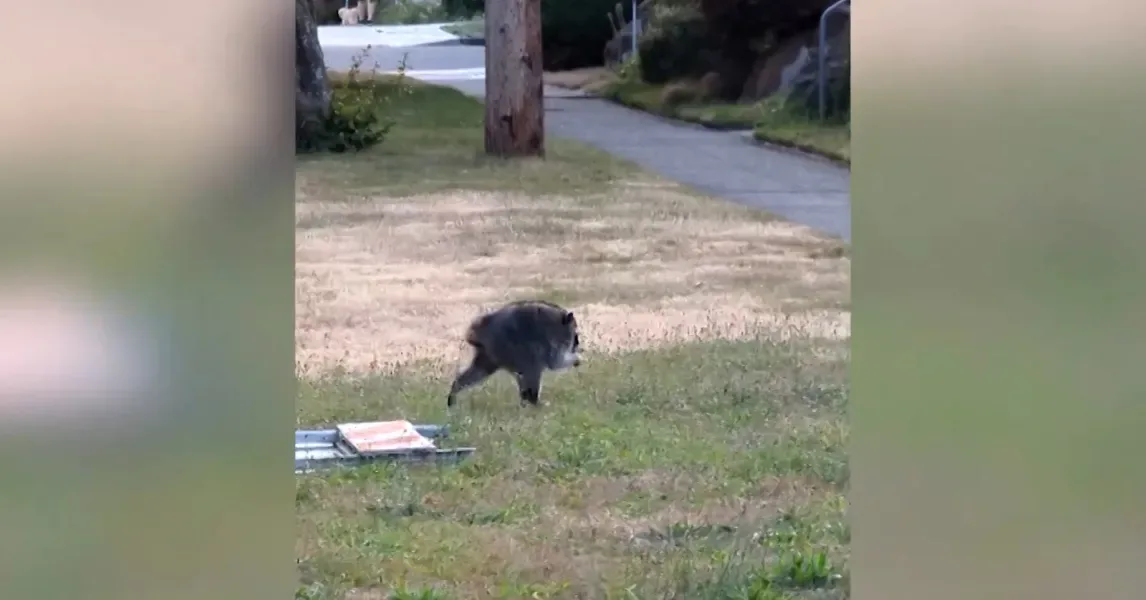
The internet has a way of turning the most unlikely creatures into global icons, and Jimothy the stumpy raccoon is the latest example of this phenomenon. Urban wildlife biologists have confirmed that Jimothy has adapted remarkably well to his environment despite his spinal condition. However, they are now warning that his sudden surge in online popularity poses a genuine threat to his safety and well-being.
According to recent reports from wildlife experts, the core issue is not the raccoon’s health but the behavior of his newfound audience. When an animal goes viral, it often attracts people who feel compelled to visit the location to see the creature in person. This influx of human traffic can disrupt the animal’s natural routines, increase stress levels, and potentially expose them to diseases or predators that were previously absent from their habitat.
This situation mirrors a broader trend in digital culture where empathy is expressed through visibility rather than distance. In the age of algorithmic amplification, unique or visually striking animals are quickly identified and shared across platforms. While this can raise awareness for conservation, it often lacks the nuance needed to protect the subjects. The line between celebrating wildlife and exploiting it for content becomes dangerously thin.
From an AI perspective, this is a fascinating case study in how technology mediates our relationship with nature. AI-driven image recognition and recommendation engines are designed to surface engaging content. They do not inherently understand the ecological consequences of virality. The system sees a cute raccoon and pushes it to millions of users. It does not see the potential for habitat disturbance or the ethical dilemma of feeding wild animals for a photo.
We need to develop a more responsible framework for sharing wildlife content. This does not mean stopping the sharing of such stories. Instead, it requires a shift in how we consume and distribute this information. Platforms and users must prioritize educational value over sensationalism. We should focus on the resilience of these animals rather than just their novelty.
The role of AI in this ecosystem is critical. We can use machine learning to detect and flag content that encourages dangerous interactions with wildlife. For instance, an AI assistant could analyze a post and suggest adding a disclaimer about maintaining distance. This kind of intervention could help mitigate the negative impacts of viral fame without stifling the joy of discovering nature through digital means.
What this means for you: As professionals and enthusiasts, we must be mindful of how we share content involving wildlife. Always check if the post encourages harmful behavior like feeding or approaching animals. Use AI tools to draft captions that emphasize conservation and respect for natural habitats. Try this prompt with your AI assistant: "Analyze this wildlife photo description and suggest edits to ensure it promotes safe distance and conservation ethics rather than encouraging human interaction." This simple step can help protect vulnerable species while still sharing their stories responsibly.
Reporting basis: original story
← back to The Wire