the wire · #topnews · 2026-07-29
Tropical Diseases Like Dengue Fever and Chikungunya Are on the Rise in Europe
Cech Tech Reviews
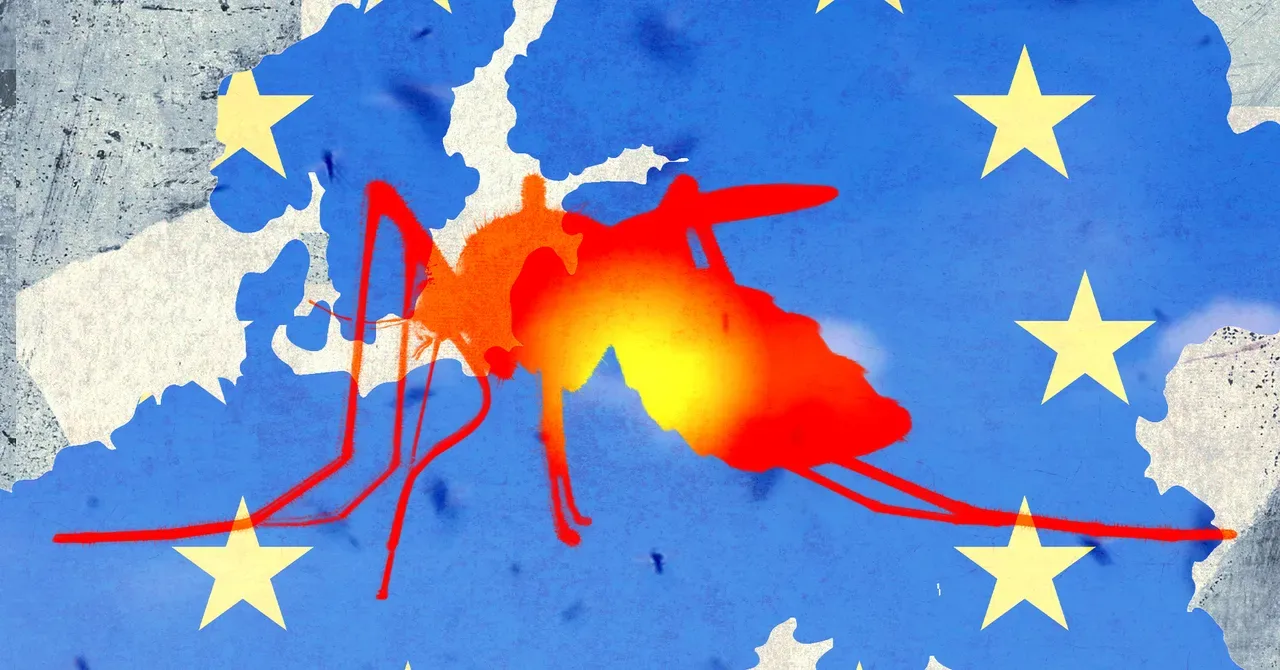
The narrative that tropical diseases are strictly confined to the equator is rapidly becoming obsolete. According to recent reporting, climate change is actively reshaping the biological landscape of Europe. Invasive species like the Asian tiger mosquito are not just arriving; they are establishing permanent footholds across the continent. This is a structural shift in public health infrastructure that requires immediate attention from tech leaders and healthcare providers alike.
The core issue is not merely the presence of these vectors but their extended viability. Warmer temperatures allow species that carry dengue fever and chikungunya to survive longer and reproduce more aggressively. Scientists suggest we must adapt to this new reality rather than hoping for a return to previous climatic norms. This adaptation requires robust data systems capable of tracking these changes in real time.
For the AI community, this represents a critical use case for predictive analytics. Traditional public health models often rely on historical data that no longer reflects current biological realities. Machine learning algorithms trained on outdated climate patterns will fail to predict outbreaks accurately. We need models that integrate live meteorological data with vector population dynamics to provide early warnings.
The implications for healthcare entrepreneurs are significant. There is a growing market for tools that help hospitals and clinics prepare for vector-borne disease spikes. AI-driven diagnostic assistants can help general practitioners distinguish between flu-like symptoms and tropical diseases in regions where such illnesses were previously rare. This reduces misdiagnosis and improves patient outcomes during the initial stages of infection.
Data privacy and ethical considerations also come into play when tracking disease vectors. Surveillance systems that monitor mosquito populations or patient health records must be designed with strict privacy safeguards. The technology must be transparent and community-focused to maintain public trust. Without trust, the data collection necessary for effective AI modeling will face resistance and regulatory hurdles.
The broader trend here is the intersection of environmental science and artificial intelligence. As climate change alters biological systems, AI becomes the primary tool for understanding and mitigating these shifts. This is not just about health; it is about resilience. Organizations that invest in these predictive capabilities now will be better positioned to handle future biological disruptions.
What this means for you: If you work in healthcare or public sector tech, start exploring how AI can integrate climate data with health outcomes. Try using an AI assistant to draft a proposal for a pilot program that uses predictive modeling to alert local clinics about potential dengue fever risks based on weekly temperature and humidity forecasts. This proactive approach can save lives and reduce system strain during outbreak seasons.
Reporting basis: original story
← back to The Wire