the wire · #ai · 2026-09-24
Everything new coming to Meta's AI agent Muse
Cech Tech Reviews

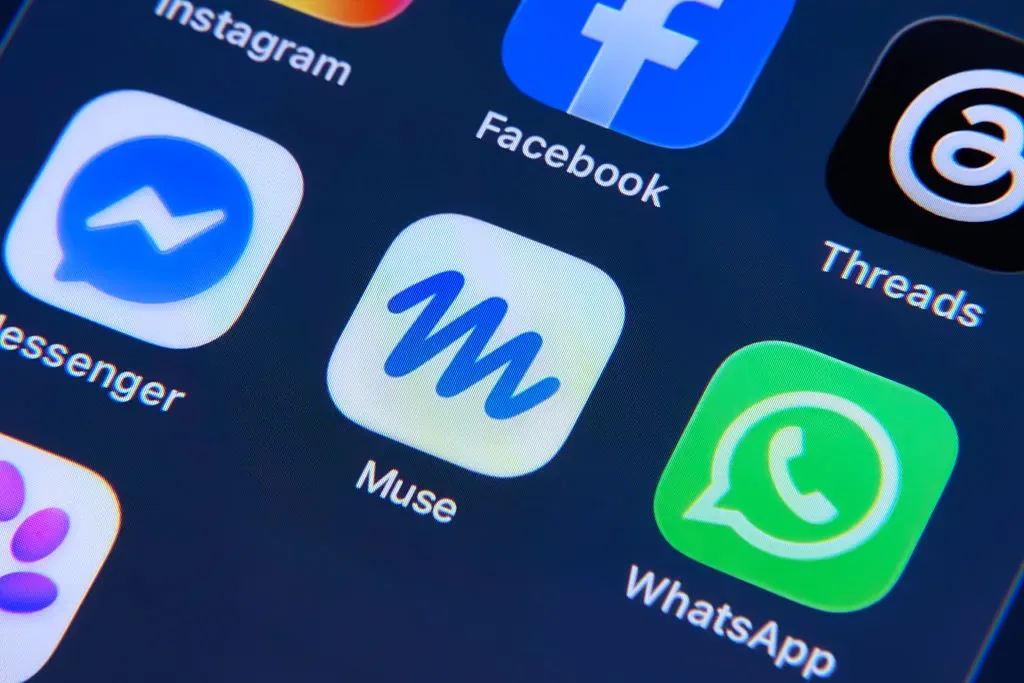
Mark Zuckerberg opened Meta’s annual Connect event in Menlo Park with a keynote that left little room for ambiguity. The company is going all-in on Muse, its new AI agent, as the central pillar of its future technology roadmap. This is not just a minor feature update but a strategic pivot toward a more integrated, conversational digital experience.
According to reports covering the event, Muse is designed to be more than just a chatbot. It is positioned as a proactive assistant capable of handling complex tasks across Meta’s ecosystem. This includes managing communications, organizing information, and potentially coordinating actions between different apps and services. The goal is to reduce friction in daily digital interactions.
Perhaps the most significant announcement is that Muse will be integrated directly into Meta’s AI glasses. This moves the technology from a screen-bound experience to an ambient, wearable form factor. It suggests that Meta envisions a future where AI assistance is always available, hands-free, and context-aware. This aligns with broader industry trends toward spatial computing and wearable AI.
The integration into hardware signals a shift in how Meta plans to monetize and distribute its AI capabilities. By embedding Muse into glasses, the company is creating a new interface for human-computer interaction. This could redefine how users access information, communicate, and consume media in public and private spaces.
From an analytical perspective, this move places Meta in direct competition with other tech giants racing to dominate the AI agent space. It also raises important questions about privacy, data security, and the ethical implications of always-on AI assistants. Users will need to consider how much personal data they are comfortable sharing with a device that is constantly listening and observing.
The broader implication for the tech industry is a push toward more autonomous and intelligent digital assistants. As AI agents become more capable, they will likely take on more responsibilities, from scheduling meetings to managing finances. This could lead to a significant shift in how we interact with technology, making it more intuitive and less intrusive.
What this means for you: If you are interested in the future of wearable tech and AI assistants, keep an eye on how Muse evolves. Try experimenting with existing AI agents to see how they handle multi-step tasks. Here is a prompt you can use to test an AI assistant’s ability to plan and execute complex workflows: "Act as a project manager. Break down the goal of launching a new blog post into five actionable steps, assign estimated timeframes, and identify potential bottlenecks for each step." This helps you understand how AI can streamline your own productivity processes.
Reporting basis: original story
← back to The Wire