the wire · #ai · 2026-09-23
Spotify is giving you the keys to its recommendation algorithm with US launch of ‘Taste Profile'
Cech Tech Reviews
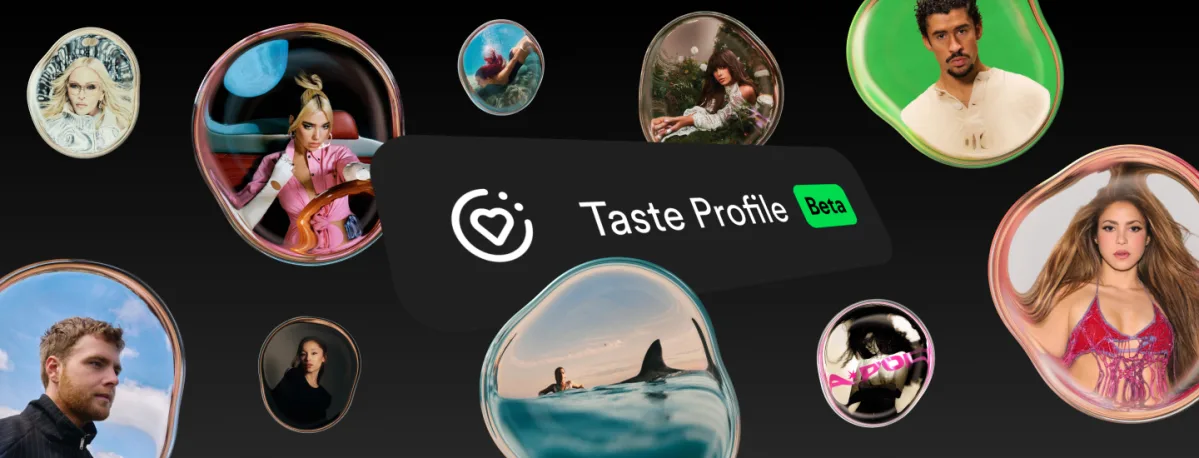
Spotify just opened the hood on its recommendation engine. The company is rolling out Taste Profile to Premium users in the United States, a feature that shows you exactly how Spotify's algorithm categorizes your listening habits and lets you tweak it using everyday language.
This is a meaningful shift in how streaming platforms handle personalization. According to Spotify's announcement, users can now see the genres, moods, and artist types the algorithm associates with their account, then tell it in plain English what to emphasize or downplay. Think of it as giving feedback directly to the AI that builds your Discover Weekly and Daily Mix playlists.
The natural language interface is the interesting part here. Instead of binary thumbs up and down or skipping tracks to signal your preferences indirectly, you can now say something like "show me more experimental jazz" or "less mainstream pop" and the system adjusts. It's the same conversational AI approach we're seeing across consumer apps, applied to a domain where getting recommendations right actually matters to daily experience.
Spotify has always been opaque about how its recommendation system works under the hood, beyond vague references to collaborative filtering and audio analysis. Taste Profile doesn't expose the full technical stack, but it does surface the key attributes the system tracks about you. That transparency matters because algorithmic curation shapes what millions of people listen to, discover, and ultimately what artists get heard.
The US launch suggests Spotify is testing how much control users actually want. Too much friction in tuning recommendations and people won't bother. Too little and the algorithm stays a black box that occasionally surfaces a baffling playlist. The natural language layer is a bet that conversational input is the right middle ground.
For anyone building or using AI systems, this is a useful model. When your AI makes decisions that affect user experience, showing your work builds trust. When you let users correct it in their own words instead of forcing them into preset categories, adoption goes up. Spotify is essentially productizing the idea that AI systems should be legible and steerable, not just accurate.
What this means for you: if you're using AI tools to curate content, research, or recommendations in your work, consider how you could add a similar feedback loop. Try this prompt with your AI assistant: "Here's how I'm currently filtering information on [topic]. What am I likely missing based on these criteria, and how should I adjust my filters to get a more complete picture?" It mirrors what Taste Profile does, turning implicit preferences into explicit, adjustable parameters you can refine over time.
Reporting basis: original story
← back to The Wire