the wire · #ai · 2026-09-22
Trump says the US is officially renaming AI to ‘super intelligence’
Cech Tech Reviews
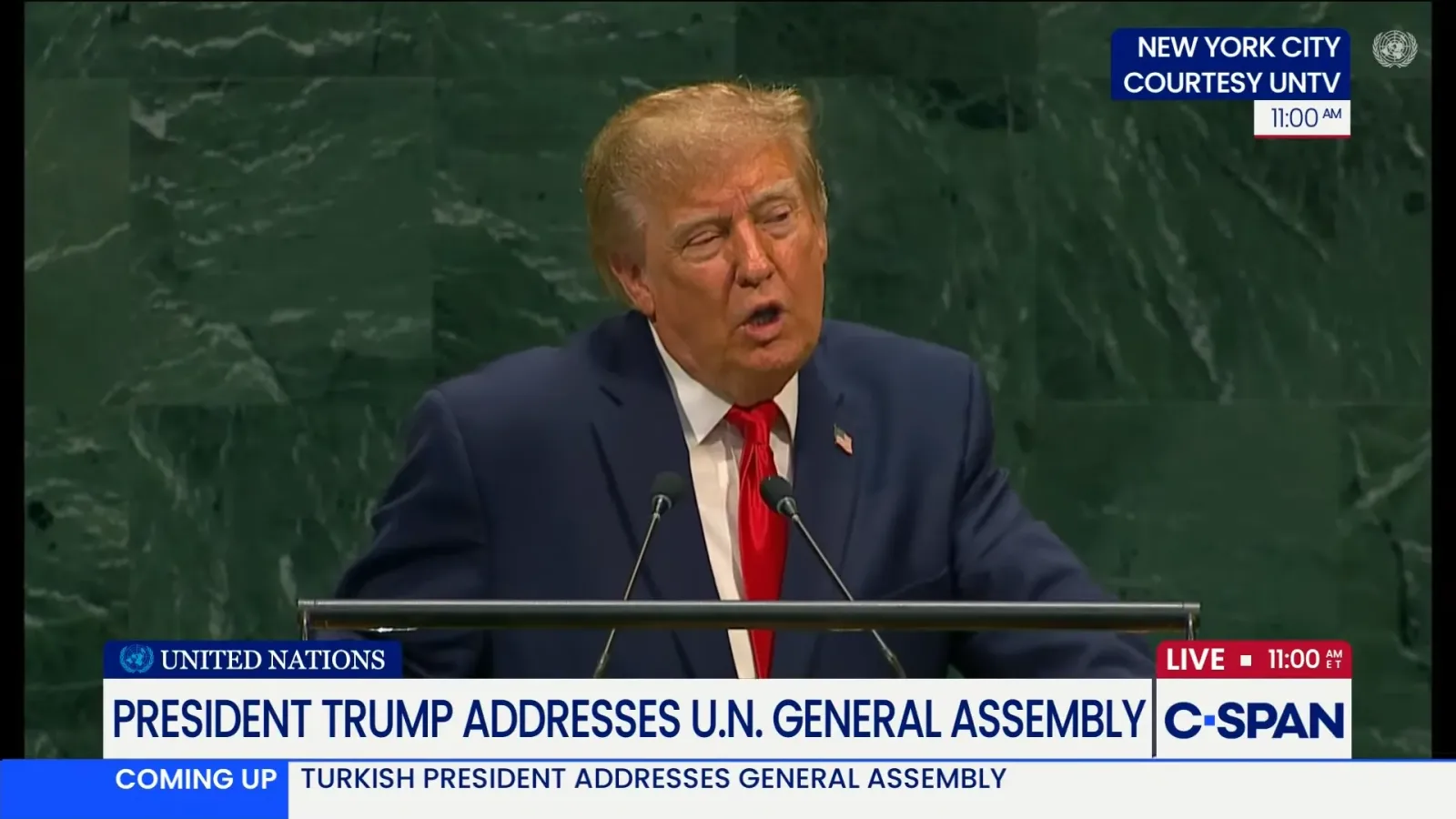
Donald Trump made a striking announcement during his address at the United Nations General Assembly on Tuesday. He declared that the United States is officially renaming artificial intelligence to super intelligence. This move comes after he previously polled his followers on the matter, suggesting a populist approach to technological nomenclature.
The reasoning behind this semantic shift is quite literal in Trump’s view. He argued that the word artificial makes the intelligence sound fake or less genuine. By removing that descriptor, he aims to elevate the perceived status and reality of the technology. It is a bold attempt to reframe how the public perceives the capabilities of these systems.
This naming convention aligns with a growing narrative in the tech industry. Many leaders are pushing to position AI not as a tool that mimics human thought, but as a distinct and superior form of cognition. The term super intelligence often implies capabilities that exceed human limits in specific domains. This framing helps justify the massive investments being poured into the sector.
However, the linguistic choice carries significant weight for developers and users alike. Artificial intelligence has always been about simulating cognitive functions. Calling it super intelligence might create unrealistic expectations about its general reasoning abilities. It risks conflating narrow task performance with broad, human-like understanding.
The political context of this announcement cannot be ignored. Trump used the same speech to criticize globalists and address other contentious issues. The AI renaming appears as part of a broader strategy to assert American dominance in key technological frontiers. It signals a desire to control the narrative around who leads the next industrial revolution.
For professionals working with these tools, the terminology shift is less important than the underlying capabilities. Whether you call it artificial or super, the practical applications remain the same. The focus should stay on how these models can augment human productivity and decision making.
What this means for you is that you should look past the branding and focus on the utility. The name change does not alter the code or the output of the models you use daily. Instead, use this moment to evaluate your own AI workflows for efficiency. Try prompting your AI assistant with this workflow idea: "Analyze my current daily tasks and identify three repetitive processes that can be automated using a multi-step AI agent workflow." This keeps your focus on tangible results rather than political semantics.
Reporting basis: original story
← back to The Wire