the wire · #topnews · 2026-07-17
The CDC Has a Cyclospora Lab. DOGE Downsized It Last Year
Cech Tech Reviews
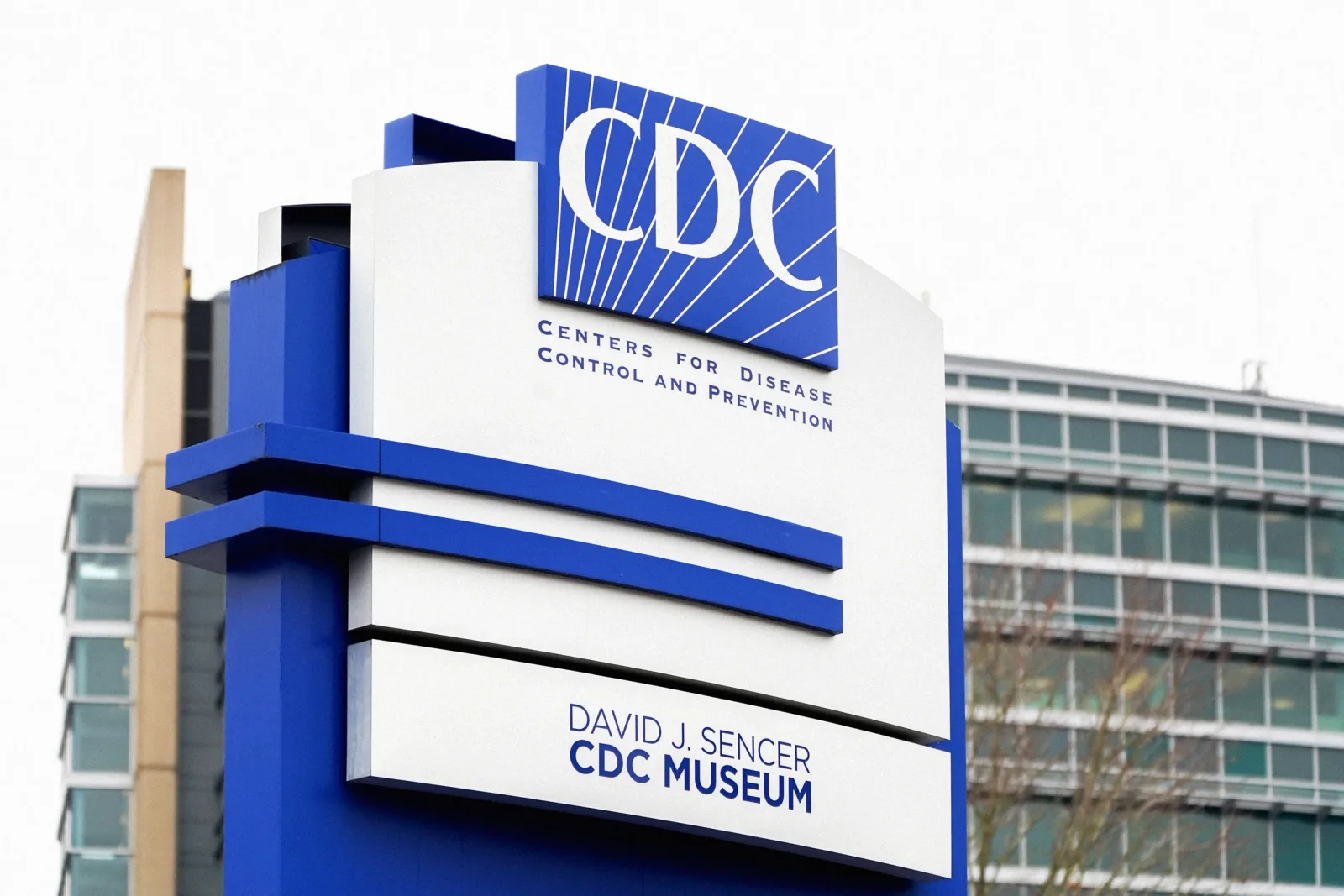
The intersection of government efficiency and public health safety just got a lot more complicated. According to reporting by WIRED, the Department of Government Efficiency (DOGE) downsized the CDC's specialized lab for Cyclospora last year. This move has sparked serious concerns among former agency leadership about the future of rapid disease outbreak responses.
Cyclospora is a parasite that causes foodborne illness, often linked to imported produce. Detecting it requires specialized laboratory capabilities that go beyond standard testing. The CDC lab in question was a critical node in the national surveillance network. Its reduction signals a broader shift in how the government approaches biological threat detection.
The former CDC lab director told WIRED that simple math suggests these responses will be greatly diminished. Outbreaks require rapid, timely action to prevent widespread illness. Slower detection means more people get sick before the source is identified. This delay can turn a manageable cluster of cases into a national crisis.
This situation reflects a larger trend in AI and tech policy. We are seeing similar debates about automating or reducing human oversight in critical systems. The argument for efficiency often clashes with the need for redundancy and specialized expertise. In public health, that expertise is literally life-saving.
For AI professionals, this is a cautionary tale about over-optimization. When you cut resources based on short-term metrics, you may lose long-term resilience. The same logic applies to AI infrastructure. You cannot simply downsize the teams that monitor model drift or data quality without risking catastrophic failures.
The broader implication is that efficiency gains must be weighed against system fragility. DOGE's approach prioritizes cost savings and streamlined operations. However, public health infrastructure is not a software startup. It requires robust, specialized teams that can scale up instantly during emergencies.
What this means for you: As you build AI workflows, do not treat human oversight as a cost center to be minimized. Instead, view it as a critical safety layer. Consider this prompt to audit your own systems: "Identify the single point of failure in my current AI workflow that relies on manual review. What is the cost of a 24-hour delay in detecting an error in that step?" Use this analysis to justify maintaining specialized human roles in high-stakes environments.
Reporting basis: original story
← back to The Wire