the wire · #gadgets · 2026-07-31
First impressions of smart glasses with a display: the Even Realities G2
Cech Tech Reviews
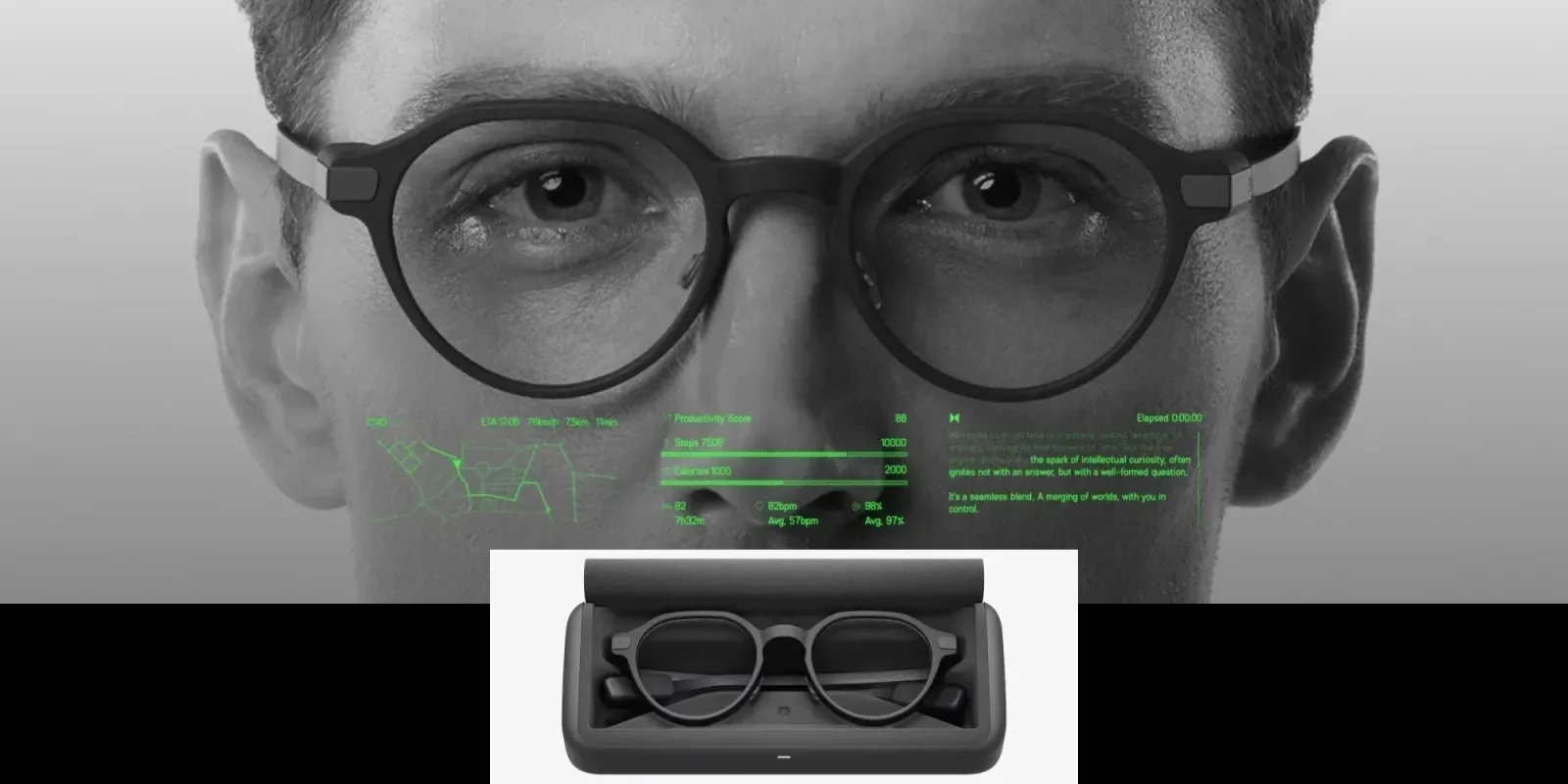
The smart glasses market is currently in a fascinating transitional phase. We are moving past the era of purely audio-based wearables like the Ray-Ban Meta glasses, which have served as a reliable testing ground for social acceptance and basic AI integration. Now, devices like the Even Realities G2 are stepping in to preview the next major leap: augmented reality displays that overlay digital information onto the physical world.
According to recent first impressions, the G2 is not just a prototype but a functional glimpse into what we can expect from more mature products down the line. While Apple has been notably cautious in its entry into this space, the capabilities demonstrated by the G2 help us understand the trajectory of the industry. It suggests that the next generation of wearable tech will prioritize visual context over simple audio assistance.
The distinction between current offerings and this new class of hardware is stark. Previous devices focused on capturing your perspective or playing music. The G2 introduces a display element, which fundamentally changes how users interact with AI. It is no longer just about asking a question; it is about seeing answers, navigation cues, or translation overlays in real time within your field of view.
This shift implies a significant change in user interface design. Developers and hardware makers must now consider how digital content coexists with physical reality without causing cognitive overload. The G2 serves as a practical case study for this challenge. It shows that while the technology is advancing, the integration of visual data remains in its early, somewhat clunky stages.
For the broader tech ecosystem, this signals that the race is not just about processing power but about display miniaturization and battery efficiency. The G2’s existence proves that the hardware barriers are lowering. However, it also highlights that software refinement is the next critical hurdle. Users need interfaces that feel natural, not intrusive.
The cautious approach by major players like Apple makes sense given these complexities. They are likely waiting for the display technology to become more comfortable and socially acceptable. The G2 provides a window into that future, showing both the promise and the current limitations of wearable displays.
What this means for you: As a professional, keep an eye on how spatial computing changes information consumption. The ability to have AI-driven data overlaid on your work environment will soon be standard. Try this workflow: Use a multimodal AI assistant to analyze a document or image in front of you, then ask it to summarize key points or suggest next steps. This mimics the future AR experience where context is instantly available without breaking your focus.
Reporting basis: original story
← back to The Wire