the wire · #gadgets · 2026-07-31
macOS 27 brings three key upgrades to iPhone Mirroring
Cech Tech Reviews
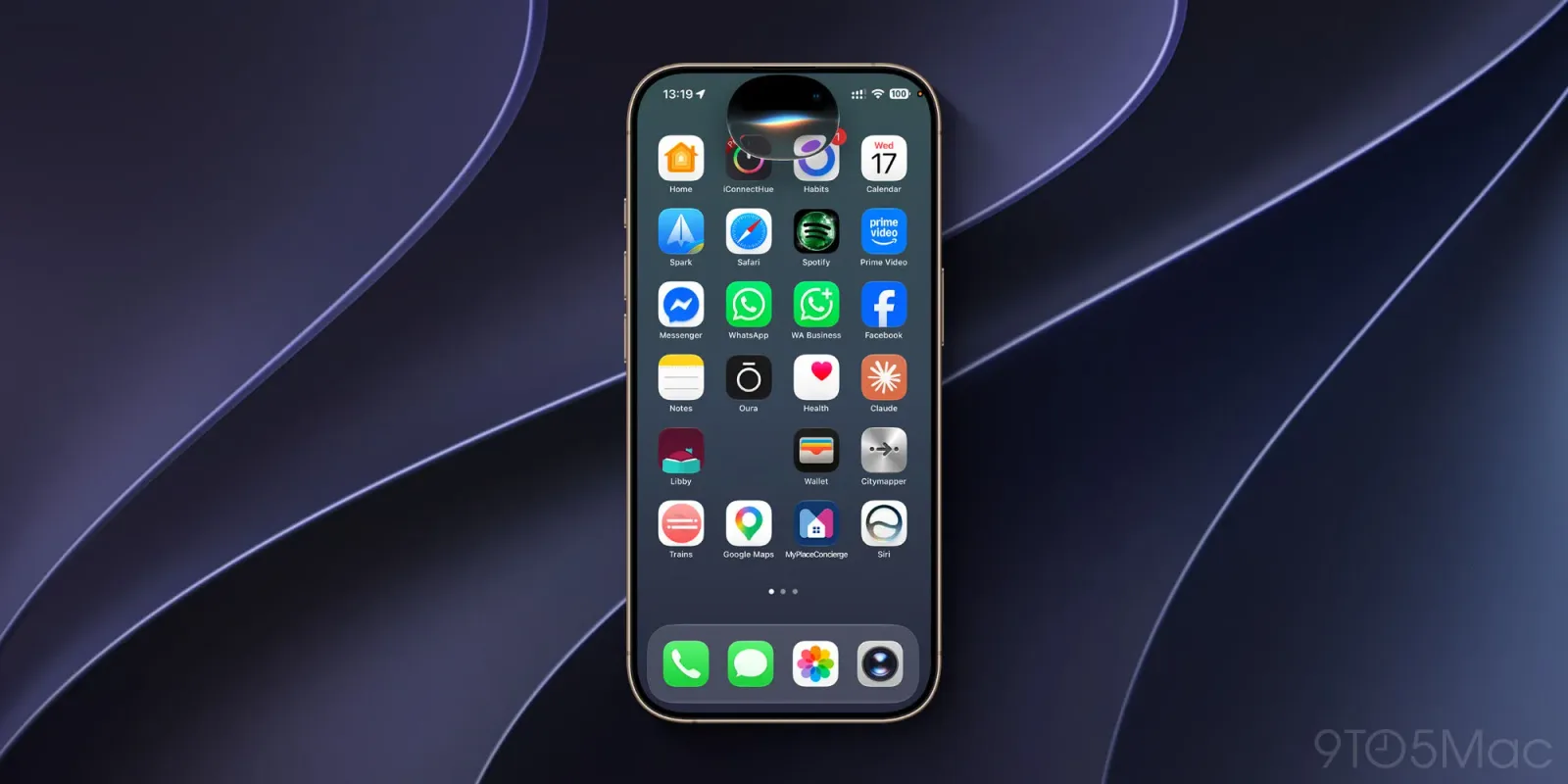
Apple is quietly reshaping how we interact with our devices in the latest public betas for iOS 27 and macOS 27 Golden Gate. According to early reports and beta testing, iPhone Mirroring is receiving three distinct upgrades that go beyond simple screen projection. This is not just a feature update. It is a strategic move toward a more unified computing experience.
The first major change involves improved latency and responsiveness. Users who rely on iPhone Mirroring for quick checks or remote control will notice a smoother interaction. This reduction in lag makes the mirrored interface feel less like a remote desktop and more like a native extension of your Mac. For professionals who switch between devices frequently, this fluidity is critical for maintaining focus.
Secondly, the update appears to enhance security protocols for the mirroring session. Apple has always prioritized privacy, but this iteration seems to add more granular controls over what data is accessible during a mirrored session. This is a smart move given the increasing sensitivity of mobile data. It allows users to mirror their screens for support or demonstration without exposing sensitive notifications or personal information.
The third upgrade focuses on contextual awareness. The system now better understands which apps are active on your iPhone and adjusts the mirrored view accordingly. This means you can switch between a messaging app and a productivity tool without the interface becoming cluttered or unresponsive. It is a subtle change that significantly improves the user experience during complex multitasking scenarios.
From an AI perspective, these changes lay the groundwork for more intelligent device orchestration. As AI models become better at predicting user intent, seamless device handoff will become essential. Apple is building the infrastructure for AI agents to move tasks between your Mac and iPhone without manual intervention. This is a precursor to a fully autonomous workspace.
The implications for developers are also significant. With a more stable and responsive mirroring API, third-party apps can integrate more deeply with the macOS environment. We may soon see apps that run natively on iOS but are controlled and displayed via macOS with near-native performance. This blurs the line between mobile and desktop computing in a way that benefits both consumers and enterprise users.
What this means for you is that your workflow is about to become more integrated. You should start testing these betas to see how the improved latency affects your daily tasks. Try using the mirrored iPhone to control smart home devices or manage communications while working on your Mac. To get the most out of this, use an AI assistant to draft a workflow document that maps out your current cross-device tasks. Then, identify which steps can be streamlined using the new mirroring features. This proactive approach will help you adapt to the changes as they become official.
Reporting basis: original story
← back to The Wire