the wire · #ai · 2026-08-12
Google’s Pixel Watch 5 dives deeper into AI and health
Cech Tech Reviews
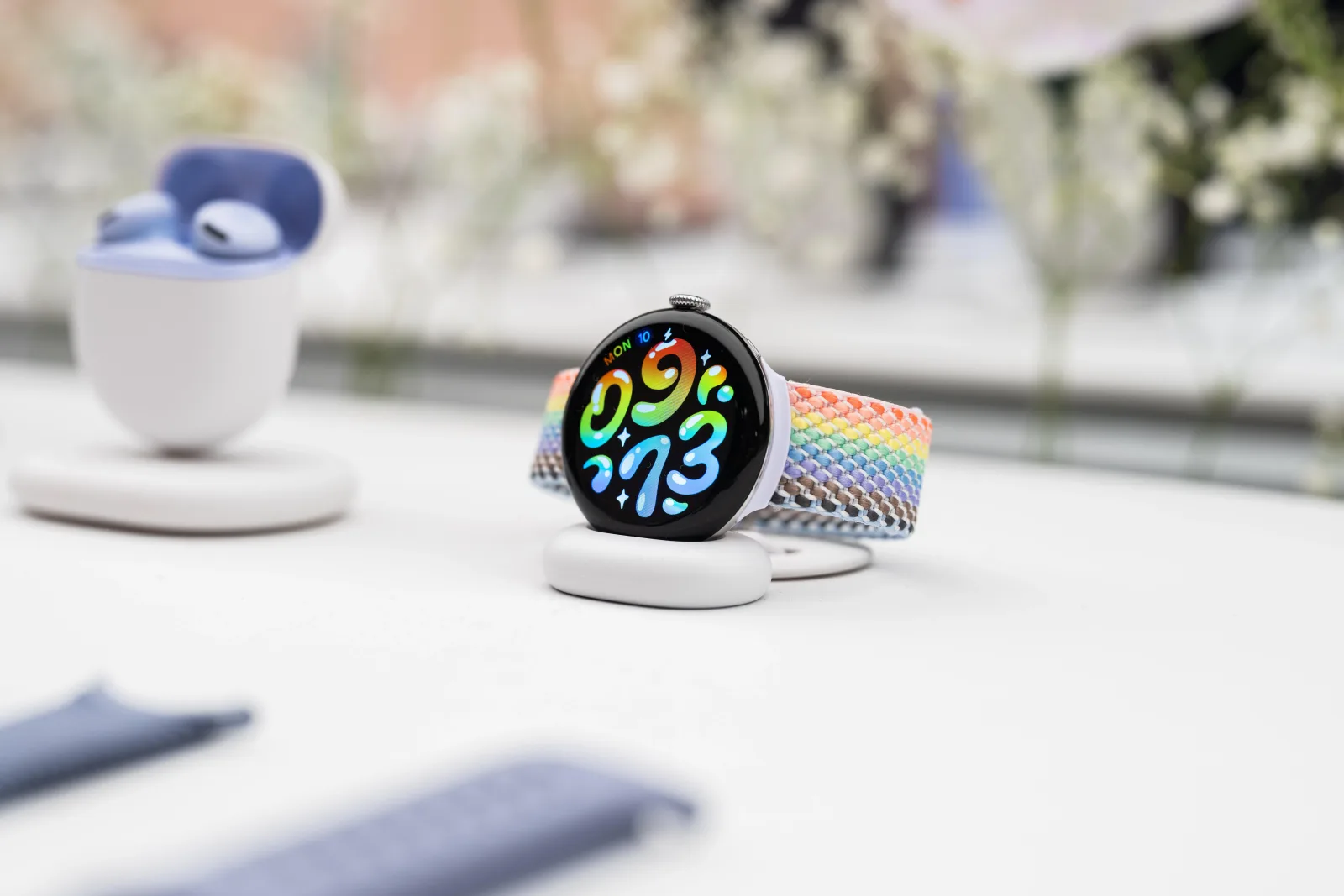
Google is making a bold statement with the Pixel Watch 5. The hardware changes are subtle at best. You get a slightly faster Qualcomm processor and a minor battery bump. There is also a new satin pyrite finish and a Steph Curry Special Edition for those who want to flex. However, the $50 price hike suggests that inflation is hitting even the most dedicated tech enthusiasts.
The real story here is not in the silicon. It is in the software. According to The Verge, the major updates are entirely software-based. This aligns perfectly with Google’s broader strategy seen in their Fitbit Air launch earlier this year. The company is betting that AI will be the primary differentiator in the crowded wearable market. Hardware is becoming a commodity. Intelligence is the new luxury.
This shift has significant implications for the industry. We are moving away from the race for thicker batteries and brighter screens. The focus is now on how well a device can interpret your data. Google is positioning the Pixel Watch as a proactive health companion rather than just a passive tracker. This requires sophisticated on-device AI to process signals in real time. It is a move toward privacy and speed by keeping data local.
For entrepreneurs and developers, this signals a clear trend. The value proposition of wearables is shifting from data collection to data interpretation. Users do not just want to know their heart rate. They want to know what it means for their stress levels or recovery. This creates a massive opportunity for AI models that can provide actionable insights. The hardware is just the sensor array. The AI is the product.
The price increase is a tough pill to swallow. It reflects the rising costs of advanced AI chips and the development of complex machine learning models. Consumers are being asked to pay for intelligence. This raises the barrier to entry for smaller competitors. Only companies with robust AI infrastructure can compete on this level. It is a consolidation play disguised as an innovation cycle.
What this means for you is that you should start thinking about your wearable as an AI agent. It is no longer just a fitness tracker. It is a personal health analyst. To get the most out of this new generation of devices, you need to engage with the AI features actively. Do not just look at the numbers. Ask the device for context.
Try this workflow with your AI assistant to prepare for the new era of wearable data. Copy and paste this prompt to understand how to leverage similar AI logic in your own work. Prompt: Analyze my recent daily activity patterns and suggest three specific adjustments to my schedule that could reduce cognitive load. Frame the advice as if you are a personal wellness AI that prioritizes deep work blocks over fragmented meetings. This mimics the proactive insight model Google is pushing with the Pixel Watch 5.
Reporting basis: original story
← back to The Wire