the wire · #ai · 2026-08-13
Does Google even want to win at AI?
Cech Tech Reviews
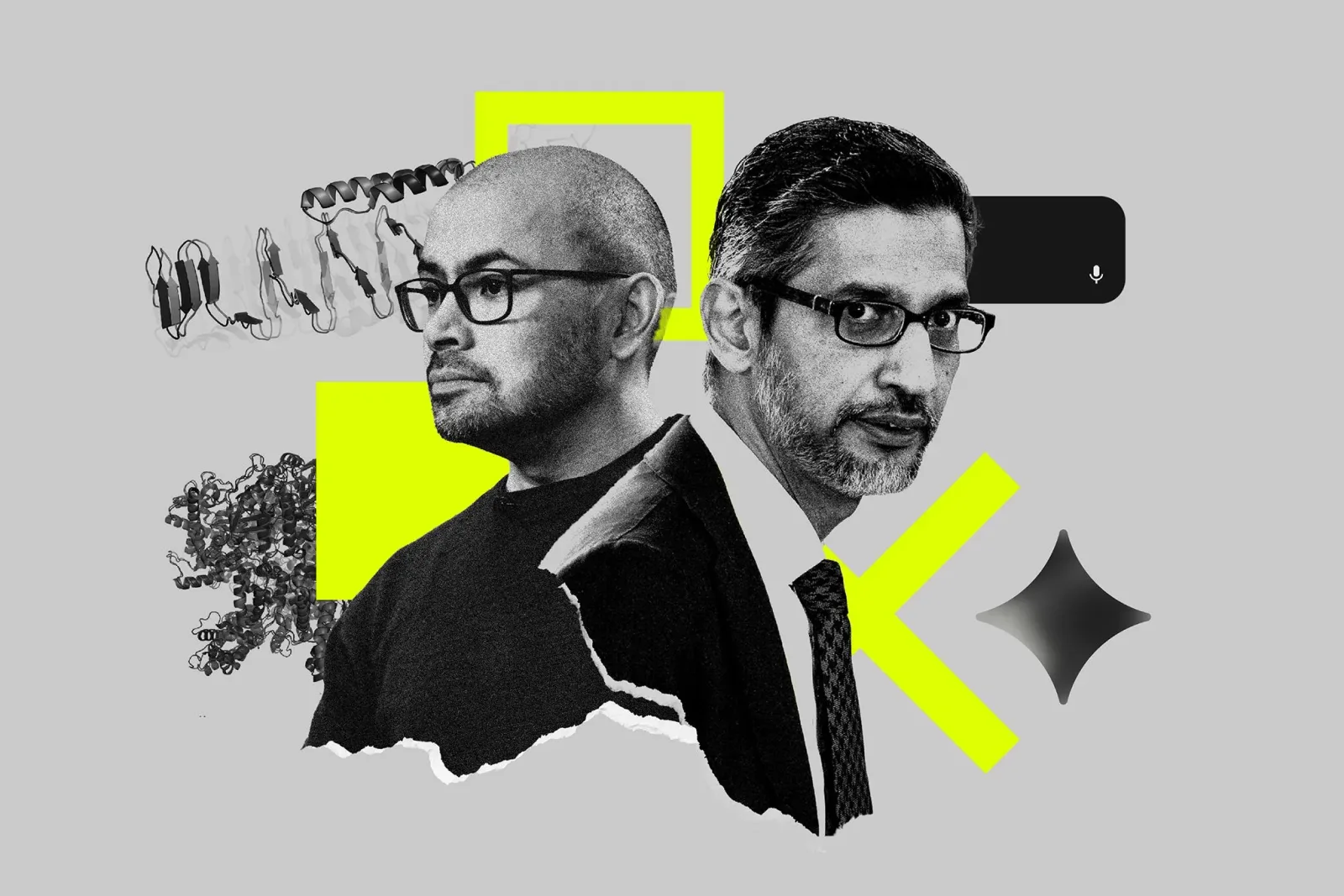
The tech world is buzzing with speculation after Google announced a major restructuring of its AI division, Google DeepMind. According to The Verge’s Hayden Field, this isn't just a routine corporate shuffle. It is a signal that Google is redefining what winning looks like in the current AI landscape. The changes involve Demis Hassabis stepping down as CEO to focus on broader research, while Jeff Dean departs to launch a new startup.
This news has sparked a debate about whether Google is losing the AI race. Many observers point to the company's recent struggles to compete with rivals like OpenAI and Anthropic. The perception is that Google has fallen behind in the most visible aspects of generative AI. However, this view might be missing the bigger picture of Google’s unique position in the market.
Hayden Field argues that Google remains incredibly well-positioned despite these headlines. The company has unparalleled distribution through Search and Android. It also possesses vast amounts of data and integration capabilities that competitors simply do not have. These assets create a massive safety net that allows Google to absorb setbacks without losing its overall dominance.
The departure of Jeff Dean is particularly notable. He is leaving to form a new lab that will run on Google Cloud. This move suggests a shift toward a more decentralized approach to AI development. It also indicates that Google is trying to retain top talent by offering them more autonomy. This strategy could help the company innovate faster without being bogged down by internal bureaucracy.
Demis Hassabis’s move to chairman role reflects a desire to focus on long-term scientific goals. He wants to push the boundaries of what AI can achieve in fields like biology and physics. This is a classic tension in the tech industry between short-term commercial gains and long-term research. Google seems to be betting that foundational breakthroughs will eventually lead to commercial success.
Both CEO Sundar Pichai and Hassabis have acknowledged that Google needs to improve its frontier capabilities. Their statements suggest a recognition that the company is not yet leading in every area. However, they remain confident in their ability to catch up. This confidence is rooted in Google’s historical ability to pivot and dominate new markets.
What this means for you is that the AI landscape is becoming more complex. You should not assume that current market leaders will stay on top forever. Google’s strategy shows that there are multiple paths to success in AI. Some companies focus on immediate product integration while others invest in deep research. Both approaches have merit and can lead to significant advancements.
To stay ahead, try using an AI assistant to analyze industry trends from multiple perspectives. Ask it to compare the strategic moves of different tech giants and identify potential long-term winners. This will help you make more informed decisions about which tools and platforms to adopt for your work.
Reporting basis: original story
← back to The Wire