the wire · #ai · 2026-07-19
I hate that I don’t hate this song made with Suno
Cech Tech Reviews
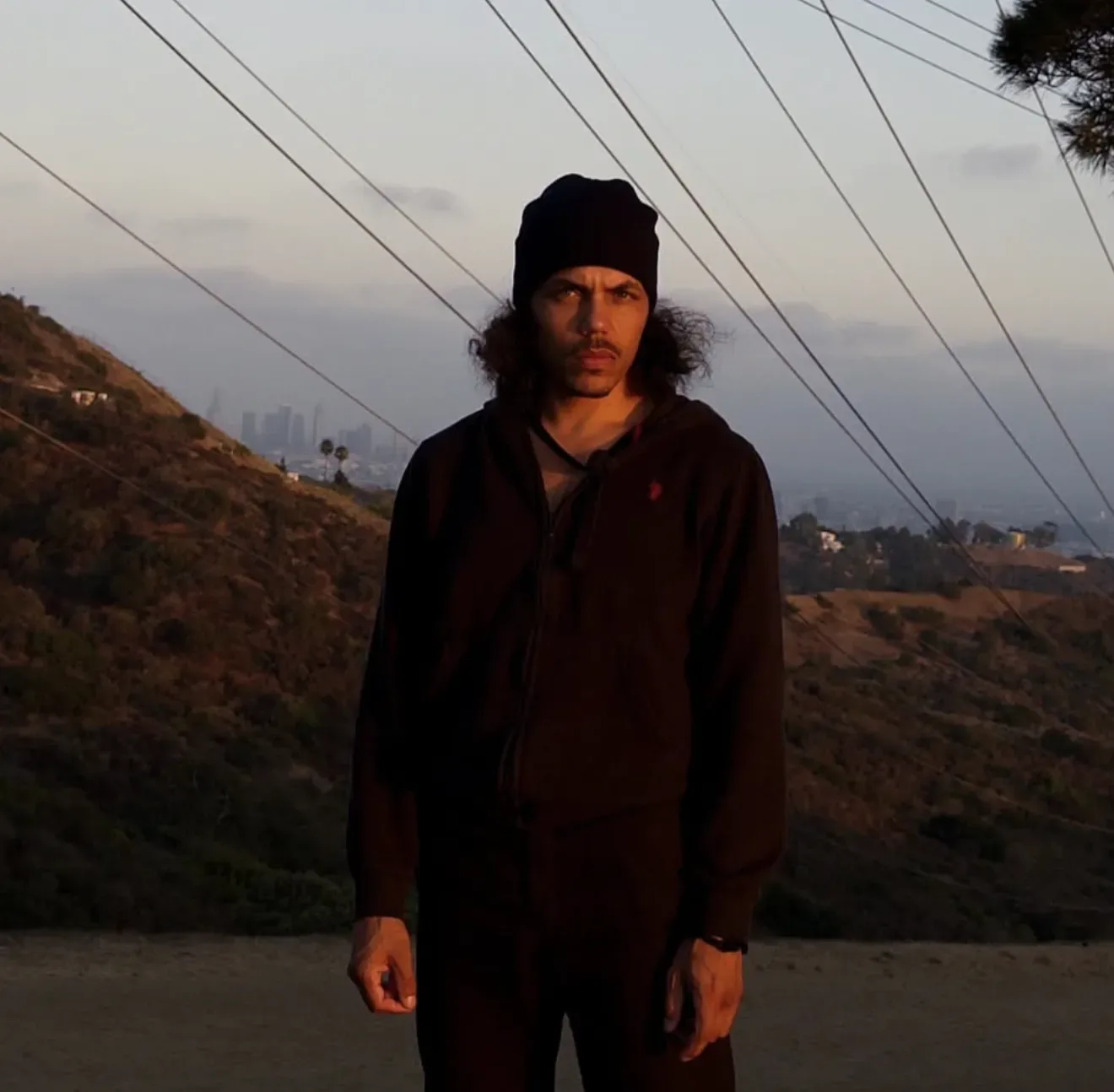
The Verge recently highlighted a compelling contradiction in the current AI music landscape through the work of artist 1010Benja. While many creators and critics remain skeptical of generative tools, Benja is openly embracing Suno AI for his latest EP, Time Has Nothing To Do With What You Choose. This stance challenges the prevailing narrative that AI-generated music is merely a novelty or a lazy shortcut.
I generally share the skepticism that many in the tech community hold toward generative audio. The default outputs from tools like Suno often feel sterile, repetitive, and emotionally hollow. They lack the nuanced imperfections that make human-made music resonate with listeners on a deeper level. This is why I was initially surprised to read that Benja’s track Semiramis Dream actually works.
The article notes that while the other tracks on the EP might not match the quality of his previous human-centric work, the opener stands out. It features a driving jungle beat and a catchy melody that manages to bypass the usual AI-generated blandness. This suggests that the tool itself is not the limiting factor. The limitation lies in how the human operator interacts with it.
This distinction is critical for anyone building AI workflows. It moves the conversation away from whether AI can make music to how it can augment human creativity. Benja is not letting the AI write the song for him. He is using it as an instrument to explore specific sonic textures that might be difficult to produce manually.
The broader implication here is that the value of AI in creative fields will increasingly depend on curation and iteration. The first output is rarely the final product. The real skill is in prompting, refining, and editing until the AI output aligns with a specific artistic vision. This mirrors the evolution of image generation tools in the design industry.
We are seeing a similar pattern in music production. The barrier to entry is lowering, but the barrier to excellence is rising. Artists who treat AI as a collaborative partner rather than a replacement will likely find the most success. Those who simply hit generate and upload the result will continue to produce forgettable content.
What this means for you is that you should experiment with AI tools not as a replacement for your skills but as an accelerator for your ideas. Try using a generative audio tool to create a base track or a specific sound effect. Then, manually edit and layer it with your own instrumentation to add the human touch that AI currently lacks.
Here is a prompt workflow you can try with an AI music assistant. Ask it to generate a jungle beat with a specific tempo and mood, such as energetic and nostalgic. Then, manually add a unique vocal sample or melody line that contrasts with the beat. This hybrid approach often yields more distinctive results than relying on the AI for the entire composition.
Reporting basis: original story
← back to The Wire