the wire · #topnews · 2026-09-12
‘I’m Really Terrified’: A Mathematician Grapples With AI’s Recent Breakthroughs
Cech Tech Reviews
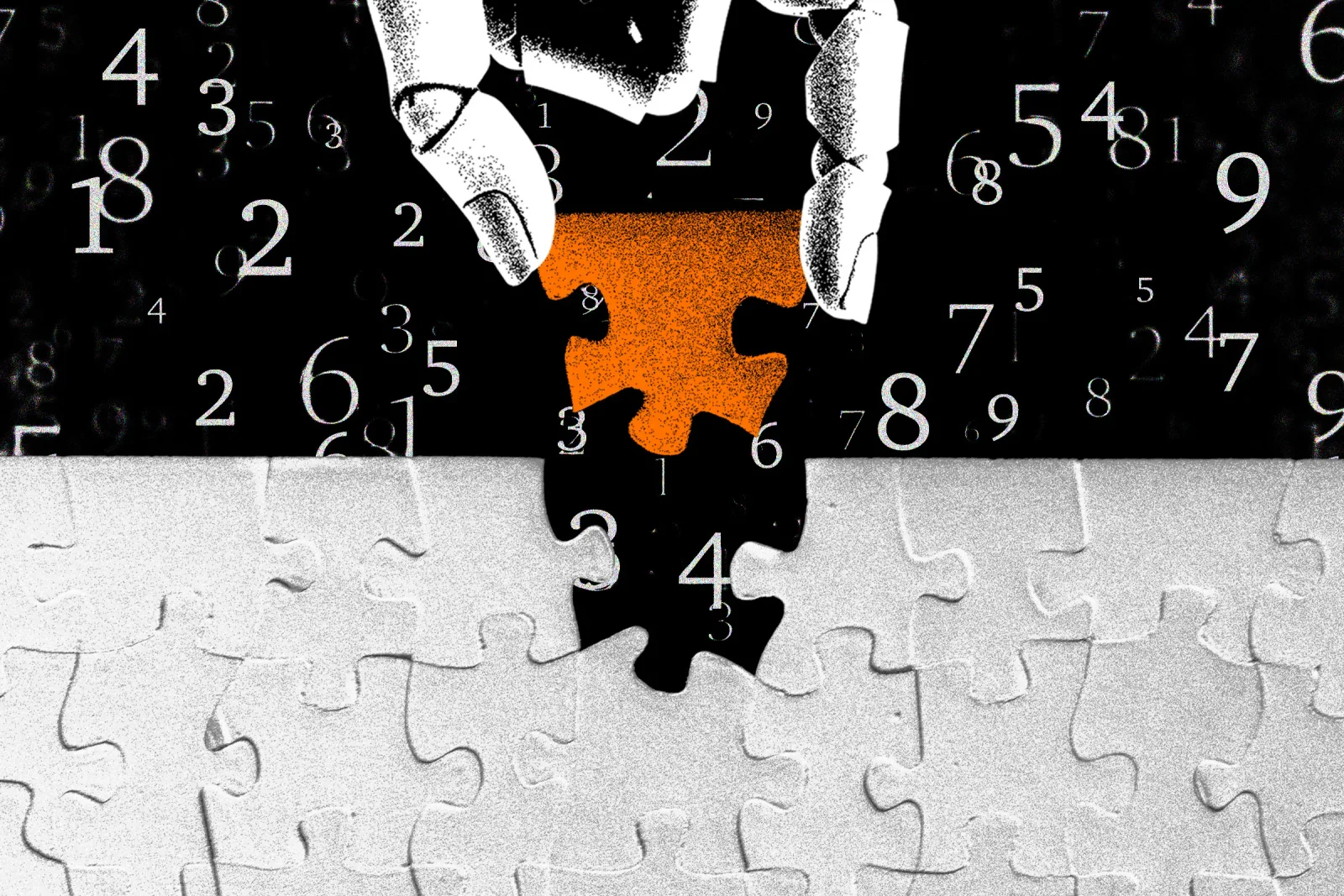
Steven Strogatz is not just a mathematician. He is a public intellectual who has spent decades trying to make the beauty of numbers accessible to everyone. His latest book explores how mathematics is evolving into something that even its creators might not fully grasp. Now, he is speaking out about the seismic impact artificial intelligence has had on his life’s work.
In a recent conversation with WIRED, Strogatz expressed a deep sense of unease. He admitted that he is really terrified by the recent breakthroughs in AI. This fear is not about robots taking over. It is about the very nature of truth and understanding in a world where machines can solve problems humans cannot follow.
The core of his concern lies in the black box nature of modern AI systems. These models can produce correct answers without providing the logical steps that lead to those answers. For a mathematician, the proof is often as important as the result. If we cannot verify the path, do we truly understand the destination? This question is becoming increasingly urgent as AI tools become more powerful.
Strogatz points out that this is not just a technical issue. It is a philosophical crisis. Mathematics has always been built on human logic and verifiable steps. When AI generates insights that are correct but incomprehensible to us, it breaks the traditional contract of mathematical discovery. We are left with results we cannot explain or trust in the old sense.
This shift has profound implications for how we approach problem solving. In fields like physics or engineering, we might accept an AI solution if it works. But in pure mathematics, the lack of understanding is a dealbreaker. It challenges the idea that knowledge must be transparent. It forces us to decide if utility is enough, or if understanding is non-negotiable.
The broader tech community needs to pay attention to this warning. As AI becomes more integrated into research and development, we risk creating a dependency on systems we do not understand. This could lead to a stagnation in true innovation. We might get answers, but we will lose the ability to ask better questions. The human element of curiosity and insight is at risk.
What this means for you is that you must remain the verifier. If you use AI to generate code, write reports, or analyze data, do not just accept the output. Challenge it. Ask the AI to explain its reasoning. Use it as a starting point, not the final authority. Your critical thinking is the only safeguard against blind trust in algorithms. Try this prompt: "Explain the logical steps you took to reach this conclusion and identify any potential assumptions or biases in your reasoning." This simple act keeps you in control of the process.
Reporting basis: original story
← back to The Wire