the wire · #topnews · 2026-08-19
Google Pixel 11 series review: Is the magic fading?
Cech Tech Reviews
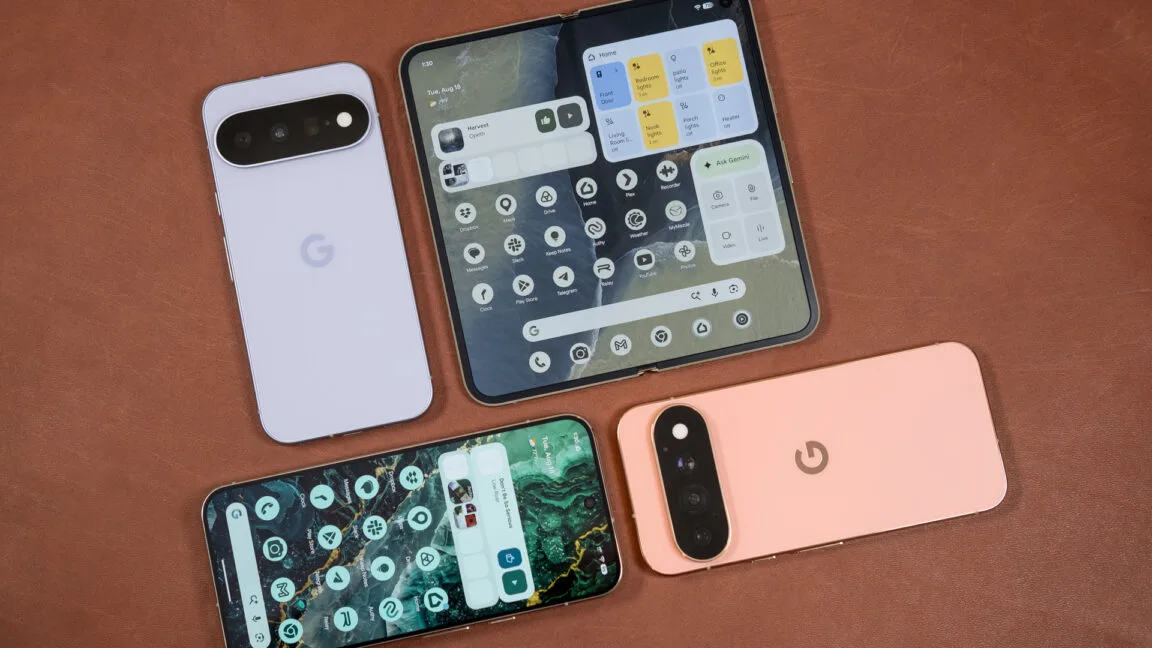
Google’s journey from the enthusiast-focused Nexus days to the polished Pixel lineup has been a fascinating evolution. The company has successfully carved out a niche with high sales and a loyal user base. However, the release of the Pixel 11 series suggests a troubling trend of stagnation. According to recent reporting, the new devices are technically impressive but creatively exhausted. This shift marks a departure from the disruptive energy that once defined the brand.
The hardware changes in the 2026 lineup are barely perceptible to the average user. Google has shaved off fractions of a millimeter and dropped a few grams from the weight. The design language remains identical to the Pixel 10 series, which launched just a year ago. This consistency might appeal to those who prefer familiarity, but it fails to excite tech enthusiasts looking for the next big leap. The aluminum and glass sandwich design is still sleek, but it feels like a relic of the past.
What is more concerning is the regression in key areas. Despite the premium pricing, some features have actually worsened compared to previous generations. This is a risky move for a company that prides itself on software-hardware integration. Consumers are becoming increasingly savvy about value propositions. They expect more than just incremental updates for higher prices. The Pixel 11 series risks alienating users who feel they are paying for the same product twice.
The competition landscape has also shifted dramatically. Google is no longer just fighting Apple and Samsung. It is also competing against its own previous models. Users who upgraded to the Pixel 10 last year have little incentive to switch now. This internal cannibalization is a sign of a mature but stagnant product cycle. The market is saturated, and differentiation is becoming harder to achieve. Google needs to find new ways to stand out beyond minor aesthetic tweaks.
The software experience remains a strong point for the Pixel lineup. The integration of AI features continues to be a standout feature. However, hardware stagnation undermines the overall value proposition. A great phone needs both powerful software and innovative hardware to justify its cost. The Pixel 11 series delivers on the former but falls short on the latter. This imbalance could lead to a decline in sales over time.
The foldable option in the lineup offers a slight reprieve from the monotony. It provides a different form factor that appeals to early adopters. However, the core flat phones remain unchanged. This suggests that Google is playing it safe with its main revenue drivers. The risk of falling behind in the foldable market is real. Competitors are moving faster in this space. Google needs to accelerate its innovation in this area to stay relevant.
What this means for you: If you are considering upgrading to the Pixel 11, ask yourself if the minor hardware changes justify the cost. If you are already on a Pixel 9 or 10, the upgrade may not be worth it. Instead, focus on leveraging the existing AI features in your current device. Try using an AI assistant to automate your daily workflows, such as summarizing emails or scheduling meetings. This approach maximizes the value of your current hardware without needing a new phone. Prompt idea: Ask your AI assistant to analyze your recent calendar and suggest three time-blocking strategies to improve your productivity this week.
Reporting basis: original story
← back to The Wire