the wire · #topnews · 2026-08-26
Xtracycle's Swoop ASM e-bike brings an automatic transmission to cargo bikes
Cech Tech Reviews
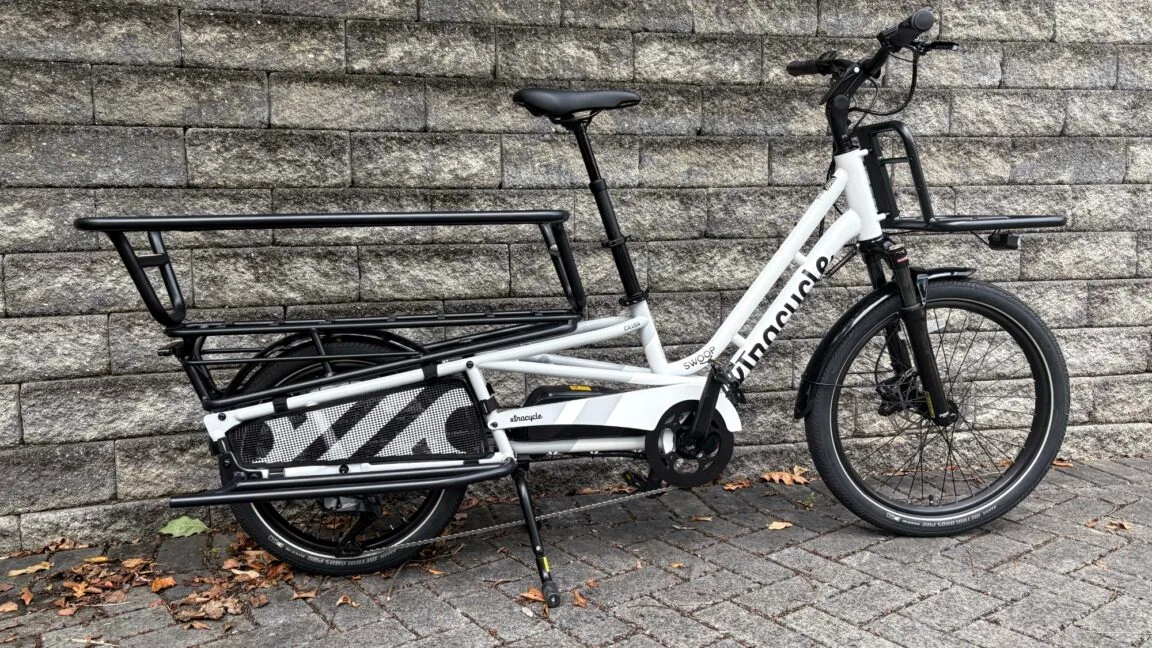
The concept of an automatic transmission on a bicycle might sound like a gimmick, but Xtracycle is putting it to work with their new Swoop ASM cargo bike. According to recent reporting, this $4,500 vehicle utilizes Shimano's automated shifting technology to manage gear changes without any manual intervention from the rider. It is a bold move for a niche market that has traditionally relied on mechanical simplicity and rider skill.
I have spent the last few weeks testing this system to see if handing over control of your gears to an electronic brain is actually beneficial. The premise is straightforward. The bike monitors your cadence, torque output, and speed to determine the optimal gear for any given situation. It then executes the shift automatically, aiming to keep you in the most efficient power band at all times.
This technology addresses a common pain point for many e-bike users. I recall reviewing the Velotric Discover M earlier this year and finding its gear alerts intrusive. The display would frequently block my view with notifications telling me to shift. While the underlying logic was sound, the execution was annoying. Automatic shifting removes the cognitive load of deciding when to change gears entirely.
The implications for cargo bikes are particularly interesting. These vehicles are often used for heavy loads or transporting children, where the rider's attention is divided. Having a system that optimizes power delivery without requiring manual input could make these bikes safer and easier to handle in complex urban environments. It reduces the chance of stalling or losing momentum when starting from a stop with a heavy load.
However, the success of this technology hinges on trust. Riders need to believe that the algorithm knows better than they do. There is a learning curve involved in letting go of manual control. If the system shifts too aggressively or misses a cue, it can feel jarring. The integration must be seamless for the rider to truly benefit from the automation.
This development is part of a broader trend toward autonomous features in personal mobility. As sensors become cheaper and algorithms more sophisticated, we are seeing more vehicles take over tasks previously reserved for human operators. The Swoop ASM is an early example of how this technology can be applied to non-motorized transport, bridging the gap between traditional cycling and electric assistance.
For entrepreneurs and developers in the mobility space, this is a clear signal that user experience is evolving beyond just battery life and motor power. The next competitive frontier is intelligence. Companies that can integrate smart systems that anticipate rider needs will likely gain a significant advantage in the market. It is not just about moving faster. It is about moving smarter.
What this means for you: If you are building or using AI-driven mobility tools, focus on transparency. Users need to understand why a system made a specific decision. You can try this workflow with an AI assistant to simulate rider scenarios. Ask the AI to analyze a list of riding conditions such as steep hills, headwinds, and heavy loads. Then request a set of rules for an automatic shifting algorithm that prioritizes efficiency over speed. This helps you design systems that feel intuitive rather than intrusive.
Reporting basis: original story
← back to The Wire