the wire · #topnews · 2026-07-23
I wanted a clock that never needed setting. Things escalated.
Cech Tech Reviews
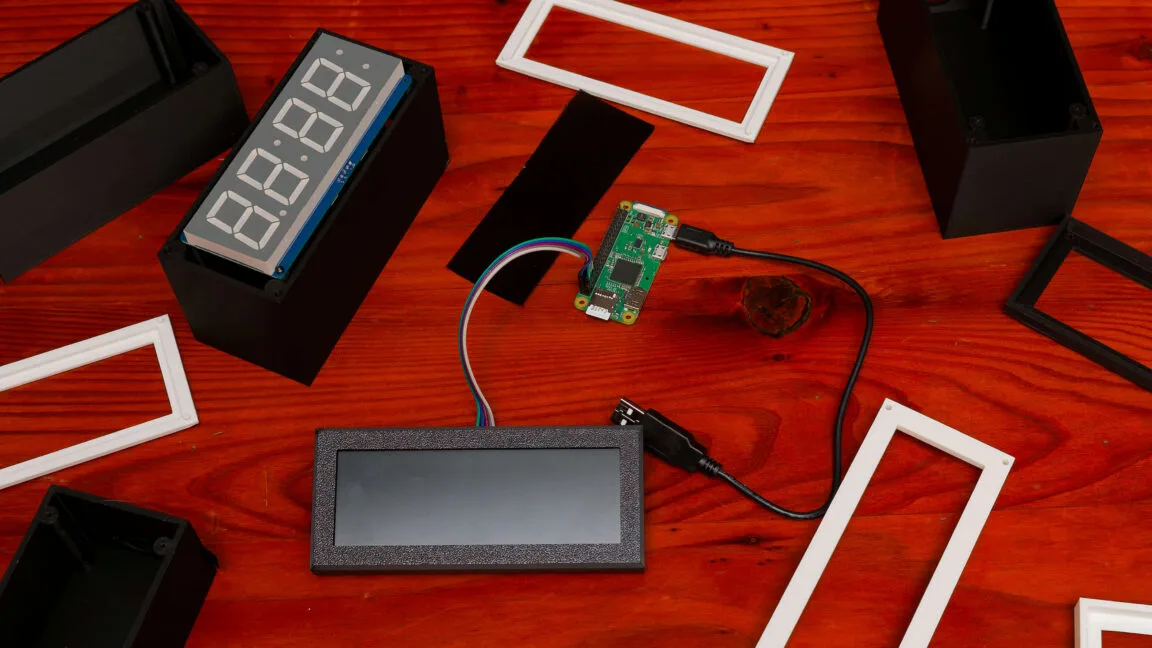
The frustration of manually adjusting clocks for Daylight Saving Time is a universal annoyance, but it highlights a significant gap in the consumer technology market. As reported in a recent personal account, the desire for a simple, self-setting red seven-segment LED clock has remained unfulfilled despite being a quarter of the way through the twenty-first century. This isn't just about laziness. It is about the disconnect between what we expect from smart devices and what the market actually delivers.
The core issue here is the overcomplication of basic utilities. Most modern solutions require installing privacy-invasive apps or connecting to the cloud just to keep time accurate. This creates a friction point that drives users back to cheap, dumb hardware from big box stores. The author notes that while these devices are long-lived, they fail at the most basic function of maintaining accuracy after power flickers or time changes. This suggests that the market has prioritized connectivity over reliability.
From an AI and IoT perspective, this is a missed opportunity for edge computing. A device that maintains precise time without constant cloud synchronization would be a masterclass in efficient design. It would leverage local oscillators and minimal, periodic syncs to correct drift. This approach respects user privacy by keeping data local while ensuring the device remains accurate. It is a stark contrast to the current trend of requiring constant internet access for basic functionality.
The preference for red seven-segment displays over modern white or blue LEDs is also telling. It points to a desire for aesthetic consistency and reduced sleep disruption. Many smart displays are too bright or visually distracting for bedside use. A dedicated, simple device that fits into a specific visual niche could carve out a loyal user base. This is a reminder that form factor and user experience are just as important as technical specs in consumer electronics.
The mention of pending legislation regarding Daylight Saving Time adds another layer of complexity. A truly smart clock would need to be adaptable to changing laws without requiring a firmware update or user intervention. This requires a level of intelligence and flexibility that most current devices lack. It is not just about knowing the time. It is about knowing the rules that govern how we measure it.
This story serves as a critique of the current state of the Internet of Things. We have built ecosystems that are interconnected but often unintelligent in their simplicity. The ideal device would be autonomous, private, and reliable. It would work out of the box and never need to be touched again. The market is full of devices that do everything but the one thing we actually need. This gap represents a clear opportunity for innovation.
What this means for you: As professionals integrating AI into our workflows, we should look for tools that reduce friction rather than add complexity. The best AI assistants are those that work seamlessly in the background without demanding constant attention or compromising privacy. Try using an AI agent to automate routine calendar adjustments for time changes. You can prompt your assistant to check for local DST rules and update your schedule automatically, mimicking the ideal clock behavior we all wish we had.
Here is a prompt you can try with your AI assistant to manage time-related tasks more efficiently. Ask it to create a recurring monthly task that checks for any upcoming time changes in your region and suggests a quick review of your calendar. This small automation can save you the mental load of remembering to adjust your schedule manually. It is a practical application of AI that respects your time and attention.
Reporting basis: original story
← back to The Wire