the wire · #topnews · 2026-07-23
‘The Child Is Terrified’: Measles Doctors Speak Out
Cech Tech Reviews
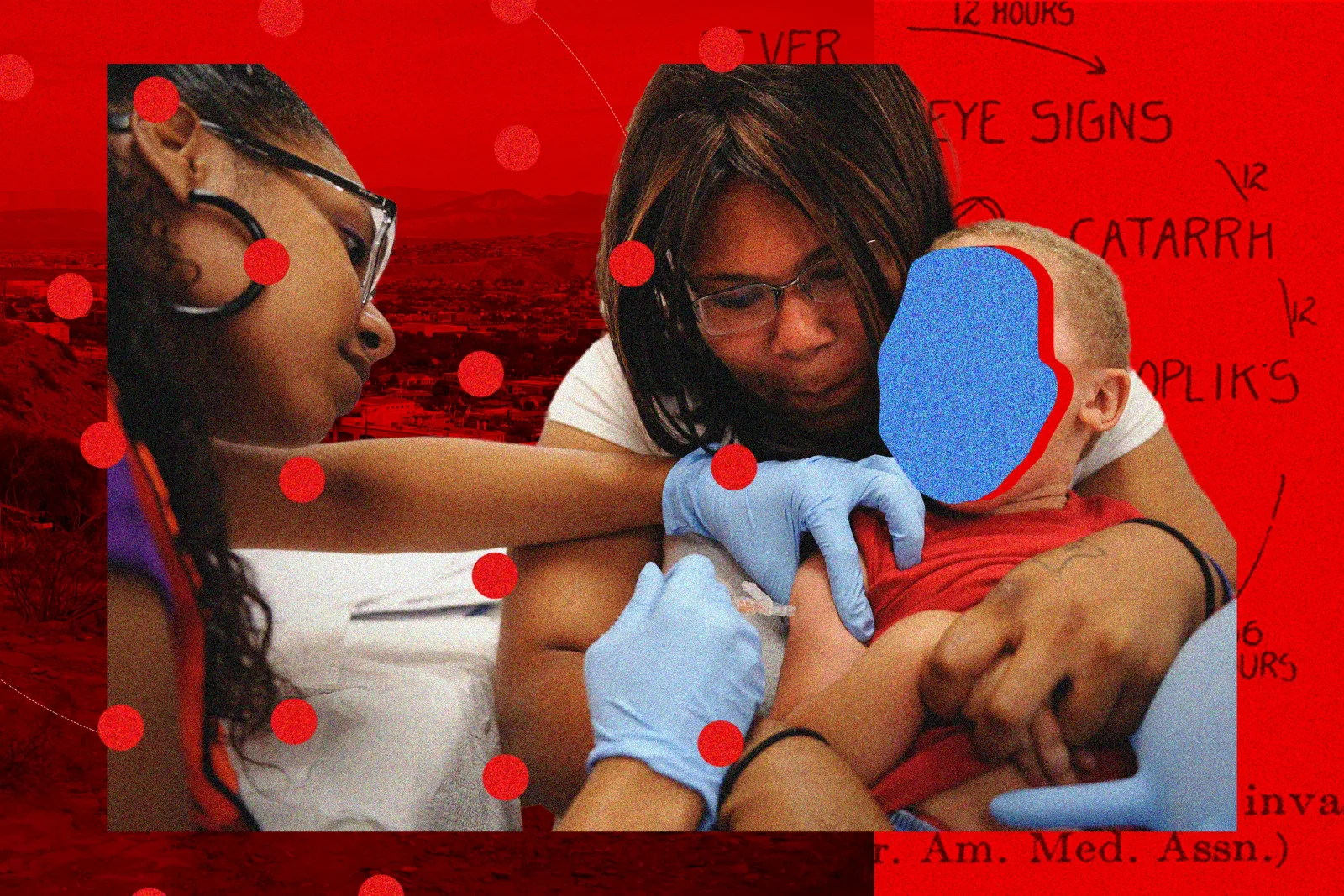
The narrative around measles is shifting from a manageable childhood illness to a serious public health emergency. According to reporting by The New York Times, six pediatricians in Utah are speaking out about the terrifying reality of treating measles patients. The United States is currently facing infection levels not seen in over thirty years. This surge threatens to strip the country of its status as a nation that eliminated the disease.
The emotional toll on medical professionals is becoming impossible to ignore. Doctors describe young patients who are visibly terrified by their symptoms and the isolation required for treatment. These accounts provide a human face to the statistical rise in cases. It is no longer just about abstract numbers but about real children suffering from a preventable disease.
This situation serves as a stark reminder of how quickly public health gains can erode. Herd immunity relies on high vaccination rates across communities. When those rates drop, even slightly, the virus finds new pathways to spread. The current outbreak in Utah is a direct result of these gaps in coverage.
The broader implication extends beyond just public health statistics. It reflects a growing disconnect between scientific consensus and public perception. Misinformation continues to circulate, undermining trust in established medical protocols. This erosion of trust makes containment efforts significantly more difficult for health officials.
From an AI and technology perspective, this crisis offers a critical lesson in data interpretation. We often rely on algorithms to predict trends, but human behavior remains the most volatile variable. AI models can track case numbers, but they cannot easily quantify the impact of fear or misinformation on vaccination decisions. Bridging this gap requires more than just better data; it requires better communication strategies.
Healthcare providers are now using digital tools to identify at-risk communities more quickly. However, the effectiveness of these tools depends on the willingness of the public to engage with them. If trust in the system is broken, even the most advanced predictive models will fail to protect vulnerable populations. The technology is only as strong as the social fabric supporting it.
What this means for you is that staying informed through credible sources is more important than ever. In an era of information overload, verifying facts before sharing them can help combat the spread of misinformation. You can use an AI assistant to summarize recent public health reports from trusted outlets like the CDC or WHO. Try this prompt: "Summarize the latest measles outbreak data from the CDC, focusing on vaccination rates in affected regions and expert recommendations for prevention."
The return of measles is not just a medical issue but a societal one. It challenges us to rebuild trust in science and community responsibility. As we navigate this resurgence, the lessons learned will shape how we respond to future health crises. The time to act is now, before the next wave hits harder.
Reporting basis: original story
← back to The Wire