the wire · #gadgets · 2026-09-20
iPhone 18 Pro Max still uses a Qualcomm modem in the US, teardown confirms
Cech Tech Reviews
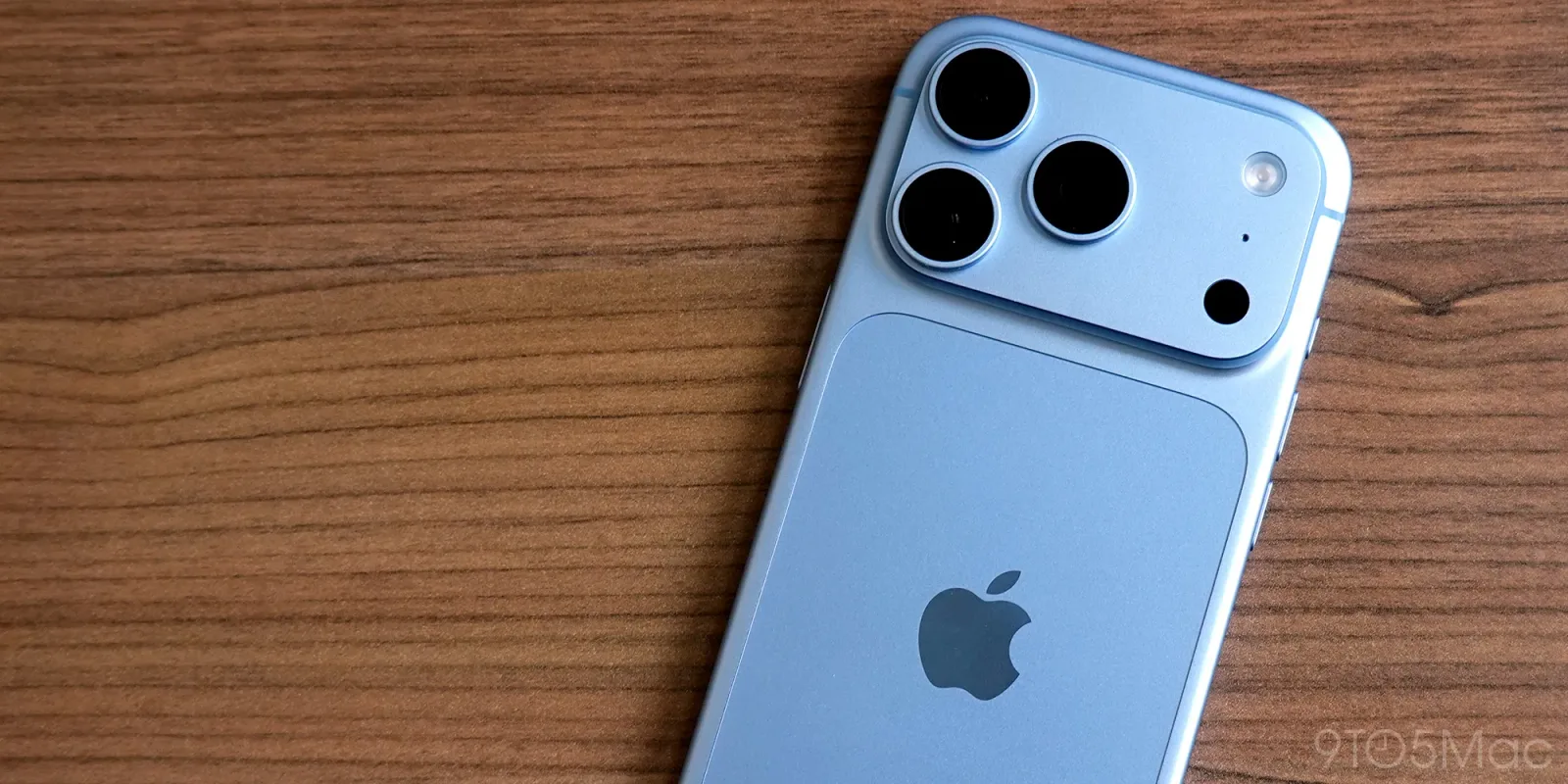
Apple’s long journey toward total independence in silicon has hit a significant speed bump, or perhaps just a very deliberate pause. According to a detailed teardown by TechInsights, the iPhone 18 Pro Max sold in the United States continues to rely on Qualcomm modems. This finding is not entirely surprising, but it serves as a concrete confirmation of where the company stands in its hardware evolution.
The decision to stick with Qualcomm is a strategic masterclass in risk management. While Apple has successfully replaced Intel and Broadcom chips in various components, the cellular modem remains the most complex piece of hardware in a smartphone. It requires deep integration with global carrier networks and constant updates to support new frequency bands. Switching too early could mean losing premium customers who demand flawless connectivity.
This move highlights a broader trend in the tech industry where vertical integration is celebrated but executed with extreme caution. Apple is known for its secrecy, but hardware teardowns like this one reveal the practical constraints of innovation. The company is willing to use third-party components if they offer superior performance or reliability compared to internal alternatives. It is a pragmatic approach that prioritizes user experience over the narrative of total self-sufficiency.
For AI enthusiasts and tech professionals, this hardware reality has interesting implications for edge computing. The modem is no longer just a pipe for data. It is becoming a critical node for low-latency communication that can support real-time AI applications. Qualcomm’s continued dominance in this space means that the foundation for many future AI-driven features on mobile devices is built on their architecture. This could influence how developers optimize models for different hardware configurations.
The reliance on Qualcomm also suggests that Apple’s in-house modem development is still in its infancy. Rumors have circulated for years about an Apple-designed modem, but the iPhone 18 Pro Max teardown indicates that this technology is not yet ready for prime time. The company may be waiting for a more mature technology node or a breakthrough in power efficiency before making the switch. This patience is likely to pay off in the long run, but it requires accepting short-term dependencies.
From a supply chain perspective, this confirms that Qualcomm remains an indispensable partner for Apple. The relationship is symbiotic, with Qualcomm benefiting from Apple’s massive volume and Apple benefiting from Qualcomm’s extensive patent portfolio and engineering expertise. Disrupting this partnership would be costly and risky for both parties. It is a stable arrangement that allows both companies to focus on their respective strengths.
What this means for you is that the hardware foundation of your AI tools is more complex than it appears. When you use voice assistants or real-time translation features, you are relying on a sophisticated interplay between Apple’s processors and Qualcomm’s modems. To get the most out of your devices, consider optimizing your network settings for low latency. Try using this prompt with your AI assistant to understand how network conditions affect your local model performance: "Explain how high latency in cellular connections impacts the accuracy of real-time speech-to-text AI models and suggest three workflow adjustments to mitigate delays during mobile use."
Reporting basis: original story
← back to The Wire


![Best iPhone 18 Pro cases now available for purchase [Updated]](https://aideaflow.com/api/img/news/8baf227a911059d3.webp)