the wire · #gadgets · 2026-09-20
The pros and cons of using wired vs. wireless Xbox controllers
Cech Tech Reviews
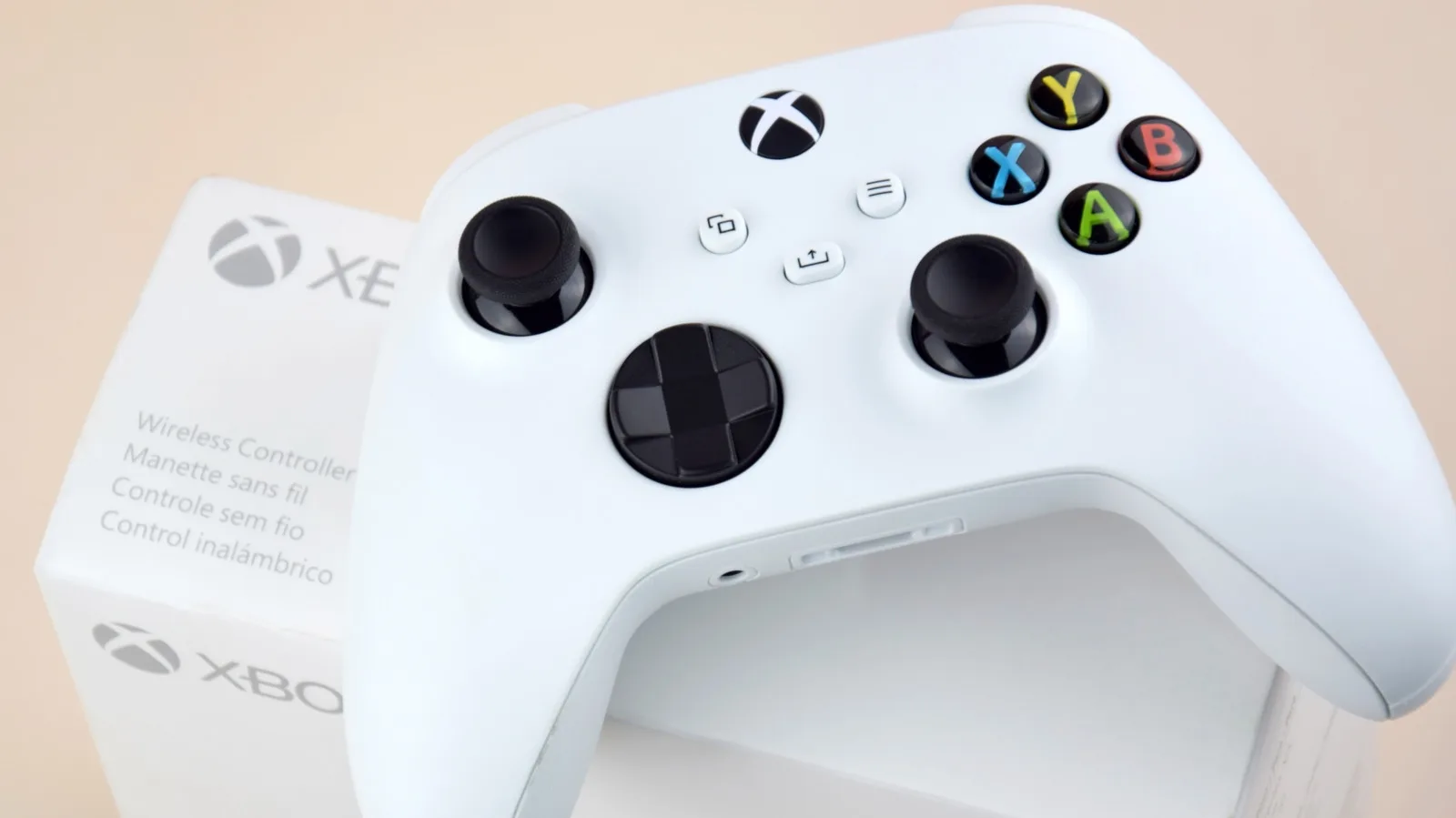
The conversation around Xbox controllers has shifted dramatically in recent years. We are no longer just talking about battery life versus cable clutter. According to recent hardware analyses, the decision now involves deeper considerations about latency, durability, and even the future of AI-integrated gaming peripherals.
Wireless freedom is undeniably the primary selling point for most users. The ability to sit back on a couch or move around a room without being tethered to a console or PC enhances immersion. However, this convenience comes with a tangible cost. You must constantly manage charging cycles and worry about dead batteries during critical moments.
Wired connections offer a different kind of reliability. There is no lag spike from signal interference. The controller never runs out of power as long as it is plugged in. This makes it a favorite for competitive gamers who prioritize consistency over comfort. The cable can be a tripping hazard, but it eliminates the anxiety of a sudden shutdown.
The real story here is how these choices intersect with broader tech trends. As gaming hardware becomes more sophisticated, the data transmission methods are changing. Wireless protocols are improving, but wired connections still provide a stable baseline for high-frequency data exchange. This stability is crucial for any peripheral that might eventually integrate with AI-driven performance analytics.
From an AI perspective, the controller is becoming a data collection point. Wireless controllers transmit telemetry data that can be used to optimize gameplay or train adaptive difficulty systems. Wired controllers provide a cleaner signal for this data, potentially leading to more accurate AI models. This is a subtle but significant shift in how we view input devices.
Entrepreneurs and developers should note that the hardware choice affects user experience metrics. Wireless latency, even if minimal, can be a factor in user satisfaction scores. Wired setups reduce variables, making them ideal for testing environments where precise input is required. This distinction matters for anyone building tools that rely on consistent user interaction data.
What this means for you: If you are using AI tools to analyze gaming performance or build related applications, consider the data integrity of your input devices. A wired connection might offer cleaner data for training models. Try this workflow: Use a wired controller for recording baseline gameplay data to ensure no wireless interference skews your metrics, then switch to wireless for general testing to compare user comfort versus data consistency.
Reporting basis: original story
← back to The Wire


![Our top iPhone 18 Pro accessories to upgrade your setup [Updated]](https://aideaflow.com/api/img/news/56bf9da57c36c03f.webp)