the wire · #ai · 2026-08-02
Is paying artists enough to convince them to embrace AI?
Cech Tech Reviews
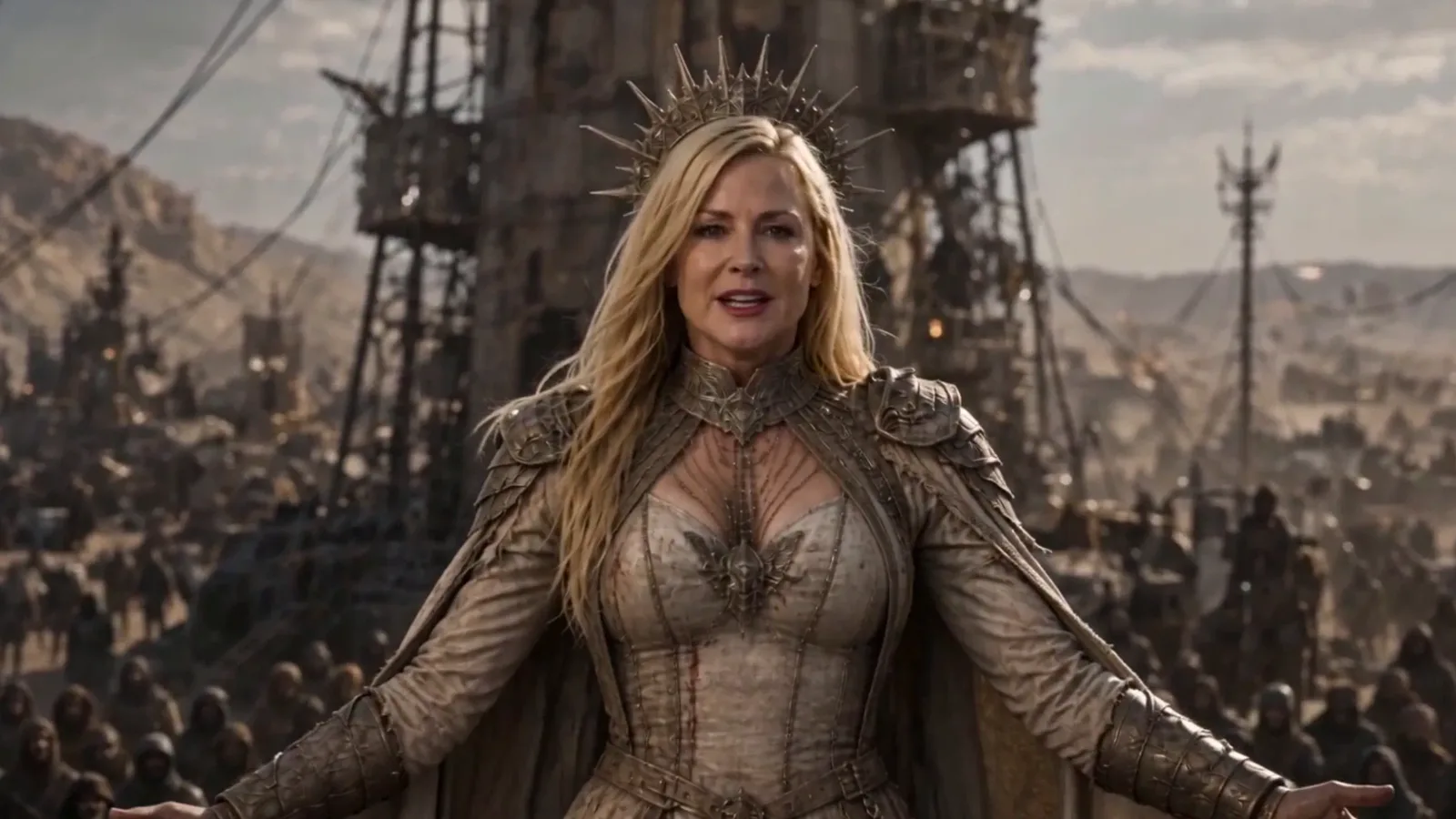
A new text-to-video AI startup called Pippa is trying something novel in the generative AI space: actually paying artists for their work. According to The Verge, the company is positioning itself as the ethical alternative in a market where most competitors have built their models by scraping artwork without permission or compensation.
This feels like too little, too late for many illustrators who have spent years fighting back against AI companies that treated their portfolios as free training data. The damage is already done. Models from Midjourney, Stable Diffusion, and others were trained on millions of images scraped from the open web, and those companies are now worth billions. Offering to pay artists now, after the technology has already been built on unpermissioned work, is a bit like asking forgiveness after you've already sold the stolen goods.
Pippa's pitch is that creators will feel better about AI-generated video if the training process is transparent and compensated. That might work for some. But for the illustrators who watched their distinctive styles get absorbed into models and resold as a commodity, a licensing fee probably won't heal the wound. The core tension remains: generative AI is fundamentally a tool that learns to replicate and remix existing work, and many artists see that as existentially threatening to their livelihood, no matter who gets paid.
The legal battles around AI training data are still unfolding, and the outcome will shape whether the Pippa model becomes the industry standard or a niche offering. If courts rule that training on copyrighted work without permission is fair use, the incentive to pay artists disappears. If they don't, every AI company will need to either license data or face lawsuits. Right now, we're in a weird middle ground where some startups are trying to build goodwill while others are betting they can outlast the legal challenges.
What this means for you: if you're using AI video tools in your work, it's worth understanding where the training data came from. Tools built on licensed datasets may cost more, but they come with fewer legal risks if you're using the output commercially. If you're experimenting with AI-generated video for a project, try this prompt with a text-to-video tool: "Create a 5-second product demo video showing [your product] in a clean, modern office environment with natural lighting." Then compare the style and quality across different platforms to see which models fit your brand and comfort level with how they were trained.
Reporting basis: original story
← back to The Wire