the wire · #global · 2026-09-02
Justice Dept. Sides With OpenAI in New York Times Copyright Suit
Cech Tech Reviews
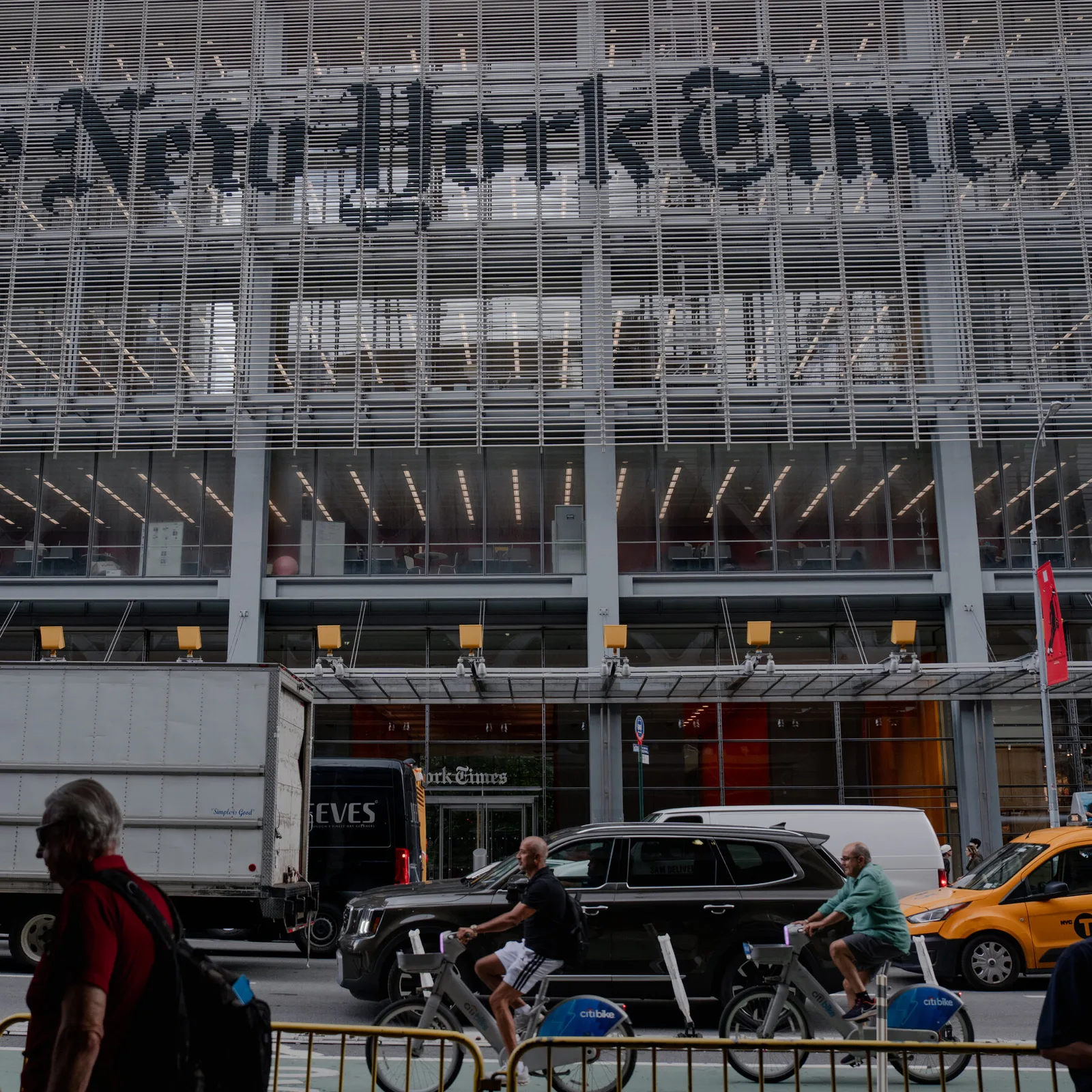
The US Department of Justice has officially thrown its weight behind OpenAI in the ongoing copyright lawsuit with The New York Times. According to a recent court filing, the government argues that OpenAI’s use of news articles to train its artificial intelligence models constitutes fair use. This is a significant development that moves the debate from purely legal technicalities to broader national interests.
The core of the Justice Department's argument rests on the idea that American technological dominance is a matter of national security. They suggest that restricting access to vast amounts of data could hinder the development of critical AI capabilities. This framing positions the AI race not just as a commercial competition but as a strategic imperative for the United States.
This stance marks a clear departure from traditional copyright enforcement. Historically, using copyrighted material without permission is a straightforward violation. However, the government is now suggesting that the unique nature of AI training requires a different legal lens. They believe that limiting data access could put American companies at a disadvantage against foreign competitors.
The implications for the media industry are profound. If the government successfully argues that training data is exempt from traditional copyright rules, news organizations may lose a key lever in negotiating with tech giants. This could fundamentally alter the economic model for journalism and content creation in the digital age.
For AI developers, this ruling provides a sense of legal clarity and protection. It suggests that the path to building more sophisticated models will remain open, even if it involves scraping large volumes of existing content. This could accelerate innovation but also raises questions about attribution and compensation for original creators.
The broader trend here is the increasing intersection of technology policy and geopolitical strategy. Governments are no longer just regulating markets; they are actively shaping the technological landscape to ensure their nations remain competitive. This case will likely set a precedent for how other countries approach AI regulation and copyright law.
What this means for you: If you work with AI tools, expect fewer restrictions on the data they can access. This could lead to more powerful models but also more generic outputs. Try using an AI assistant to summarize complex legal texts like this one to stay ahead of regulatory changes. Prompt: "Summarize the key legal arguments in the OpenAI vs NYT case and list three potential impacts on small businesses using AI tools."
Reporting basis: original story
← back to The Wire




![Dropbox breach seemingly caused by egregious authentication failure [U]](https://aideaflow.com/api/img/news/241700ffa8bc5cb2.webp)