the wire · #ai · 2026-09-02
Apple accuses OpenAI of destroying evidence
Cech Tech Reviews
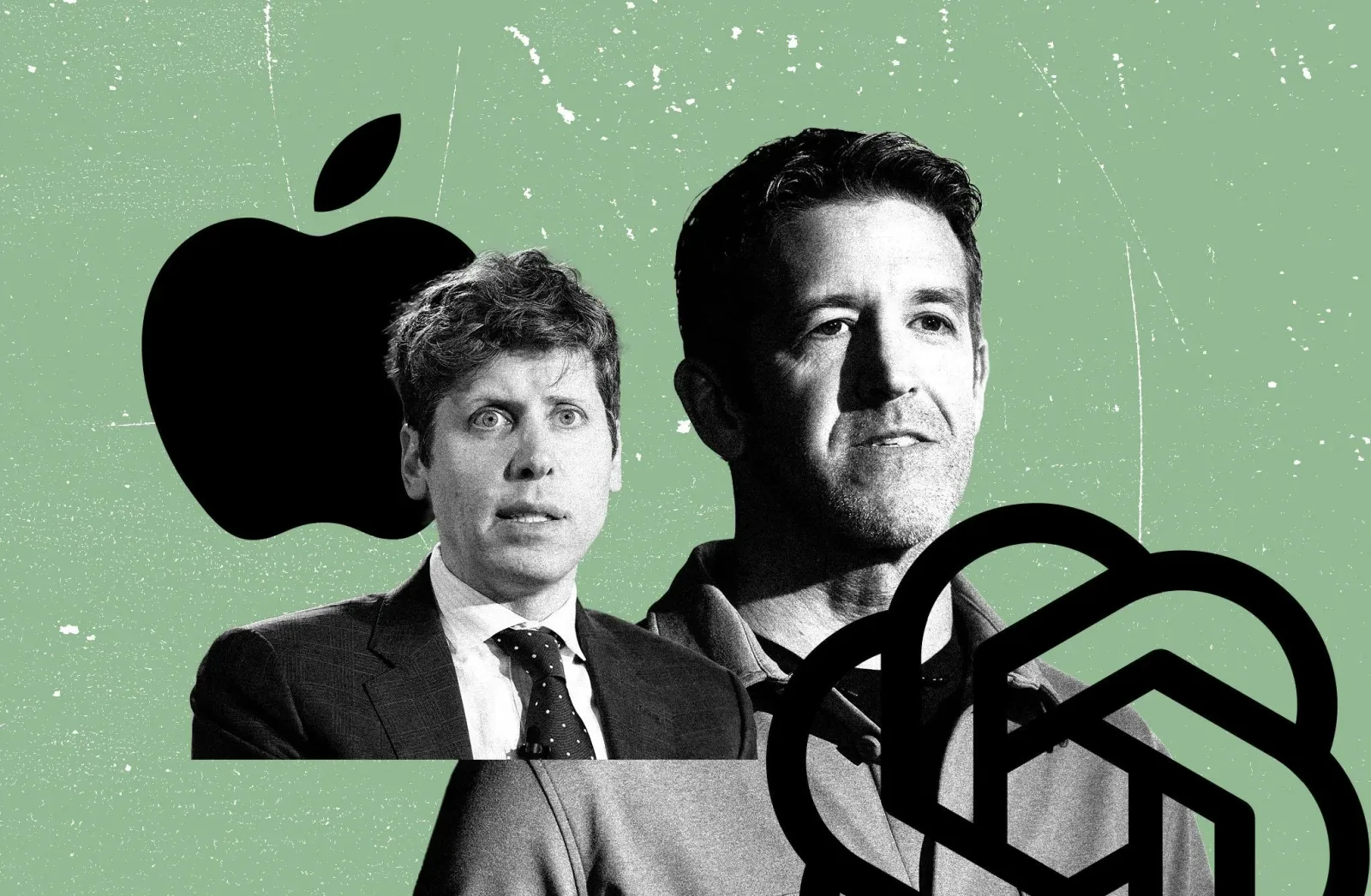
Apple just turned up the heat on OpenAI, filing for expedited discovery after allegedly finding discussions about destroying evidence on a laptop belonging to a former Apple engineer who jumped ship to the ChatGPT maker. According to Bloomberg's reporting, the device in question belonged to one of three ex-Apple employees now at OpenAI, and Apple says it only just received the machine after months of legal wrangling.
The core dispute centers on whether these former Apple staffers, including engineer Chang Liu, brought proprietary knowledge about Apple's secretive AI hardware projects with them to OpenAI. Apple has accused OpenAI of deliberately recruiting talent working on an AI-powered device, essentially claiming OpenAI used its employees as a shortcut to Apple's multi-year research investments.
What makes this filing particularly aggressive is Apple's claim that OpenAI knew about forensic evidence Apple would need and allegedly discussed getting rid of it. If the court agrees this rises to the level of spoliation, which is the legal term for deliberately destroying evidence, OpenAI could face sanctions that range from fines to adverse inferences, meaning a judge could simply assume the destroyed evidence would have supported Apple's claims.
This lawsuit represents a major shift in how Big Tech companies are handling the AI talent wars. For years, poaching engineers was just part of the game. But as AI capabilities become existential competitive advantages, companies are increasingly willing to go nuclear over departing employees, especially when hardware secrets are involved.
The discovery dispute also signals Apple may have a stronger case than initially thought. Companies don't typically push for expedited discovery unless they believe smoking gun evidence exists and is at risk of disappearing. Whether Apple actually has proof of wrongdoing or is applying legal pressure to slow OpenAI's hardware ambitions remains to be seen.
What this means for you: if you work in AI or manage teams building AI products, document your clean room procedures and make sure departing employees understand what they legally cannot take or recreate at their next job. The line between general knowledge and trade secrets is blurrier than ever, and companies are lawyering up. For founders raising against well-funded incumbents, hiring talent from competitors is getting legally riskier. Try this prompt with your AI assistant: "Help me draft an employee offboarding checklist that covers intellectual property handoff, device return, and post-employment restrictions for someone leaving to join a competitor in our space."
Reporting basis: original story
← back to The Wire