the wire · #topnews · 2026-09-02
The Range Rover Electric: Specs, Price, Availability
Cech Tech Reviews
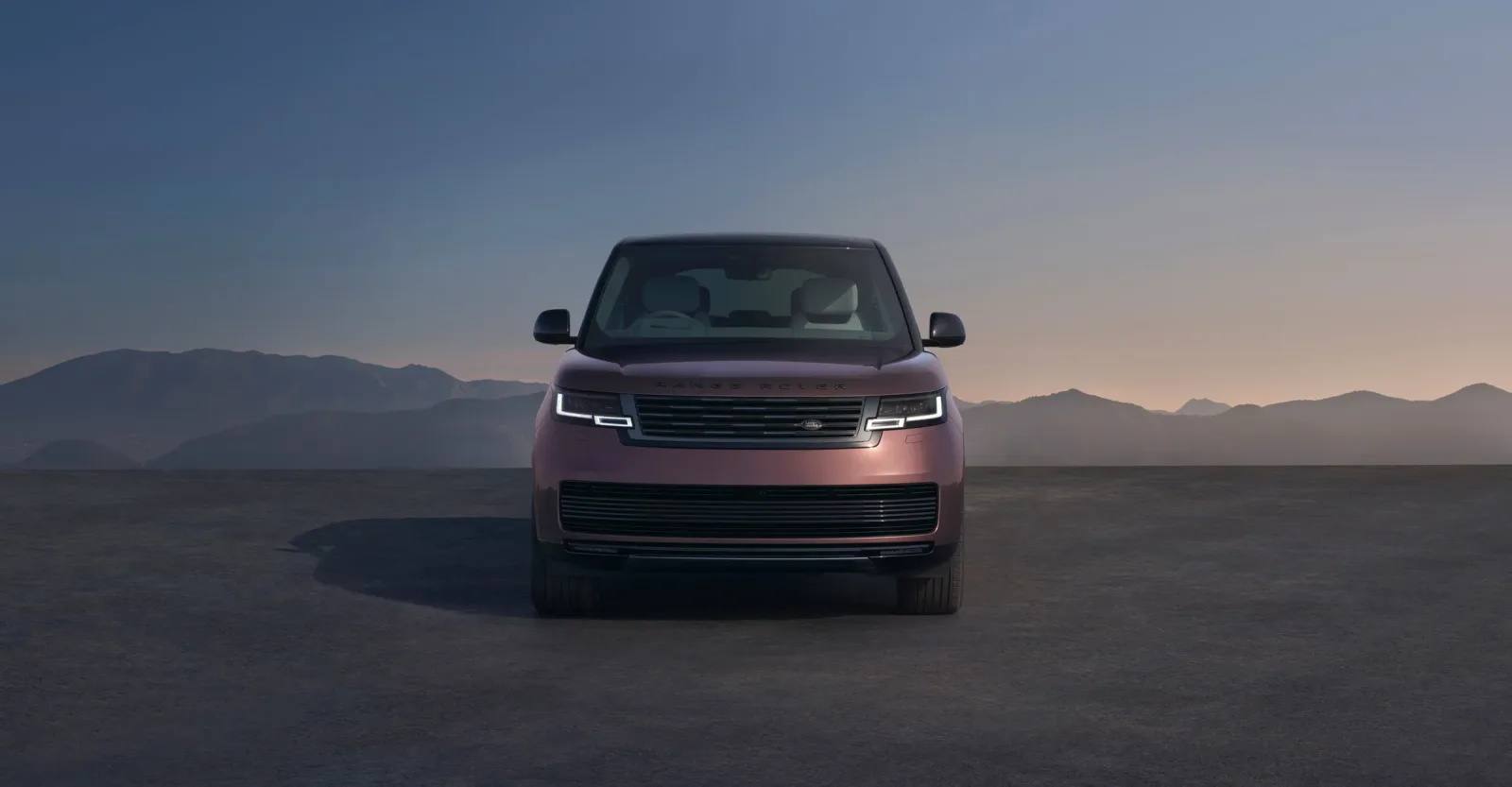
Jaguar Land Rover has finally pulled the curtain back on the Range Rover Electric, a move that marks a pivotal moment for the luxury automaker. After enduring years of delays that tested the patience of enthusiasts and investors alike, the company is now betting its biggest gamble on this fully electric iteration of its iconic brand. The wait was not in vain, as the vehicle promises to deliver the rugged capability and luxury that the Range Rover name is synonymous with, but with zero tailpipe emissions.
According to recent reports, the new electric model is designed to maintain the brand's reputation for extreme off-road prowess while integrating modern electric vehicle technology. This is a significant engineering challenge, as traditional Range Rover buyers often prioritize terrain-conquering ability over pure speed or efficiency. JLR claims that the new EV platform allows for impressive off-road skills, ensuring that the vehicle can handle mud, water, and steep inclines just as well as its internal combustion predecessors.
Performance metrics for the Range Rover Electric are substantial, aiming to compete with other high-end luxury EVs in the market. The vehicle offers a combination of huge performance and extended range, addressing two of the most common concerns for potential electric vehicle adopters. This dual focus suggests that JLR is targeting a demographic that refuses to compromise on either power or the ability to travel long distances without frequent charging stops.
However, the most notable aspect of the launch is the pricing strategy, which varies significantly by region. The vehicle is described as mighty pricey, reflecting the luxury status of the brand and the high cost of battery technology. This premium positioning is typical for flagship electric models, but it also creates a barrier to entry for many consumers who might otherwise be interested in the brand's heritage.
Interestingly, the US market is receiving a more affordable version of the Range Rover Electric. This strategic move suggests that JLR is attempting to broaden its appeal in one of the world's most important automotive markets. By offering a cheaper model, the company hopes to attract buyers who want the prestige of the Range Rover name without the exorbitant price tag of the top-tier variant.
The launch of the Range Rover Electric signals a broader shift in the automotive industry toward electrification, even in segments traditionally dominated by gas-guzzlers. Luxury SUVs are no longer exempt from the pressure to go electric, and JLR's entry into this space is a clear acknowledgment of changing consumer preferences and regulatory environments. This move also highlights the competitive intensity in the luxury EV sector, where established brands are racing to prove their relevance in a new era.
For professionals and tech enthusiasts, this development offers a glimpse into how legacy manufacturers are adapting to the electric transition. The Range Rover Electric is not just a car; it is a statement about the future of luxury mobility. It demonstrates that even the most traditional brands can innovate and stay relevant by embracing new technologies while preserving their core identity.
What this means for you: As the automotive industry continues to evolve, staying informed about these shifts can help you make better decisions about your own technology investments and career paths. If you are interested in the intersection of luxury, engineering, and AI, consider exploring how autonomous driving features might be integrated into such high-end vehicles. Try using an AI assistant to analyze recent trends in luxury EV adoption and predict how features like advanced driver assistance systems might change in the next five years. This can provide valuable insights for your professional development or personal interest in automotive technology.
Reporting basis: original story
← back to The Wire