the wire · #topnews · 2026-07-29
Love It or Hate It, the Ferrari Luce Is a Thrilling Drive
Cech Tech Reviews
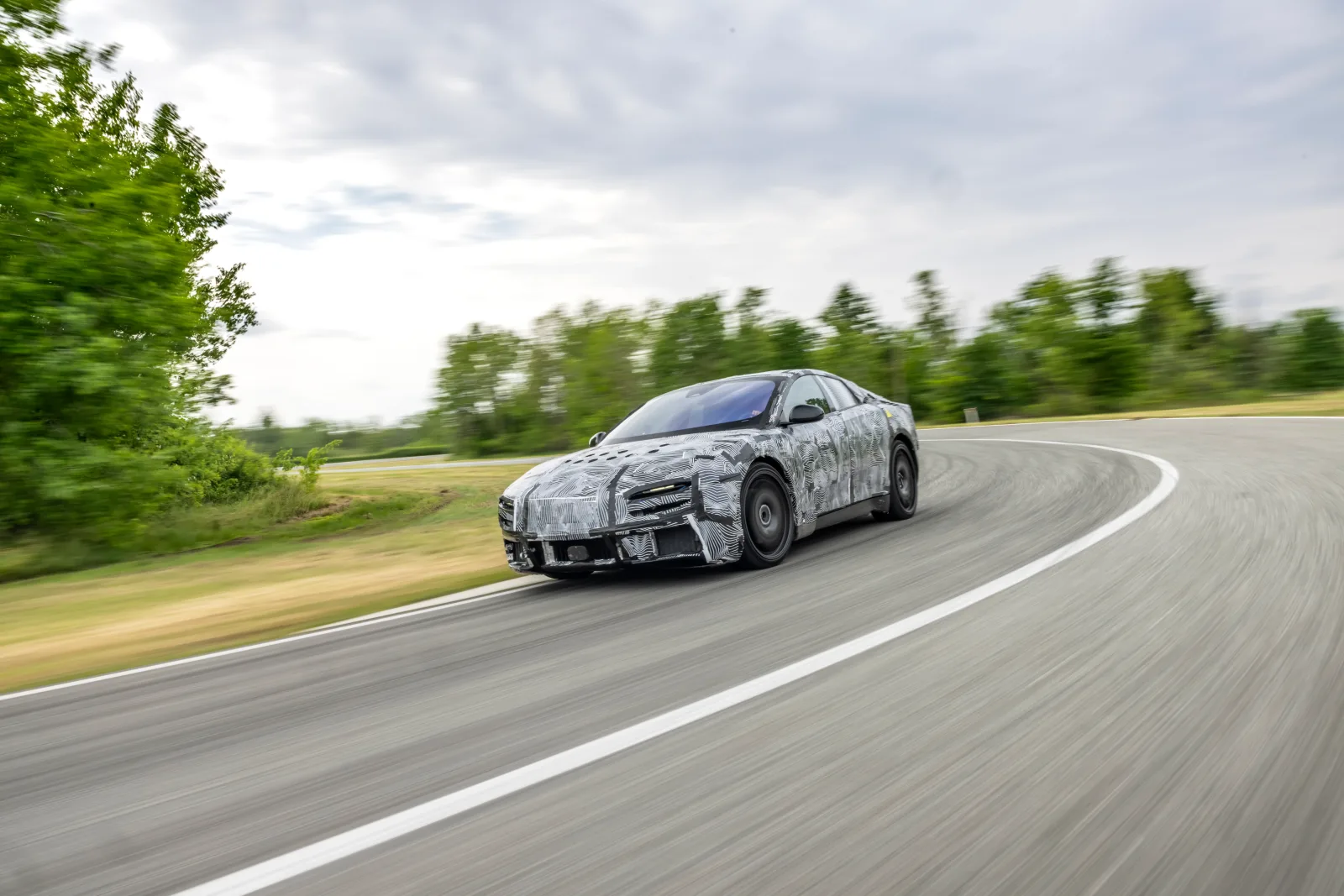
The automotive world is currently undergoing a seismic shift, and Ferrari’s latest entry into the electric vehicle market is at the center of the storm. According to a recent report by WIRED, their test drive of the preproduction Ferrari Luce offers a perspective that might surprise even the most ardent traditionalists. The headline grabs attention with its emotional framing, but the underlying story is about how software-defined vehicles are redefining what it means to be a supercar.
For decades, Ferrari has been synonymous with the visceral roar of internal combustion engines. The idea of an electric Ferrari has been met with skepticism by purists who fear that instant torque lacks the soul of a V12. However, the Luce appears to be challenging this narrative by focusing on a different kind of thrill. It is not just about speed, but about how that speed is delivered and managed through advanced systems.
The WIRED article highlights that the driving experience is remarkably surprising. This suggests that the engineers have prioritized driver engagement over raw, unrefined power. In the context of modern AI and tech trends, this points to a future where the car’s computer systems play a larger role in shaping the driving dynamics. The vehicle is likely using predictive algorithms to adjust suspension, torque vectoring, and braking in real time.
This brings us to a critical intersection between automotive engineering and artificial intelligence. As cars become more electric, they also become more computational. The Luce is not just a machine with a battery; it is a rolling data center. The way it handles power delivery is likely influenced by machine learning models that optimize performance based on driving style and road conditions.
For entrepreneurs and tech professionals, this is a clear signal that the value proposition of high-end vehicles is shifting. It is no longer just about the hardware, but about the software stack that controls it. The Luce represents a new category of product where AI is not an add-on feature, but a core component of the driving experience. This mirrors the broader trend in consumer tech where hardware is becoming a commodity and software defines the premium.
The controversy surrounding the Luce is inevitable, but it also serves as a catalyst for innovation. It forces the industry to rethink what performance means in an electrified era. The question is no longer just how fast a car can go, but how intelligently it can respond to the driver. This is where the real competition lies, and it is a battle that will be won by those who best integrate AI into the mechanical experience.
What this means for you: As AI tools become more integrated into daily life, understanding how they enhance physical experiences is crucial. You can start by exploring how AI-driven personalization works in other domains. Try using an AI assistant to analyze your own productivity patterns and suggest workflow optimizations. For example, you could prompt your AI tool with: "Analyze my last week’s calendar and email logs to identify time-wasting patterns and suggest three specific automation strategies to reclaim two hours per week." This mirrors the way the Luce uses data to enhance performance, applying it to your professional life.
Reporting basis: original story
← back to The Wire