the wire · #gadgets · 2026-07-12
M7 Ultra to potentially feature up to 1.5TB of RAM, finally matching 2019 Mac Pro: report
Cech Tech Reviews
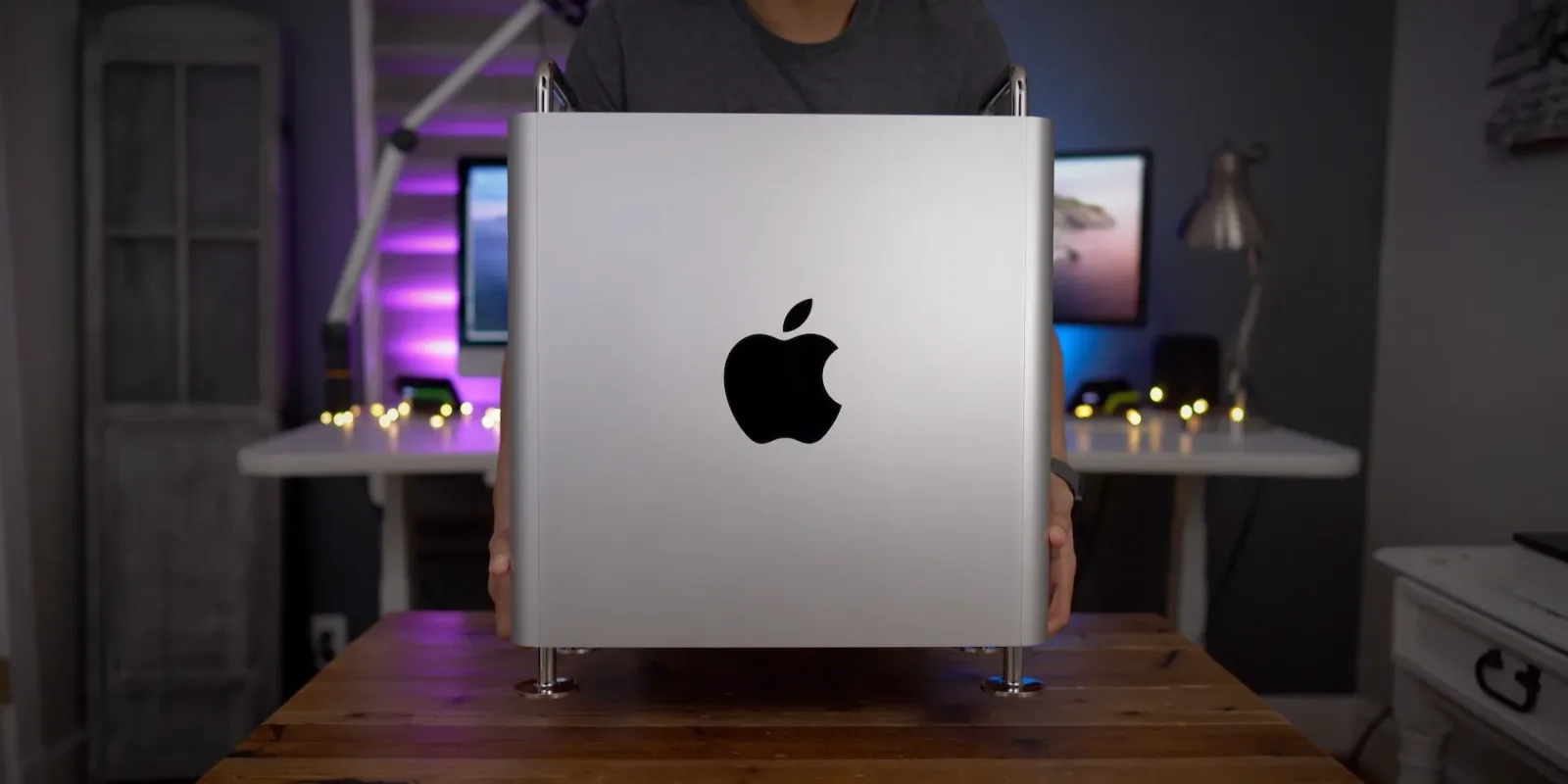
Apple is reportedly preparing to make a massive leap in memory capacity with its upcoming M7 Ultra chip. According to the latest Power On newsletter from Mark Gurman, the new silicon could support up to 1.5 terabytes of RAM. This specification is not just a minor upgrade but a strategic milestone that aligns with the highest configuration of the 2019 Intel-based Mac Pro.
For years, the 2019 Mac Pro has stood as a unique anomaly in Apple's lineup. It was the only machine capable of handling such extreme memory loads, largely because it relied on standard DDR4 ECC memory modules. The M7 Ultra represents a fundamental departure from that legacy architecture. It suggests that Apple's unified memory architecture can now scale to enterprise levels without the bulk of traditional server components.
This development is particularly interesting when viewed through the lens of artificial intelligence and machine learning. Modern AI models, especially large language models and complex generative AI systems, are increasingly memory-bound. The ability to load massive models entirely into RAM can drastically reduce inference times and enable more complex local processing. This capability could finally make high-end local AI workstations a viable alternative to cloud-based solutions for many enterprises.
The comparison to the 2019 Mac Pro is significant because it highlights how far Apple Silicon has come. For a long time, critics argued that Apple's consumer-focused chips lacked the raw expandability of traditional workstation hardware. By matching the 2019 Mac Pro's peak capacity, Apple is effectively closing that gap. It signals that the company no longer sees a need for a separate, distinct Mac Pro line for memory-intensive tasks.
There are also practical implications for creative professionals and data scientists. Video editors working with 8K raw footage or researchers training custom models on smaller datasets will benefit from this increased headroom. The M7 Ultra could allow these users to keep entire projects or datasets in memory, eliminating the bottleneck of slow disk I/O. This efficiency gain could translate to faster iteration cycles and more productive workflows.
However, it is important to remember that this information comes from a rumor mill. While Gurman has a strong track record, the final specifications may vary. Apple often refines its hardware roadmap based on supply chain constraints and market demand. The 1.5TB figure might be a ceiling for specific configurations rather than a standard offering across the board.
What this means for you is that the barrier to entry for high-performance local AI is lowering. If you are building a workflow around large language models or complex data analysis, you may soon be able to rely on a single, powerful machine rather than a distributed cloud setup. To test the limits of your current setup, try using an AI assistant to analyze a large dataset locally. You can prompt your AI tool to help you write a Python script that loads a CSV file into memory and performs basic statistical analysis. This will help you gauge how much RAM your current hardware can handle before hitting performance bottlenecks.
Reporting basis: original story
← back to The Wire
![These are my favorite new Messages features in iOS 27 [Video]](https://aideaflow.com/api/img/news/0ff3f9025ba4f38d.webp)