the wire · #ai · 2026-07-10
Meta's new AI chips will begin production in September
Cech Tech Reviews
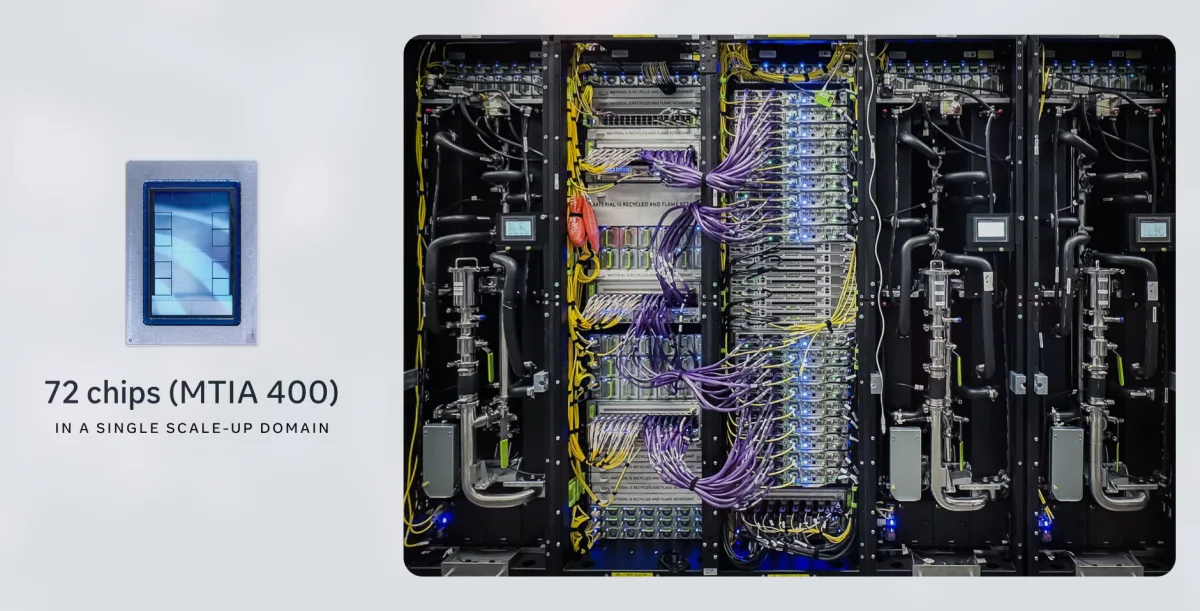
Meta has officially announced that its next generation of custom AI chips will enter production in September. This timeline places the company firmly in the race to secure hardware advantages for its massive data centers. The move underscores the intensifying competition between Big Tech firms to build their own silicon rather than relying solely on third-party suppliers like NVIDIA.
The most significant detail here is not just the date, but the architecture. According to recent reports, Meta is adopting a modular design philosophy for these new processors. This is a deliberate departure from monolithic chip designs that have dominated the industry for years. By breaking the chip into distinct, interchangeable components, Meta aims to create a more adaptable hardware foundation.
This modular strategy directly addresses the volatile nature of artificial intelligence development. AI models are evolving at a breakneck pace, often rendering specific hardware optimizations obsolete within months. A rigid chip design might offer peak performance today but fail to support the architectural shifts of next year's models. Meta is clearly betting that flexibility will outlast raw speed in the long run.
The implications for the broader tech industry are substantial. If successful, this approach could force competitors to rethink their own hardware roadmaps. It suggests a future where chip manufacturers must offer upgradeable or reconfigurable units to stay relevant. This could lead to a new standard in data center procurement where modularity is a key selling point.
For AI developers and enterprise users, this signals a potential shift in how compute resources are allocated. Instead of waiting for a complete hardware refresh every few years, organizations might see more incremental upgrades. This could reduce the total cost of ownership for running large language models and other intensive AI workloads over time.
However, the road to September production is not without challenges. Integrating modular components at scale requires sophisticated engineering and testing protocols. Any delays in supply chain coordination could impact the rollout. Meta will need to ensure that these modular parts work seamlessly together to deliver the performance gains they promise.
What this means for you is that the hardware landscape is becoming more dynamic. As an AI professional, you should monitor how these modular chips impact model training efficiency and inference costs. The ability to upgrade specific parts of your compute stack could become a critical factor in staying competitive.
Try using an AI workflow tool to simulate different hardware configurations. You can prompt your assistant to compare the potential benefits of modular versus monolithic designs for your specific use case. Ask it to outline a migration strategy that leverages flexible hardware upgrades to minimize downtime and maximize ROI.
Reporting basis: original story
← back to The Wire