the wire · #ai · 2026-07-10
Instagram’s Adam Mosseri: If you don't like AI, ‘then you shouldn't have it in your feed'
Cech Tech Reviews
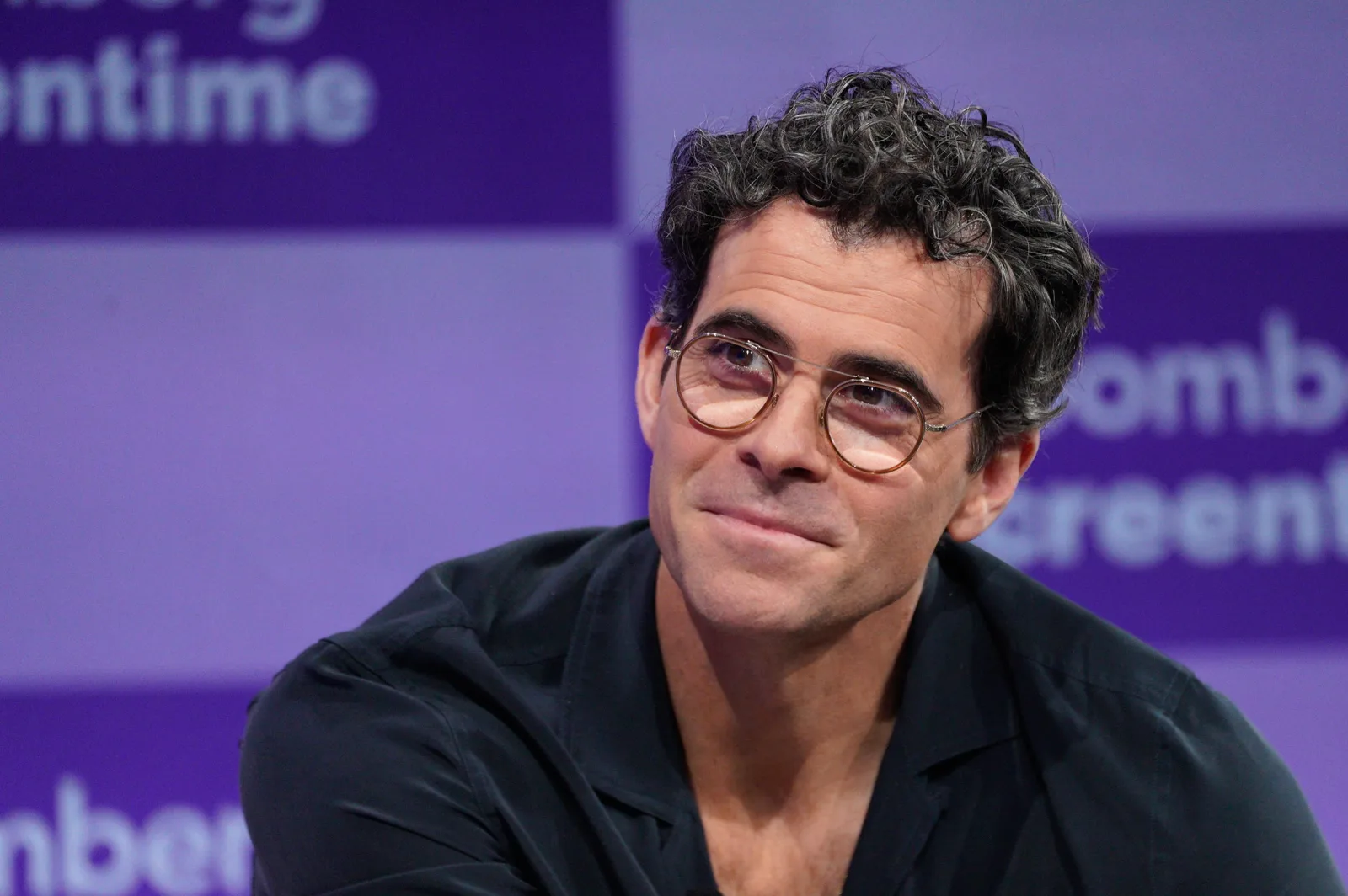
Instagram head Adam Mosseri recently made headlines by stating that if users do not like AI generated content, they should not have it in their feed. This comment came during an interview on Lenny Rachitsky's podcast and was reported by The Verge. His stance is clear that the platform should not actively filter out or ban AI content from appearing on the site. Instead, he believes that transparency is the key solution for consumers who are wary of synthetic media.
Mosseri argues that the primary responsibility lies with the user to curate their own experience. He suggests that if someone dislikes AI content, they should adjust their preferences to avoid it. This approach places the onus on the individual rather than the platform to manage the influx of artificial content. It is a pragmatic but somewhat controversial take on content moderation in an era where AI tools are becoming ubiquitous.
The distinction between banning content and sorting content is crucial here. Mosseri is drawing a line between removing AI content entirely and allowing it to exist while letting users decide what they see. He even goes so far as to say that people who love AI content should be able to have a feed that is exclusively AI generated. This implies a future where feeds are highly personalized and potentially segregated based on user preference for synthetic versus organic content.
This philosophy aligns with a broader trend across social media platforms like TikTok and YouTube. These platforms are increasingly relying on algorithmic sorting rather than strict content bans. The idea is that users can train their feeds by engaging with or ignoring certain types of content. However, this assumes that users have the time and knowledge to effectively manipulate their algorithms. It also raises questions about the quality of information users are exposed to if they are not actively curating their feeds.
From an AI industry perspective, this is a significant development. It suggests that platforms are preparing for a future where AI content is the norm rather than the exception. By refusing to filter it out, they are effectively normalizing its presence. This could lead to a more fragmented social media landscape where different users see vastly different realities based on their engagement with AI content. It also challenges the notion of a shared public square on social media.
The implications for content creators are also worth considering. If AI content is not filtered out, creators may feel pressured to use AI tools to keep up with the volume and style of popular posts. This could lead to an arms race in AI adoption where the quality of human creativity is diluted. It also makes it harder for users to distinguish between authentic human expression and algorithmically generated noise. Trust in online content may erode further as a result.
What this means for you is that you must become an active curator of your digital environment. If you rely on social media for inspiration or information, you need to understand how to control what you see. Start by intentionally engaging with the type of content you want to see more of and ignoring or reporting content you do not. You can also use this workflow idea with an AI assistant to help you analyze posts: ask your AI tool to identify potential signs of AI generation in images or text, such as inconsistent lighting or repetitive phrasing, so you can make informed decisions about your feed.
Reporting basis: original story
← back to The Wire