
the wire · #ai · 2026-10-28
Microsoft is ending Copilot support on smart TVs
Cech Tech Reviews
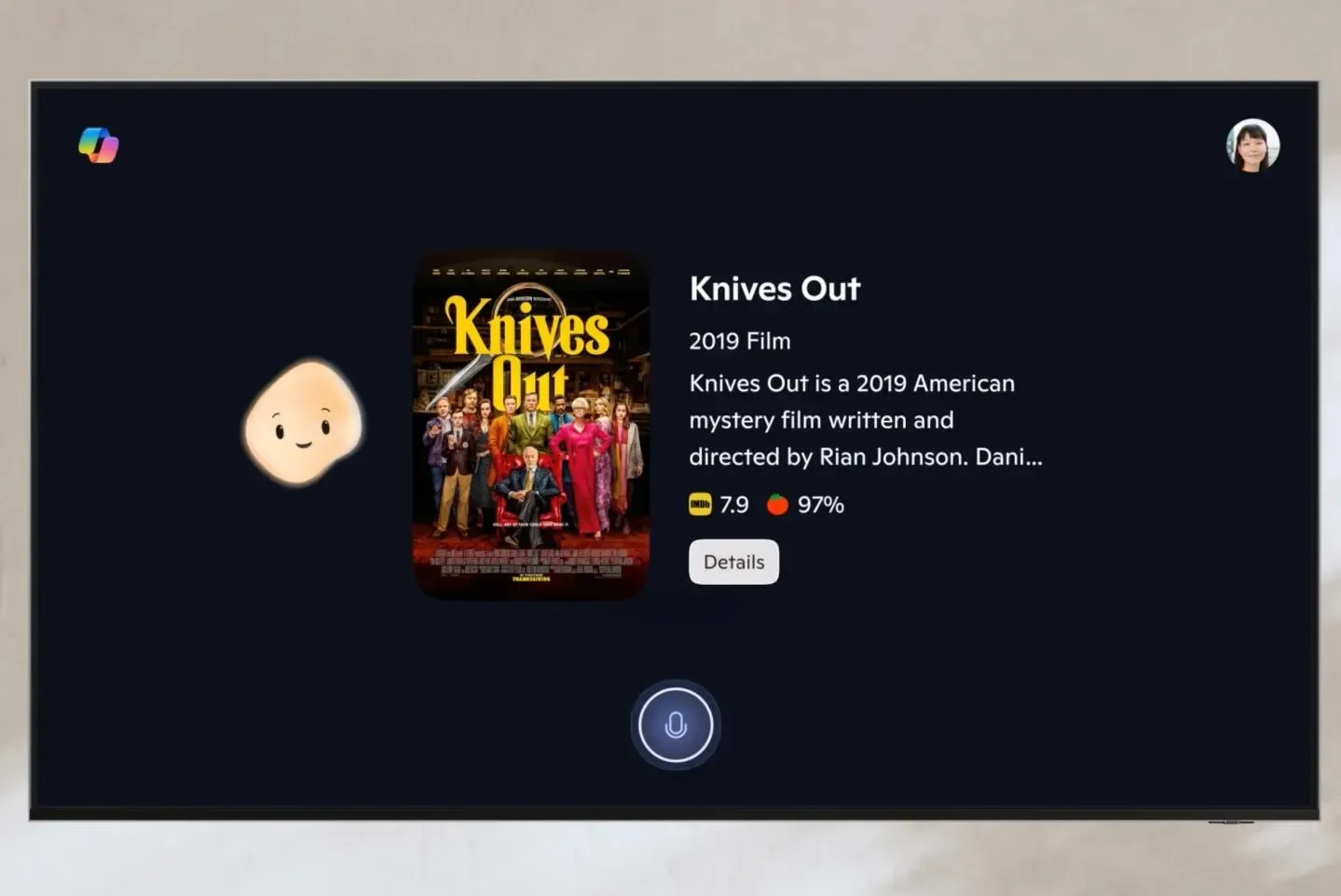
Microsoft is quietly pulling the plug on Copilot functionality for smart TVs from major manufacturers like LG and Samsung. This decision comes less than two years after these companies proudly showcased the feature at CES 2025. The news was not delivered via a press release but through an on-screen notification that appeared on a reviewer's device. This subtle removal signals a significant shift in how tech giants are handling experimental AI features in home entertainment.
The initial promise was that smart TVs would become central hubs for AI assistance. Users could expect to ask questions, control devices, or get recommendations through a conversational interface. However, the reality of integrating large language models into living room hardware has proven far more complex than anticipated. The friction between voice recognition accuracy and user expectations likely played a major role in this reversal.
According to reporting by Windows Central, the end of support affects all TV models that previously offered the feature. This includes the Copilot-enabled capabilities on LG webOS devices. The lack of an official statement from Microsoft, LG, or Samsung suggests that this was a strategic retreat rather than a technical failure. Companies often prefer to quietly discontinue features that do not meet engagement metrics to avoid negative publicity.
This move reflects a broader trend in the AI industry where hype often outpaces practical utility. Many early AI integrations in consumer electronics were designed more as marketing differentiators than essential tools. When users do not adopt these features at scale, companies are quick to cut their losses. The smart TV market is particularly sensitive to feature bloat that complicates the user experience for the average consumer.
For the broader tech ecosystem, this serves as a cautionary tale about over-engineering. Hardware manufacturers are under pressure to include AI capabilities to stay competitive. Yet, the infrastructure required to support reliable, low-latency AI responses is expensive and complex. When the value proposition is unclear, the cost of maintenance becomes unsustainable. This likely explains the sudden withdrawal of support across multiple platforms.
The implications for future AI hardware are significant. We may see a shift away from always-on AI assistants in passive devices like TVs. Instead, companies might focus on AI features that are triggered by specific needs rather than constant availability. This approach reduces complexity and ensures that the technology adds tangible value when it is actually used.
What this means for you is that you should be cautious about relying on AI features in consumer electronics for critical tasks. These integrations can be discontinued without warning if they do not drive engagement. If you are using a smart TV with Copilot, treat it as a bonus feature rather than a core utility. You might want to test the feature now to see if it fits your workflow before it disappears entirely.
Try this prompt with your local AI assistant to evaluate your current setup: "Analyze my current smart home workflow and identify which AI features I use daily versus those I ignore. Suggest three simpler, more reliable alternatives for the ignored features that do not require constant internet connectivity or complex voice recognition." This helps you prioritize stability over novelty in your tech stack.
Reporting basis: original story
← back to The Wire