the wire · #ai · 2026-10-07
Microsoft is giving Copilot more control over Windows and your files
Cech Tech Reviews
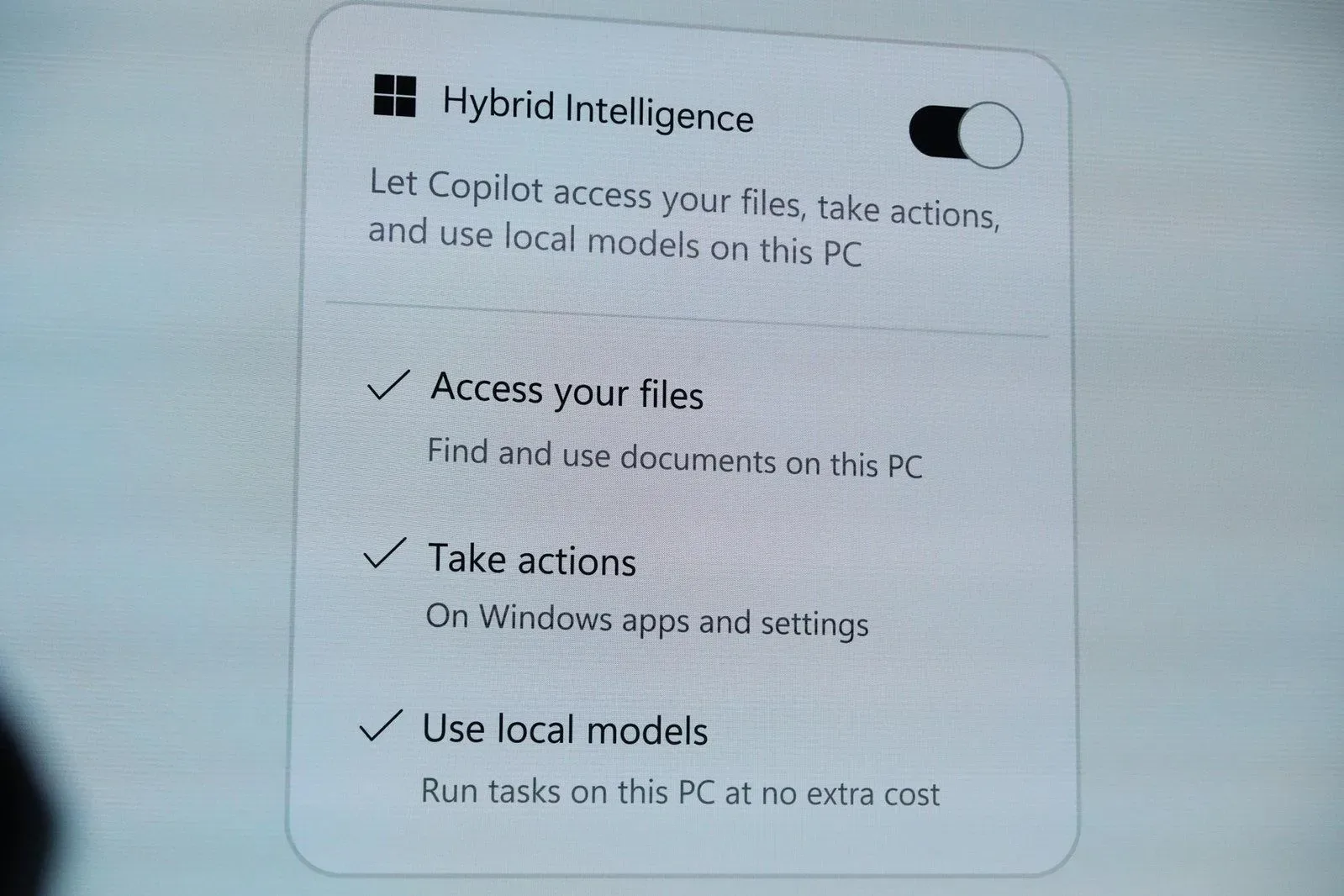
Microsoft just announced it's giving Copilot direct access to your files and the ability to control Windows itself, not just chat about it. According to The Verge, the company demonstrated what it calls Hybrid Intelligence at its Windows and Surface event today, where AI tasks get split between local models running on your PC and cloud services. This is a meaningful architecture shift, not just a feature update.
The demo had Jacob Andreou, Microsoft's EVP of Copilot, ask the system to help file taxes after mentioning an email from his accountant. The AI agent then went hunting through local files and emails to gather what the accountant needed, operating more like a persistent assistant than a one-shot chatbot. That's the hybrid part: some processing happens privately on your device, some in the cloud, depending on what the task requires.
This marks a clear departure from the pure cloud AI approach most companies have taken. Running models locally means faster responses for simple tasks, better privacy for sensitive data, and the ability to work offline. But it also means Microsoft is now asking for much deeper system permissions than a browser-based chatbot ever would.
The tax filing example is strategic. It's exactly the kind of tedious, multi-step task where an AI agent could genuinely save time, but it also requires reading personal financial documents and emails. Microsoft is betting users will trade that access for convenience, and they're probably right for a large segment of Windows users who already trust the OS with everything.
The broader implication here is that AI is moving from tool to operator. Copilot isn't just answering questions anymore. It's being positioned as something that can act on your behalf across your entire system, which raises both productivity potential and trust questions. If it works reliably, it could redefine how people interact with their computers. If it doesn't, or if it mishandles sensitive data, the backlash will be swift.
What this means for you: if you use Windows and Copilot, expect to see prompts asking for file and system access in upcoming updates. Before granting those permissions, audit what's in the folders Copilot can see. For a practical workflow, try this prompt once the feature rolls out: "Review all documents in my Downloads folder from the past month and summarize any that mention invoices, receipts, or tax documents into a single list with file names and dates." That's the kind of local file task hybrid AI should handle well, and it'll show you quickly whether the access tradeoff is worth it for your workflow.
Reporting basis: original story
← back to The Wire