the wire · #ai · 2026-10-05
Sen. Adam Schiff on AI regulation, free speech, and impeaching Trump one more time
Cech Tech Reviews
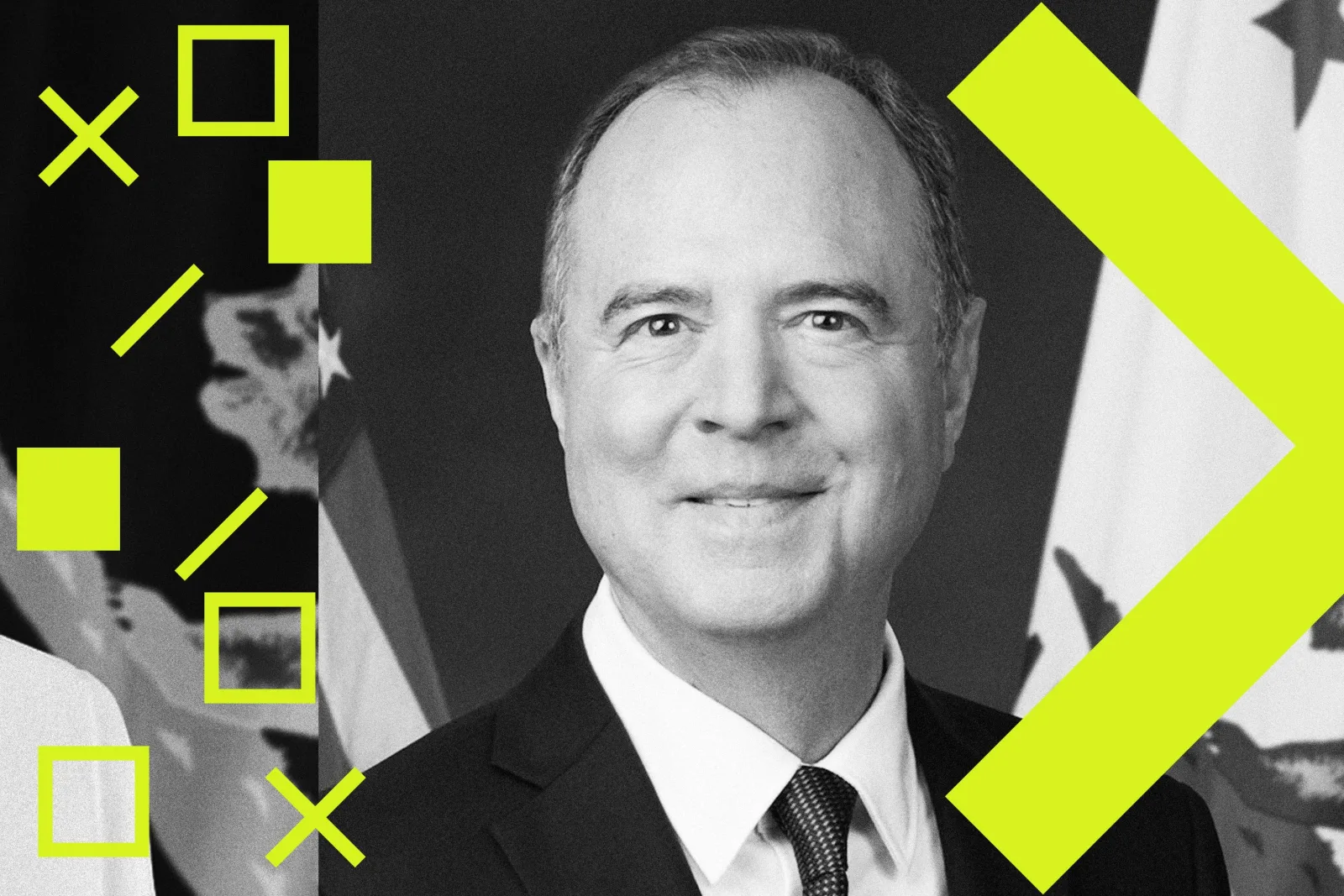
Sen. Adam Schiff thinks tech CEOs signing voluntary AI safety pledges at the White House is political theater, not policy. And he's right to be skeptical.
According to The Verge's Decoder podcast, the California Democrat who sits on committees overseeing intellectual property, antitrust, and tech policy made it clear that non-binding promises from AI companies won't cut it. This comes as major AI labs continue claiming their systems pose existential risks while simultaneously resisting meaningful external oversight. The contradiction is obvious: if your product might be dangerous enough to justify invoking national security concerns, why would self-evaluation be sufficient?
Schiff supports creating a dedicated federal agency to regulate AI, similar to how we handle pharmaceuticals or aviation. But there's a massive legal obstacle that didn't exist a few years ago. The Supreme Court's Loper Bright decision killed Chevron deference, the doctrine that let courts defer to agency experts when laws were ambiguous. Now judges, not scientists or engineers, get final say on technical regulatory questions. Any new AI agency would face immediate litigation, with courts second-guessing expert decisions on training data, model safety thresholds, or deployment standards.
The comparison to social media regulation is instructive. We spent over a decade debating Section 230, content moderation, and algorithmic amplification without passing comprehensive federal legislation. AI is moving faster and the stakes are higher, from job displacement to synthetic media to autonomous weapons. Voluntary commitments let companies set their own rules, change them when convenient, and face zero consequences for breaking them.
What this means for you: If you're building products or workflows that depend on AI stability and clear rules, don't count on federal guidance anytime soon. The regulatory vacuum means companies will keep shipping first and asking forgiveness later. Document your AI use cases and decision points now, because when rules do arrive, you'll need to show you were thoughtful about risks. Try this prompt with your AI assistant: "Review our current AI tool usage and flag any areas where we're making consequential decisions without human review or where we lack clear documentation of how the AI system works." That audit will matter whether regulation comes from Congress, agencies, or eventually the courts.
Reporting basis: original story
← back to The Wire