the wire · #ai · 2026-11-12
More game developers are starting to use generative AI
Cech Tech Reviews
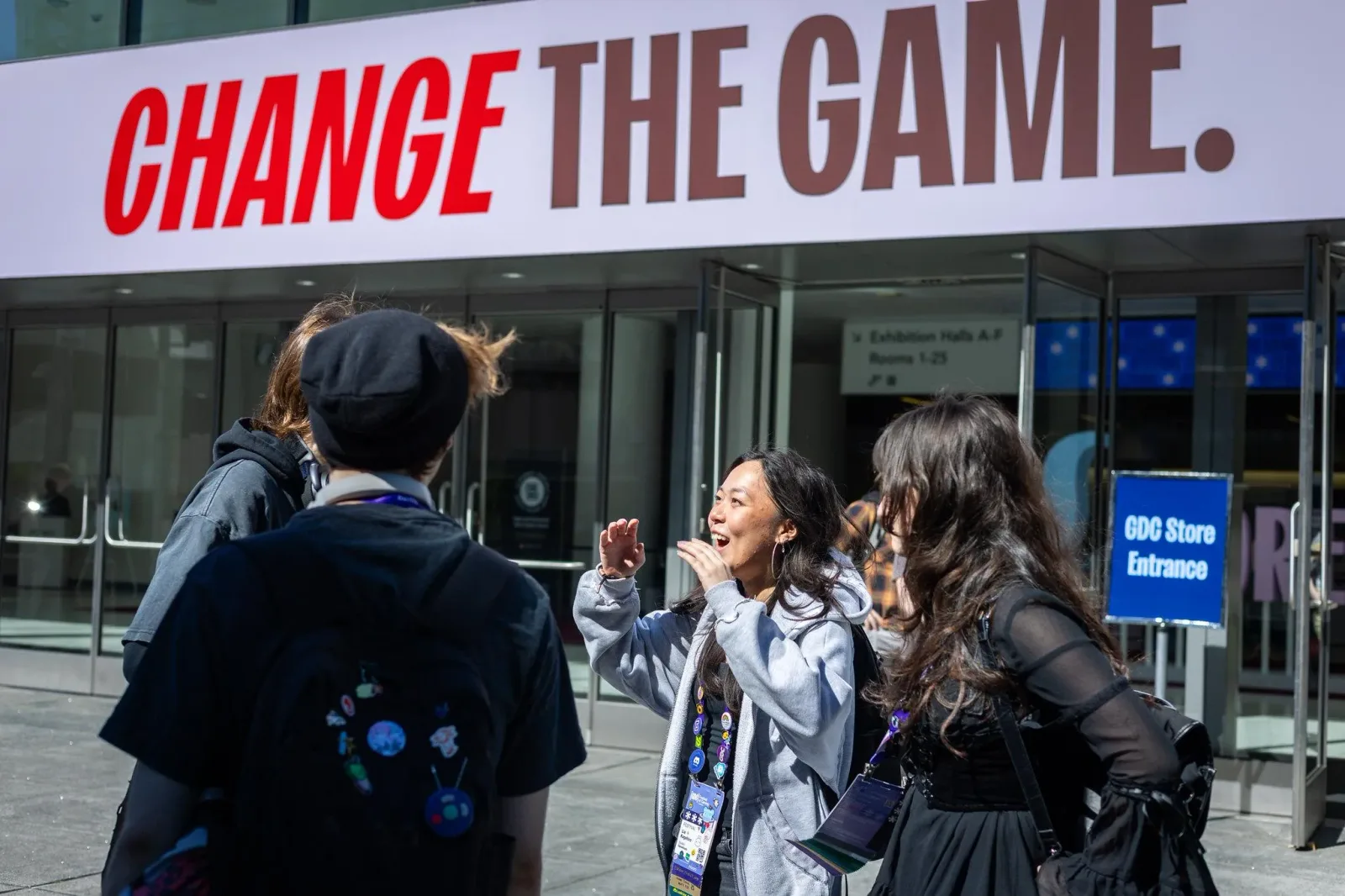
The gaming industry is quietly undergoing a significant transformation in how games are built, and the latest data from the GDC Festival of Gaming 2026 makes that shift undeniable. According to reporting by The Verge, the annual industry survey shows that forty percent of developers now use generative AI as part of their daily jobs. This represents a clear upward trend from the thirty-six percent recorded in 2025.
This steady growth suggests that AI is moving from a novelty or a point of protest to a standard utility in the development pipeline. While the headline number of forty percent might seem modest, it indicates that generative tools have crossed the threshold of experimental adoption and are becoming embedded in professional workflows. Developers are no longer just asking if they should use AI, but rather how to integrate it effectively.
The data reveals a stark divide based on the type of game being developed. Usage spikes to fifty-eight percent among developers working on free-to-play titles and reaches an impressive seventy percent for those in mobile-only studios. This disparity is not accidental. Mobile and free-to-play games often require massive amounts of content, rapid iteration, and continuous live-service updates, making them ideal candidates for AI-assisted production.
Mobile studios are under immense pressure to produce high volumes of assets, from character skins to background environments, at a pace that human teams alone cannot sustain. Generative AI offers a way to scale content creation without proportionally scaling headcount. For these developers, AI is not just a tool for efficiency, it is a business necessity to maintain margins in a highly competitive market.
In contrast, the broader industry continues to grapple with the ethical and creative implications of these tools. Many indie developers have spoken out strongly against generative AI, citing concerns over copyright and the potential devaluation of human artistry. This tension is palpable, yet the survey data suggests that economic pressures and production demands are driving adoption regardless of ideological opposition.
The fact that AI is at the center of indie awards discussions further complicates the narrative. It shows that even in smaller, more artist-driven circles, the technology is influencing the creative process. The industry is not just accepting AI, it is actively reshaping its relationship with the technology to find a balance between innovation and integrity.
What this means for you If you are a creative professional, the writing is on the wall. AI adoption is accelerating in content-heavy sectors. You should start experimenting with AI workflows to understand their capabilities and limitations. Try using an AI assistant to brainstorm ten distinct visual concepts for a project in under five minutes. This helps you separate the ideation phase from the execution phase, allowing you to focus your human effort on refining the best ideas rather than generating every option from scratch.
Reporting basis: original story
← back to The Wire