the wire · #gadgets · 2026-08-09
Will price hikes force Apple to stop dragging its feet on certain product upgrades?
Cech Tech Reviews
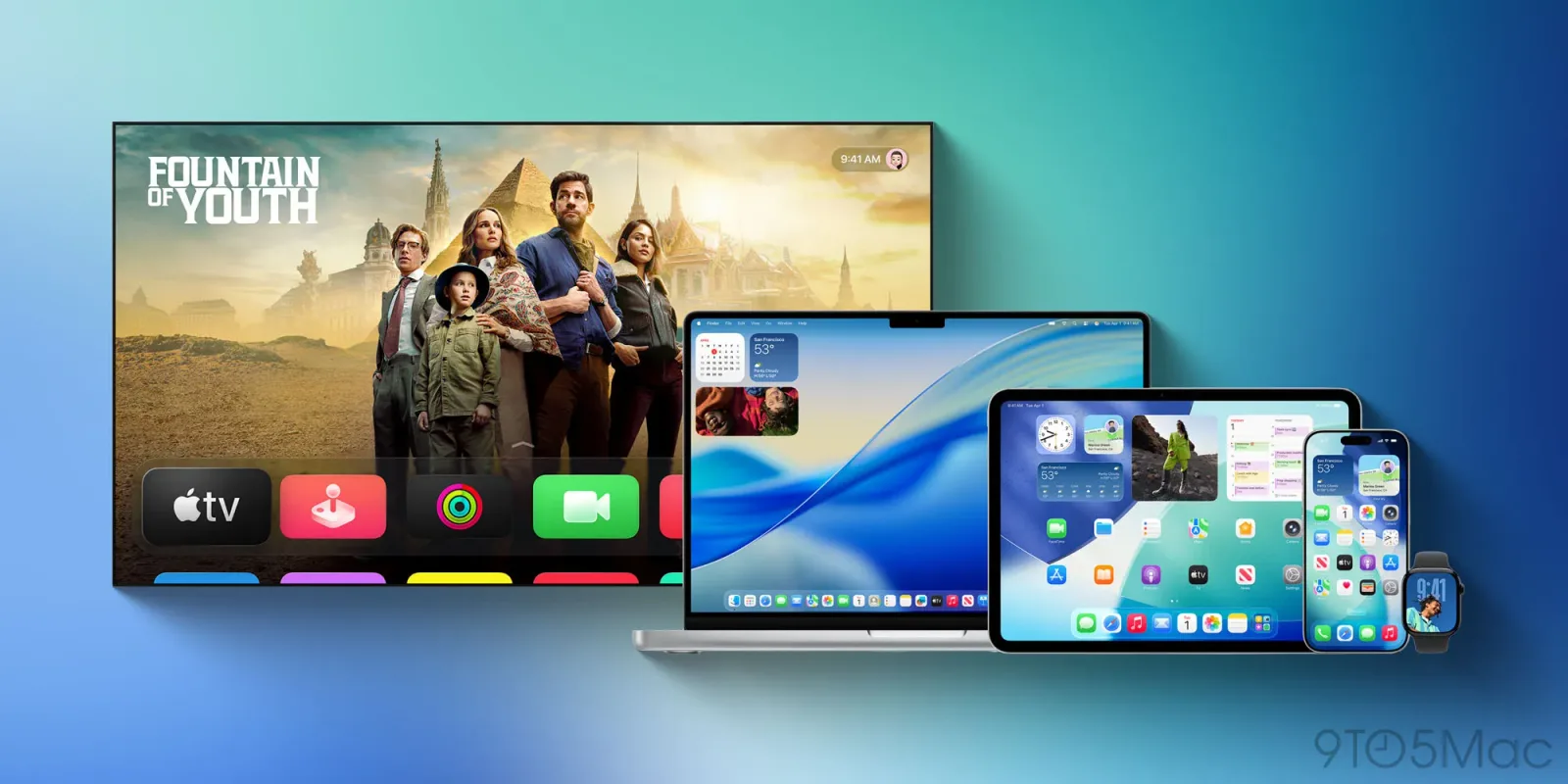
Apple has recently made headlines with a series of steep price increases across its product lineup. According to reports, the iPad Air jumped from $599 to $749, while the M5 MacBook Pro saw a rise from $1699 to $1999. Even the Apple TV was not spared, with its price climbing from $129 to $199. These are not minor adjustments but substantial jumps that will be felt by consumers and professionals alike.
The primary driver behind these hikes appears to be the ongoing global memory crisis. Supply chain constraints and rising costs for critical components like NAND flash and DRAM have forced Apple to pass these expenses on to customers. This is a common practice in the tech industry, but the scale of Apple's increases is notable. It signals that the pressure on hardware manufacturers is intensifying across the board.
This situation raises a critical question for Apple enthusiasts and investors. Will these price hikes force the company to accelerate its innovation cycle? Historically, Apple has been known for its incremental updates, often releasing new models with minor tweaks. However, at these new price points, consumers will expect more than just marginal improvements. The value proposition must be clear and compelling to justify the extra cost.
From an AI perspective, this is an interesting moment. As AI workloads become more demanding, hardware capabilities like memory bandwidth and storage speed are becoming increasingly important. If Apple is to maintain its premium positioning, it may need to integrate more advanced AI-ready features into its devices. This could mean faster neural engines, larger memory pools, or better integration with on-device AI models.
The broader tech industry is watching closely. Other manufacturers are facing similar supply chain challenges, but Apple's brand loyalty gives it a unique position. If Apple can deliver significant upgrades, it could set a new standard for what consumers expect from premium devices. If it fails to do so, it risks losing market share to competitors who offer better value.
For professionals and AI enthusiasts, this is a signal to reassess upgrade timelines. If you are planning to buy new hardware, consider whether the current models offer enough of a leap to justify the higher price. Alternatively, you might wait for the next generation of devices, which could include more AI-centric features. The market is shifting, and being informed is key.
What this means for you: As hardware costs rise, the focus should shift from raw specs to how well devices handle AI tasks. Consider upgrading to devices with larger memory pools if you plan to run local AI models. Here is a prompt to help you evaluate your current setup: "Analyze my current hardware specs and suggest if they are sufficient for running local LLMs efficiently, or if an upgrade is necessary based on current market prices and performance needs."
Reporting basis: original story
← back to The Wire