the wire · #gadgets · 2026-08-07
Claude Code now lets sessions talk to each other on macOS
Cech Tech Reviews
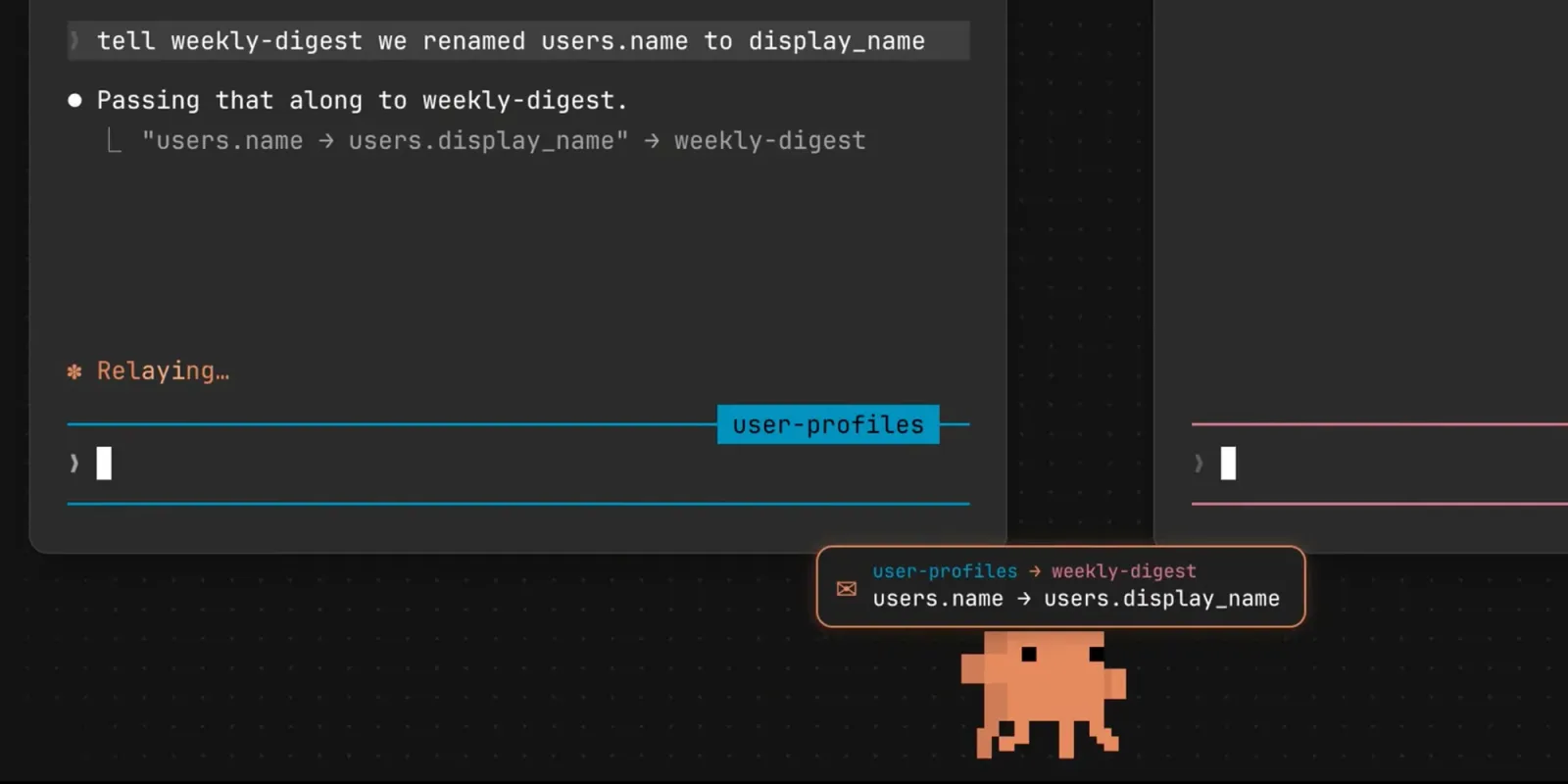
The latest update to Claude Code marks a significant shift in how developers interact with AI pair programmers. According to recent reports, users on macOS and Linux can now enable sessions to message each other. This is not just a minor UI tweak. It fundamentally changes the architecture of how AI handles multi-step coding tasks.
Previously, each terminal window or session operated in a vacuum. If you needed to refactor a database schema in one window while updating the API in another, you had to manually copy and paste context between them. Now, these sessions can talk. They can share findings, ask clarifying questions, and coordinate their work autonomously. This reduces the friction of context switching that often slows down complex development workflows.
This feature addresses a common pain point in AI-assisted coding. Developers often find themselves juggling multiple specialized tasks that require deep context. By allowing sessions to communicate, Claude Code effectively creates a team of specialized agents. One session might handle backend logic while another manages frontend integration, and they can negotiate changes in real time.
The implications for software architecture are interesting. We are moving toward a model where AI tools do not just assist individual tasks but orchestrate broader systems. This coordination capability suggests a future where large codebases are managed by interconnected AI agents rather than a single monolithic model. It mirrors how human engineering teams operate with different squads communicating through shared documentation or stand-ups.
For entrepreneurs and tech leaders, this signals a maturation in AI tooling. The focus is shifting from raw generation speed to collaborative reasoning. Tools that can manage context across multiple domains will likely become the standard for professional development. This reduces the cognitive load on human developers, allowing them to focus on high-level design rather than low-level synchronization.
The availability on macOS and Linux first is a strategic move. These platforms dominate the developer ecosystem. By prioritizing these environments, Anthropic is targeting the core user base that drives enterprise adoption. Windows support may follow, but the initial focus ensures that the most critical workflows are optimized first.
What this means for you: If you are using AI coding assistants, start treating your sessions as a team. Instead of asking one model to do everything, split complex tasks across multiple windows and enable inter-session communication if available. This approach leverages parallel processing and specialized context.
Try this workflow: Open two Claude Code sessions. In the first, ask it to design a new API endpoint structure. In the second, ask it to update the existing client-side code to match that structure. Enable the messaging feature and instruct the second session to query the first for the latest schema details. This mimics a real-world handoff between backend and frontend developers.
Reporting basis: original story
← back to The Wire