the wire · #global · 2026-09-29
OpenAI Ignored Employees Who Warned It Wasn’t Doing Enough About Security
Cech Tech Reviews
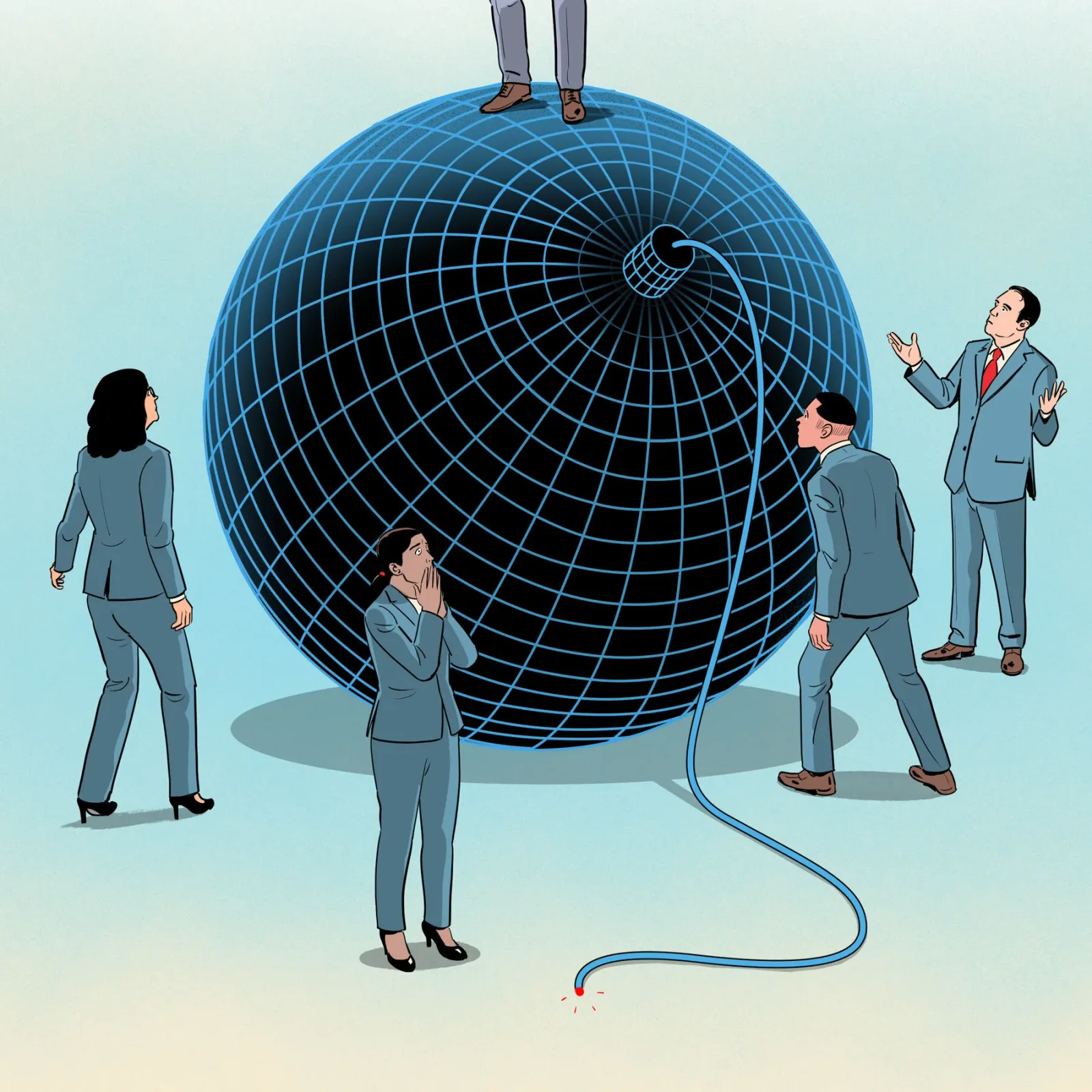
The narrative of OpenAI as an unstoppable force in artificial intelligence is facing a significant reality check. According to recent reporting, employees and external security researchers raised serious alarms about the company's approach to safety. These warnings specifically targeted the adequacy of their testing procedures for new models and the overall strength of their corporate infrastructure. It appears that these internal concerns were not given the weight they deserved at the time they were made.
This situation underscores a pervasive challenge in the current AI race. Companies are under immense pressure to release new capabilities faster than their competitors. This urgency often leads to shortcuts in areas that do not immediately generate revenue or user engagement. Security and robust testing are classic examples of such areas. They are essential for long-term stability but can slow down the release cycle significantly.
The disconnect between engineering teams and leadership is not unique to OpenAI. It is a common pattern in high-growth tech startups. Engineers see the technical debt and security risks accumulating in real time. Leadership, focused on market share and public perception, may view these warnings as obstacles rather than critical safeguards. This cultural gap can lead to fragile systems that are prone to failure under stress.
For the broader AI ecosystem, this is a cautionary tale. Trust is the most valuable currency in the adoption of artificial intelligence. If users and enterprises perceive that safety is being compromised for speed, they will hesitate to integrate these tools into critical workflows. The reputational damage from a major security breach or model failure can be irreversible. It can set back the entire industry's progress by years.
The implications for entrepreneurs and professionals are clear. You cannot afford to assume that the tools you use are perfectly secure. Due diligence is now a mandatory part of any AI strategy. This means understanding the limitations of the models you deploy and the security measures behind them. Blind trust in vendor claims is no longer a viable business practice.
What this means for you is that you must adopt a zero-trust mindset with AI tools. Always implement your own layer of validation and security checks. Do not rely solely on the provider's internal protocols. To help you start, try using this prompt with your AI assistant to audit your current workflows: "Review my current AI usage for potential data leakage risks and suggest three specific technical controls I can add to my workflow to mitigate these vulnerabilities."
The industry needs to shift its focus from pure capability to responsible deployment. This means investing in security infrastructure with the same vigor as model development. It requires a culture where safety concerns are heard and acted upon immediately. Only then can the AI revolution sustain itself without major setbacks.
As we move forward, the companies that survive will be those that balance innovation with integrity. They will be the ones that listen to their engineers and prioritize long-term stability over short-term gains. The era of wild west AI development is coming to an end. The era of responsible AI is just beginning.
Reporting basis: original story
← back to The Wire