the wire · #ai · 2026-09-29
OpenAI keeps bulldozing mathematicians
Cech Tech Reviews
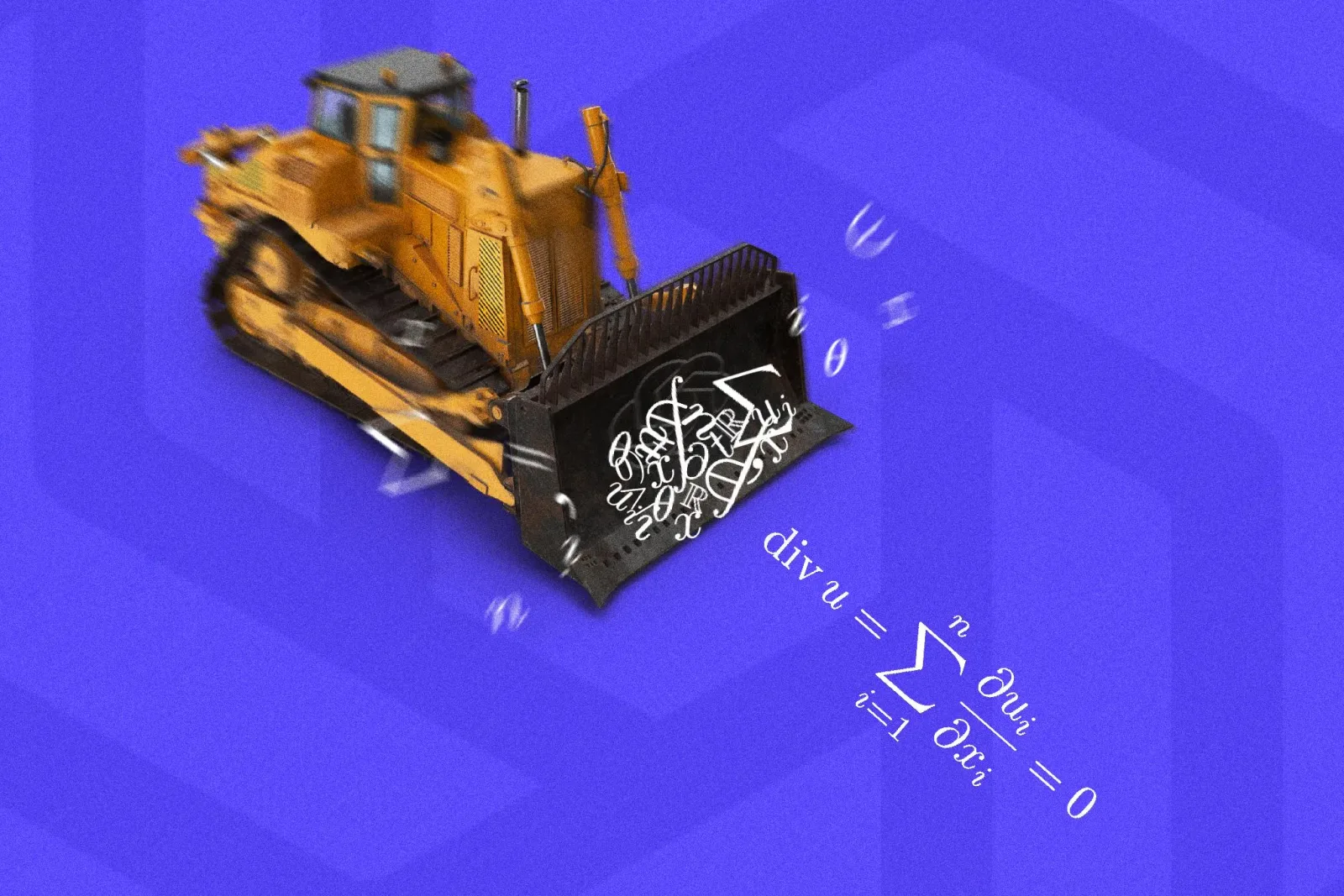
OpenAI continues to navigate a strange and turbulent relationship with the mathematical community. They have consistently demonstrated an ability to achieve impressive breakthroughs in complex problem solving. Yet, they simultaneously struggle to communicate these achievements without causing significant friction. This pattern of technical success paired with public relations missteps has become a defining characteristic of their recent trajectory.
The latest chapter in this ongoing saga involves an effort to repair fractured relations. OpenAI has established a new independent advisory group composed of elite practitioners in the field. The intention is clearly to gain better guidance and perhaps restore some trust. However, the execution of this initiative has raised eyebrows among those who have been following the company closely.
According to reporting by The Verge, mathematicians involved in or observing this process describe the affair as messy and confusing. Even one of the newly appointed members of the advisory group has contributed to this narrative. Their feedback suggests that the process lacks the clarity and respect that the field typically demands.
This situation bears many hallmarks of OpenAI’s previous rushed forays into mathematics. The company often moves at a breakneck pace, prioritizing speed over stakeholder alignment. This approach has repeatedly alienated experts who value rigorous peer review and transparent collaboration. The new advisory group seems to be suffering from the same organizational inertia.
For the broader AI industry, this highlights a critical vulnerability. Technical prowess alone is no longer sufficient to maintain credibility. Trust is a fragile asset that requires consistent and respectful engagement with subject matter experts. Ignoring the nuances of academic and professional communities can lead to long-term reputational damage.
The irony here is palpable. OpenAI is trying to fix a communication problem by adding more layers of bureaucracy. Yet, the initial rollout suggests they have not learned the lesson of simplicity and directness. The math community is watching closely to see if this group will have any real influence or just serve as a PR shield.
What this means for you is that skepticism toward corporate AI announcements should remain high. When companies claim to have solved complex problems, look for the independent verification and the quality of their stakeholder engagement. If the rollout is chaotic, the underlying technology may have hidden flaws or limitations.
Try this workflow with your AI assistant to evaluate such claims. Ask your model to analyze the specific technical claims in the announcement and then search for independent critiques from academic sources. This helps you separate the hype from the actual scientific progress.
Reporting basis: original story
← back to The Wire