the wire · #ai · 2026-09-29
OpenAI launches Dots, its Muse competitor
Cech Tech Reviews
OpenAI is officially entering the agentic AI arena with the launch of Dots. This announcement came during their recent DevDay keynote, signaling a strategic pivot toward persistent, background automation rather than just reactive chat interfaces. The move positions OpenAI as a direct competitor to Meta’s recently buzzed-about Muse AI, raising the stakes in the race for autonomous digital assistants.
At the core of this new offering is the GPT-6 Astra model. This underlying engine powers the Dots, enabling them to operate with a level of sophistication that goes beyond simple command execution. The system leverages a dedicated cloud computer to access web browsers and interact with more than 4,000 supported applications. This infrastructure allows the AI to perform complex workflows without requiring your local machine to be constantly active.
What makes Dots particularly interesting is their persistent nature. Unlike traditional chatbots that wait for a prompt, these agents are designed to be always-on. They learn your preferences over time, adapting to your specific work habits and needs. This continuous learning loop is crucial for creating a truly personalized assistant that can anticipate tasks before you even ask for them.
The user interface for interacting with Dots is designed to feel familiar and low-friction. You can engage with your Dot through a text-message-like interface that mirrors the experience offered by Meta’s Muse. For those who prefer voice interaction, you can also hop on a voice call directly from ChatGPT on the web, desktop, or mobile. This multi-modal approach ensures that users can interact with their AI assistant in the way that feels most natural to them.
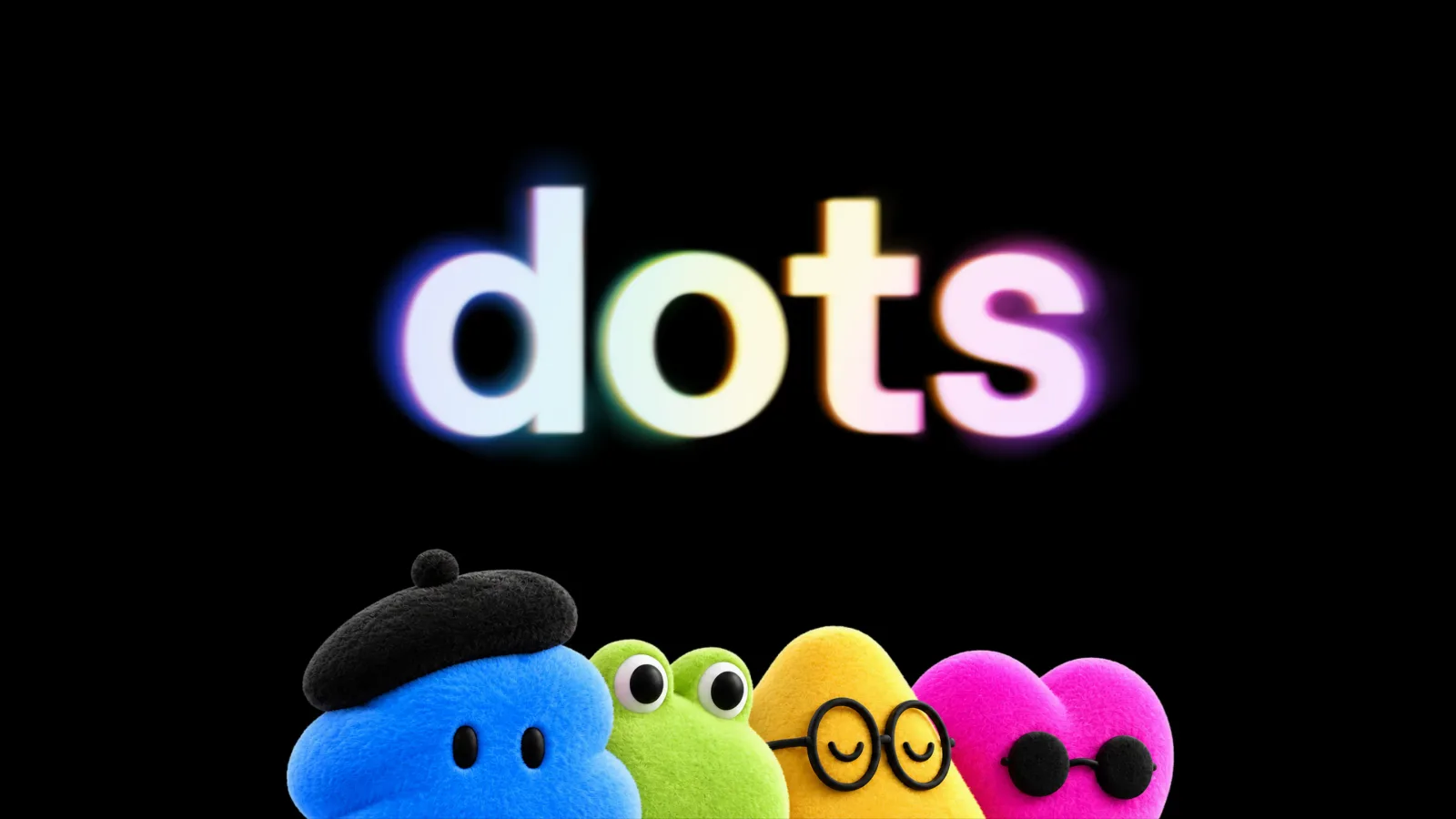
Visually, OpenAI has opted for a charming aesthetic. The Dots are represented by cute, customizable avatars, adding a layer of personality to the technology. This design choice likely aims to make the concept of an always-on AI companion feel less intrusive and more like a helpful colleague. It is a subtle but important psychological shift in how we perceive persistent AI agents.
The implications for productivity are significant. By handling tasks across thousands of apps in the background, Dots could drastically reduce the context-switching that plagues modern knowledge workers. Instead of manually navigating between different platforms to complete a workflow, your Dot can orchestrate these actions seamlessly. This represents a shift from AI as a tool to AI as an operator.
However, the breadth of integration also raises questions about security and privacy. Allowing an AI to access thousands of apps and learn your preferences requires a high degree of trust. Users will need to carefully consider what data they are sharing and how their Dots are managing sensitive information across these connected ecosystems.
What this means for you: Start thinking about which repetitive, cross-app workflows you can delegate to an agent. Instead of just asking an AI to write an email, try setting up a workflow where it monitors your inbox and drafts responses based on your past communication style. Here is a prompt to test the concept: "Act as my personal assistant. Review my last five sent emails and identify my common tone and key phrases. Then, draft a reply to this new email using that same style and structure."
Reporting basis: original story
← back to The Wire