the wire · #ai · 2026-09-30
Trump orders US government to call AI ‘Super Intelligence’
Cech Tech Reviews
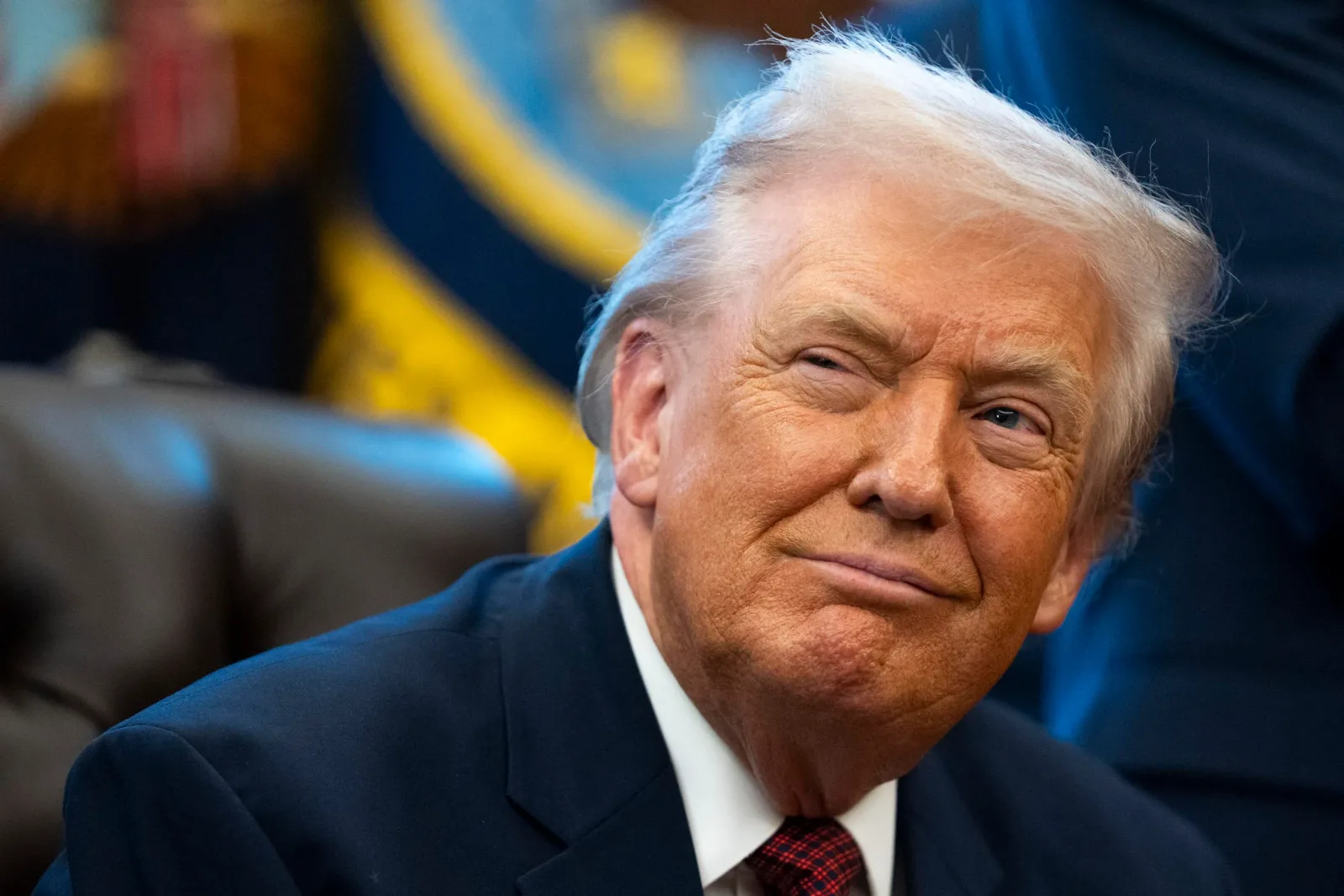
The United States government is undergoing a significant semantic shift in how it discusses technology. According to reporting by The Verge, President Donald Trump has signed an executive order directing all official policy websites, documents, and press releases to abandon the term artificial intelligence. Instead, the administration will exclusively use the phrase Super Intelligence. This is not merely a branding exercise but a deliberate redefinition of the technology’s nature in the eyes of the state.
Trump justified this change by arguing that the word artificial is misleading. He stated that the technology is not artificial because it possesses genuine power and brilliance. By removing the qualifier artificial, the administration aims to strip away the implication that these systems are mere simulations or tools. The goal is to frame them as formidable entities that deserve a different level of respect and scrutiny.
The choice of Super Intelligence also carries geopolitical weight. Trump mentioned that Chinese President Xi Jinping appreciates the term during a recent visit to the White House. This suggests a desire to align terminology with global leaders who may view the technology through a lens of national strength rather than academic classification. It signals an intent to compete on a narrative level as much as a technological one.
From an analytical perspective, this move reflects a broader trend in how powerful institutions handle disruptive technologies. When a technology becomes too complex or too powerful to be easily understood, leaders often rebrand it to manage public perception. Calling it Super Intelligence elevates it from a software category to a strategic asset. It implies that the technology has agency and potential that exceeds human control.
This rebranding has practical implications for how policy is crafted. If the government views these systems as super intelligent entities, regulations may focus on containment and alignment rather than just safety standards. It changes the conversation from how to build better code to how to manage a new form of intelligence. This could lead to more aggressive investment in oversight and less emphasis on open development.
For professionals and entrepreneurs, this shift highlights the importance of language in shaping reality. The terms we use to describe AI influence how investors, regulators, and users perceive its value and risk. Ignoring this semantic evolution could leave businesses out of step with emerging regulatory frameworks. It is crucial to monitor how these definitions impact funding and compliance requirements.
What this means for you: As a professional using AI tools, you should anticipate stricter regulatory language and potentially more rigid compliance standards. To stay ahead, you can use an AI assistant to audit your current documentation and marketing materials for outdated terminology. Try this prompt: Review my current project documentation and suggest revisions to align with a framework that emphasizes 'Super Intelligence' capabilities and strategic alignment, ensuring the tone reflects autonomous power rather than simple automation.
Reporting basis: original story
← back to The Wire