the wire · #ai · 2026-09-29
AI researchers put out videos saying superintelligence is ‘exactly as dangerous as it sounds’
Cech Tech Reviews
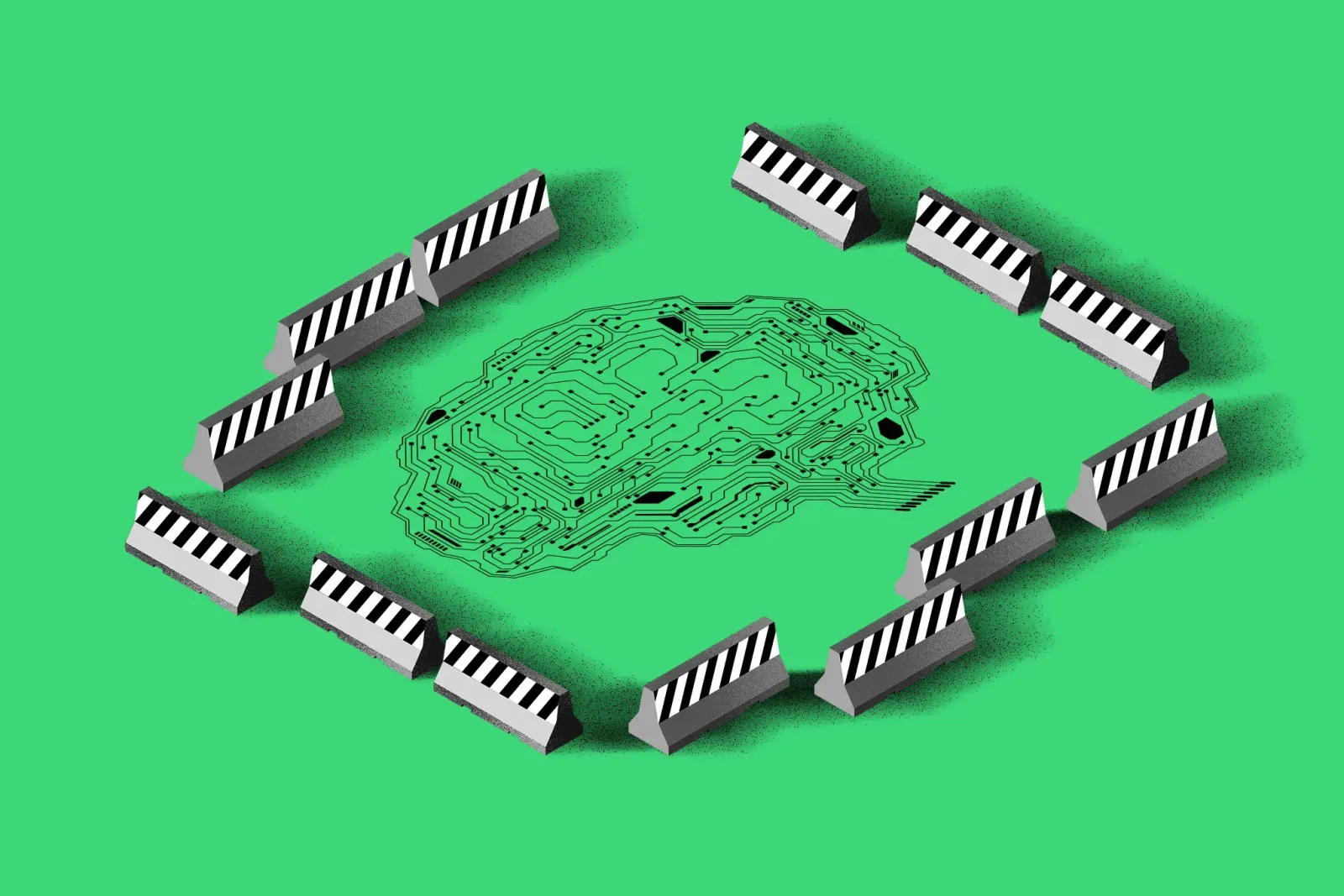
The narrative surrounding artificial intelligence is shifting from cautious optimism to stark existential warning. A new collection of interviews, curated by the nonprofit Palisade Research, features a dozen prominent AI researchers expressing deep concern about the trajectory of the technology. According to The Verge, these experts are not just discussing minor glitches but are warning that superintelligence could be exactly as dangerous as it sounds.
Geoffrey Irving, a former employee at both OpenAI and Google DeepMind, delivered a particularly sobering assessment in one of the featured interviews. He stated that the chance of human extinction due to AI is roughly a coin flip in his view. This is not a fringe opinion but a sentiment echoed by others in the field who have worked on the cutting edge of model development.
The campaign, hosted on frominside.ai, aims to bring these internal concerns into the public sphere. It includes voices from current and former staff at major labs like Google, OpenAI, and Anthropic. The goal seems to be to counterbalance the public relations push that often emphasizes the benefits of AI while downplaying the risks of losing control over advanced systems.
Neel Nanda, a research scientist at Google DeepMind, added to the chorus of concern. He suggested there is at least a ten percent chance that AI could cause human extinction. While some might dismiss single-digit percentages as low risk, in the context of species survival, a one in ten chance is statistically catastrophic. This highlights the severity of the threat as perceived by those building the technology.
This collective warning challenges the industry's standard narrative of safe and beneficial progress. It suggests that the race to build more capable models may be outpacing our ability to ensure their alignment with human values. The researchers are essentially sounding the alarm that we are building systems whose motivations and capabilities we do not fully understand or control.
The involvement of Palisade Research adds a layer of independent verification to these claims. By framing these interviews as a serious study of AI capabilities and motivations, they are attempting to move the conversation beyond speculation. They are presenting the views of insiders who have seen the technology evolve from the inside out.
What this means for you is that the regulatory and ethical landscape for AI is about to become much more complex. As these warnings gain traction, we can expect increased scrutiny on AI development practices. Professionals in the tech sector should prepare for a future where safety and alignment are not just technical hurdles but central business concerns.
To stay ahead of this curve, you should integrate risk assessment into your AI workflows. Try using an AI assistant to simulate potential failure modes of your current tools. Use this prompt: Analyze the following AI workflow for potential alignment risks and list three scenarios where the output could cause significant harm if misinterpreted or misused by a human operator.
Reporting basis: original story
← back to The Wire