the wire · #ai · 2026-08-25
OpenAI says its Jalapeño chip can power faster AI responses than the competition
Cech Tech Reviews
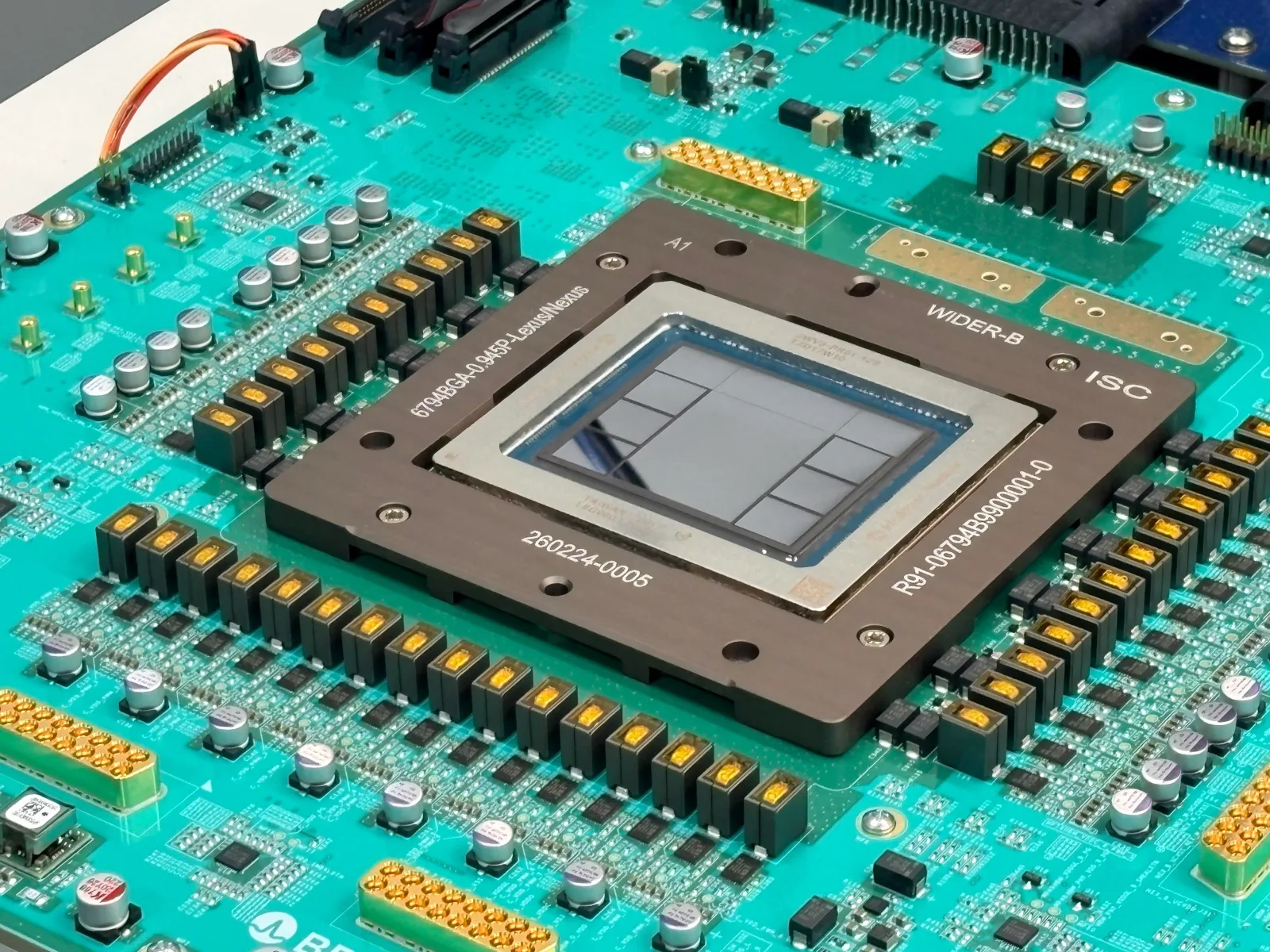
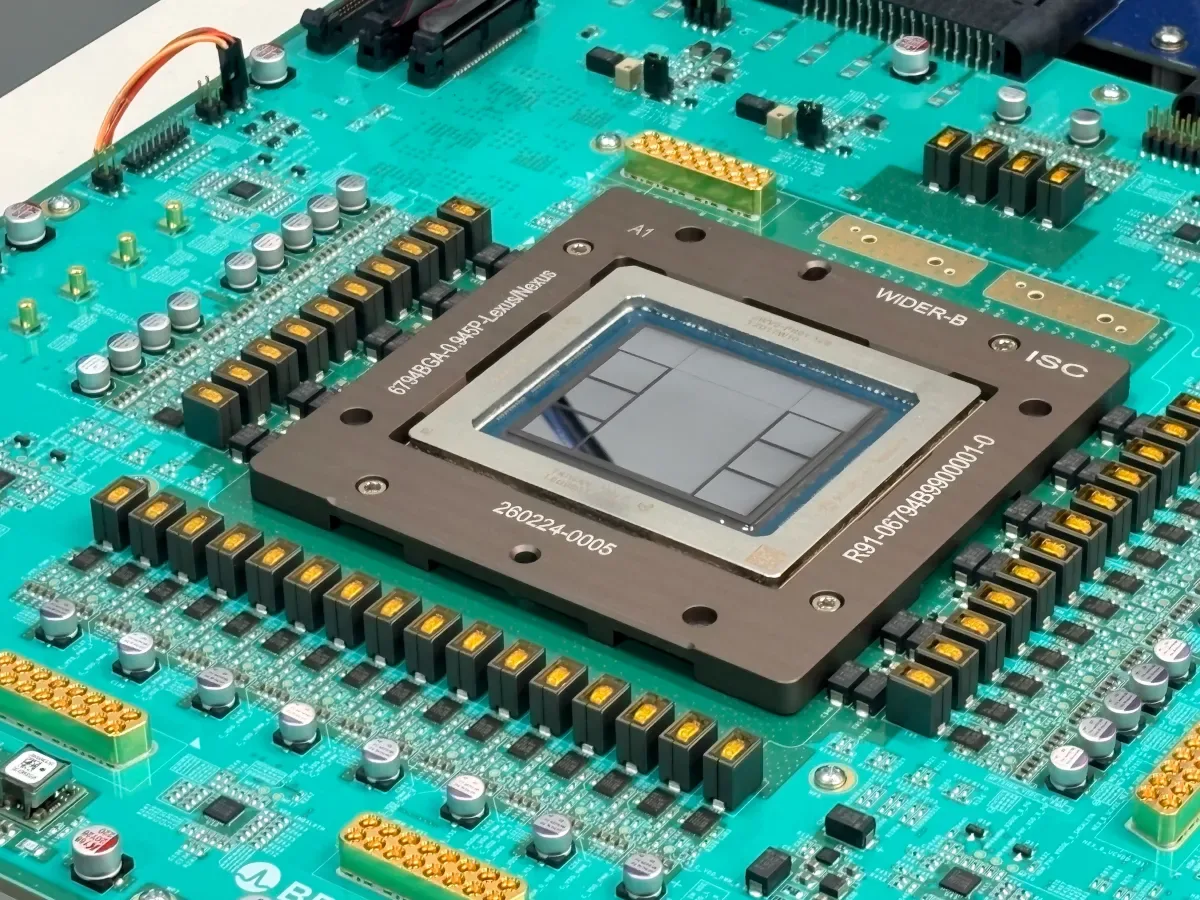
OpenAI is making a bold statement about the future of AI infrastructure by introducing its custom silicon, the Jalapeño chip. According to a blog post published on Tuesday, the company claims this new hardware delivers faster responses and greater efficiency than competing systems. This announcement marks a significant step in OpenAI's journey to control more of its technology stack, moving beyond just software and models into the physical layer of computing.
The core promise of Jalapeño is that it solves a persistent problem in the industry. During a briefing with reporters, OpenAI hardware vice president Richard Ho explained that the chip offers the best of both worlds. Typically, AI systems are forced to make a difficult trade-off between lower latency and higher throughput. Jalapeño aims to eliminate that compromise entirely, allowing for speed without sacrificing capacity.
This is not just a marketing stunt. The chip is an Application-Specific Integrated Circuit, or ASIC, developed in partnership with Broadcom. It was first introduced in June, but this latest update provides more concrete details about its capabilities. By working with Broadcom, OpenAI is leveraging established semiconductor expertise to build something tailored specifically for its needs.
The design focus is squarely on AI inference. This is the process where a trained model is actually used to complete tasks or deploy agents. While training models requires massive computational power, inference happens every time a user interacts with an AI. Optimizing this phase is crucial for delivering smooth, real-time experiences to millions of users simultaneously.
Why does this matter for the broader tech ecosystem? It highlights the intensifying race for hardware dominance. As AI models grow larger and more complex, the cost and energy required to run them become critical bottlenecks. By building its own chips, OpenAI reduces its reliance on third-party suppliers like NVIDIA. This vertical integration could provide a significant cost advantage and performance edge that competitors struggle to match.
The implications for developers and enterprises are substantial. If OpenAI can consistently deliver lower latency and higher throughput, it sets a new standard for user expectations. Other companies will need to accelerate their own hardware strategies or risk falling behind in service quality. This could lead to a more fragmented landscape where proprietary hardware becomes a key differentiator in the AI market.
What this means for you: As an AI professional, keep an eye on how OpenAI integrates this hardware into its API offerings. You may see noticeable improvements in response times for complex queries. To test this, try using an AI assistant to generate code snippets under tight time constraints and compare the latency with previous benchmarks. This simple workflow can help you gauge the real-world impact of these hardware advancements on your daily productivity.
Reporting basis: original story
← back to The Wire