
the wire · #gadgets · 2026-09-27
Report: Apple working on new Vision Pro, with different form factors on the table
Cech Tech Reviews
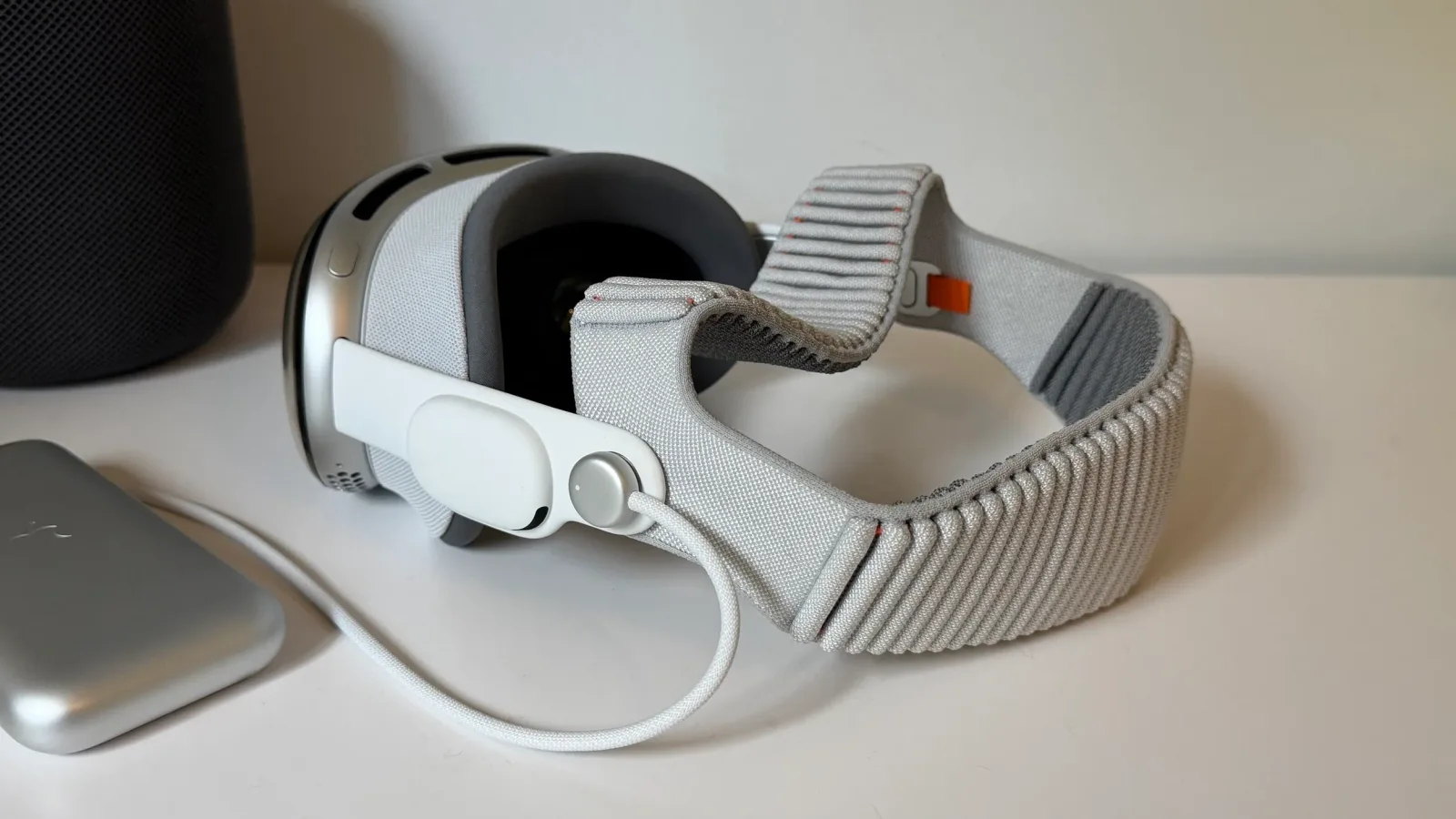
Apple’s journey with the Vision Pro has been defined by a single, persistent question from the market. Consumers and developers alike have been waiting for a version that does not feel like a heavy brick strapped to your face. For a long time, the industry focused on a project codenamed N100, widely rumored to be the Vision Air. That specific path was abandoned last year, leaving many to wonder if Apple had simply given up on the lightweight dream. However, recent reporting suggests the company is far from done with the form factor experiment.
According to Bloomberg, Apple is now working on a new project with similar aspirations to the shelved N100. This indicates that the engineering challenges of reducing weight and cost have not been solved by a single breakthrough. Instead, the company is exploring different form factors to find the right balance. This pivot is crucial because it shows Apple is listening to the feedback loop of early adopters who found the initial device too cumbersome for daily use.
The shelving of the Vision Air was a significant moment for the division. It forced a reevaluation of the roadmap and likely redirected resources toward more feasible solutions. The new project suggests that Apple is willing to iterate rapidly rather than waiting for a perfect, singular solution. This approach is common in hardware development but is particularly notable in the spatial computing sector where user comfort is a primary barrier to adoption.
From an AI perspective, this hardware shift is just as important as the software updates. Lightweight headsets enable longer usage sessions, which is critical for AI agents that need to run continuously in the background. If users cannot wear the device for more than an hour, the utility of persistent AI assistants is severely limited. The hardware must support the software vision, and a lighter device opens the door for more integrated, ambient computing experiences.
The broader implication here is a move toward mass market viability. The original Vision Pro was a statement piece, but it was not a mass market product. By focusing on different form factors, Apple is likely trying to find a price point and weight class that appeals to the average consumer. This could lead to a more diverse ecosystem of apps and services that are designed for shorter, more frequent interactions rather than long, immersive sessions.
For developers and entrepreneurs, this news signals a need to prepare for a multi-form-factor future. You cannot assume that your AI tool will only run on a high-end, expensive headset. The next wave of users will likely interact with spatial computing through a more affordable and comfortable device. This means optimizing your applications for lower power consumption and different interaction models that suit lighter hardware.
What this means for you is that the spatial computing landscape is about to become more accessible. If you are building AI tools for enterprise or consumer use, consider how your solution would perform on a lighter, more affordable device. Focus on efficiency and quick interactions rather than heavy, sustained immersion. Here is a prompt you can use to explore this shift with your AI assistant: Analyze my current application workflow and identify three features that could be optimized for shorter, intermittent usage sessions on a lightweight AR device. This will help you prepare for the next generation of hardware that Apple is clearly prioritizing.
Reporting basis: original story
← back to The Wire

![These are my favorite iPhone 18 Pro & Pro Max cases so far [Video]](https://aideaflow.com/api/img/news/d422dce3af7ca275.webp)

![macOS 27 Top Features: much more than just Siri AI [Video]](https://aideaflow.com/api/img/news/07484b5b4327f6d1.webp)