the wire · #gadgets · 2026-07-11
SANDISK Phone Drive for iPhone is a great solution to low storage
Cech Tech Reviews
Every time we purchase a new smartphone, we are forced to make a difficult judgment call about storage capacity. We have to guess not only how much space we need right now but also how much we will require over the entire lifespan of the device. This prediction is notoriously difficult, and many of us inevitably get it wrong, leading to frustrating storage warnings before the phone is even two years old.
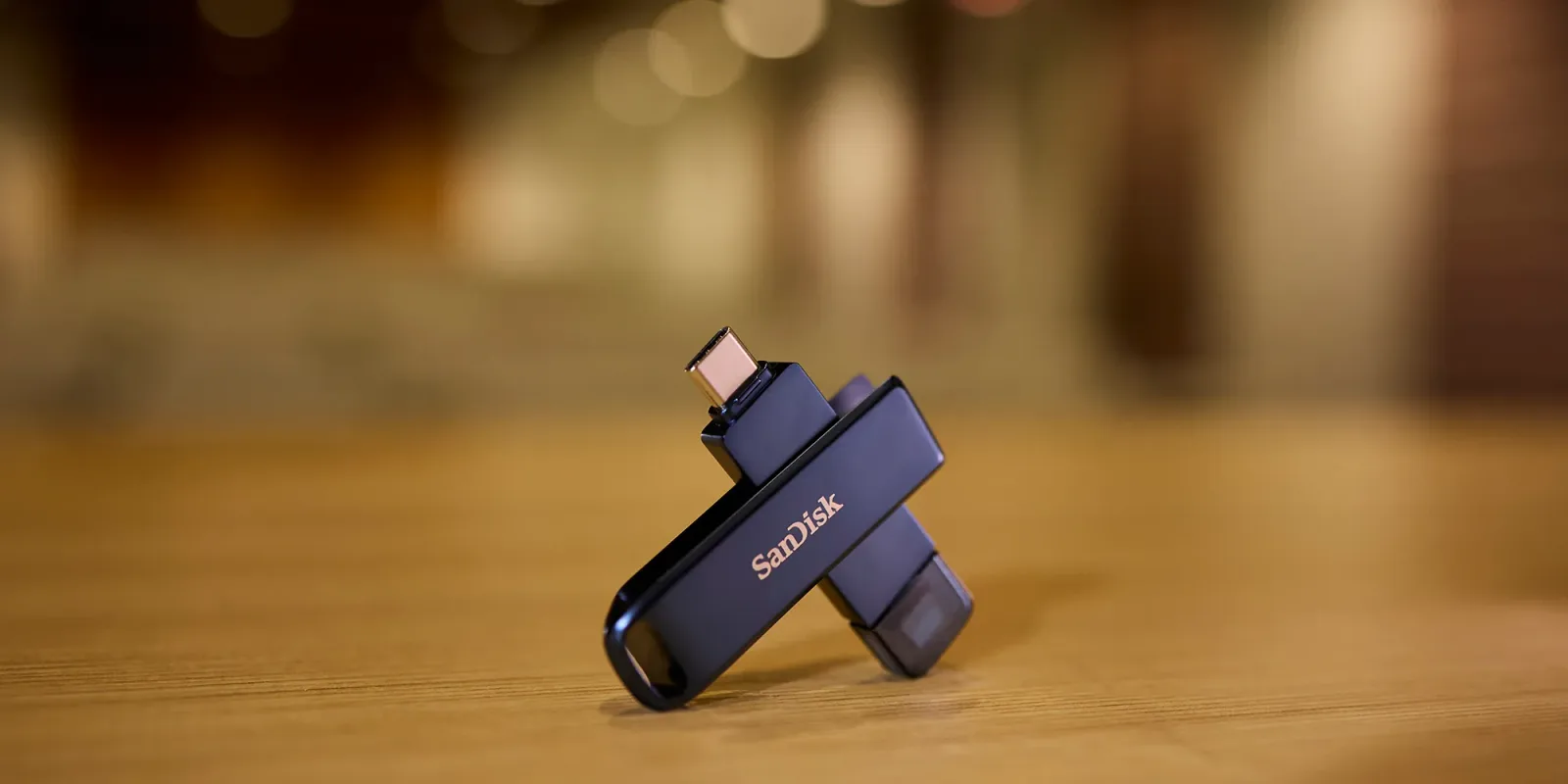
According to recent reporting, SanDisk has introduced a solution that bypasses this dilemma entirely with the Phone Drive for iPhone. Instead of paying a premium for 512GB or 1TB of internal flash memory that you might never fully utilize, this external drive allows you to expand your storage on demand. It is a clever hardware approach that shifts the cost burden from the device manufacturer to a peripheral accessory.
The core value proposition here is flexibility. You can buy the base model of your favorite phone and fill the rest of your needs with the Phone Drive. This is particularly relevant for content creators, travelers, and anyone who hoards high-resolution photos and 4K videos. It effectively decouples your storage needs from your hardware purchase, giving you control over your digital footprint.
From an industry perspective, this highlights a growing tension between sleek, sealed hardware designs and user expandability. As phones become more integrated and less modular, external storage solutions like this become increasingly important. It suggests that consumers are willing to carry an extra dongle if it means saving hundreds of dollars upfront or avoiding the anxiety of running out of space.
The practical implication for professionals is significant. You no longer need to carry multiple devices or rely solely on cloud subscriptions that may have sync delays or privacy concerns. By keeping your media on a physical drive connected to your iPhone, you maintain local access to your most critical files without the latency of network transfers.
This trend also points to a broader shift in how we view personal data. We are moving away from the idea that all data must live on the device itself. Instead, we are embracing a hybrid model where the phone is the interface, but the storage can be distributed across various external mediums. This gives users more agency over their data management strategies.
What this means for you is that you can now optimize your tech budget without compromising on performance. If you are an AI enthusiast who processes large datasets or stores extensive local models, consider using external storage for your raw data while keeping your active workspace lean. Try this workflow: Use an AI assistant to categorize your photo library by date and location, then manually move the older, less frequently accessed folders to the SanDisk drive to free up space for new projects.
Reporting basis: original story
← back to The Wire