the wire · #topnews · 2026-10-28
Sauerkraut at Every Meal? These Fermentation Fanatics Tried That Long Before MAHA
Cech Tech Reviews
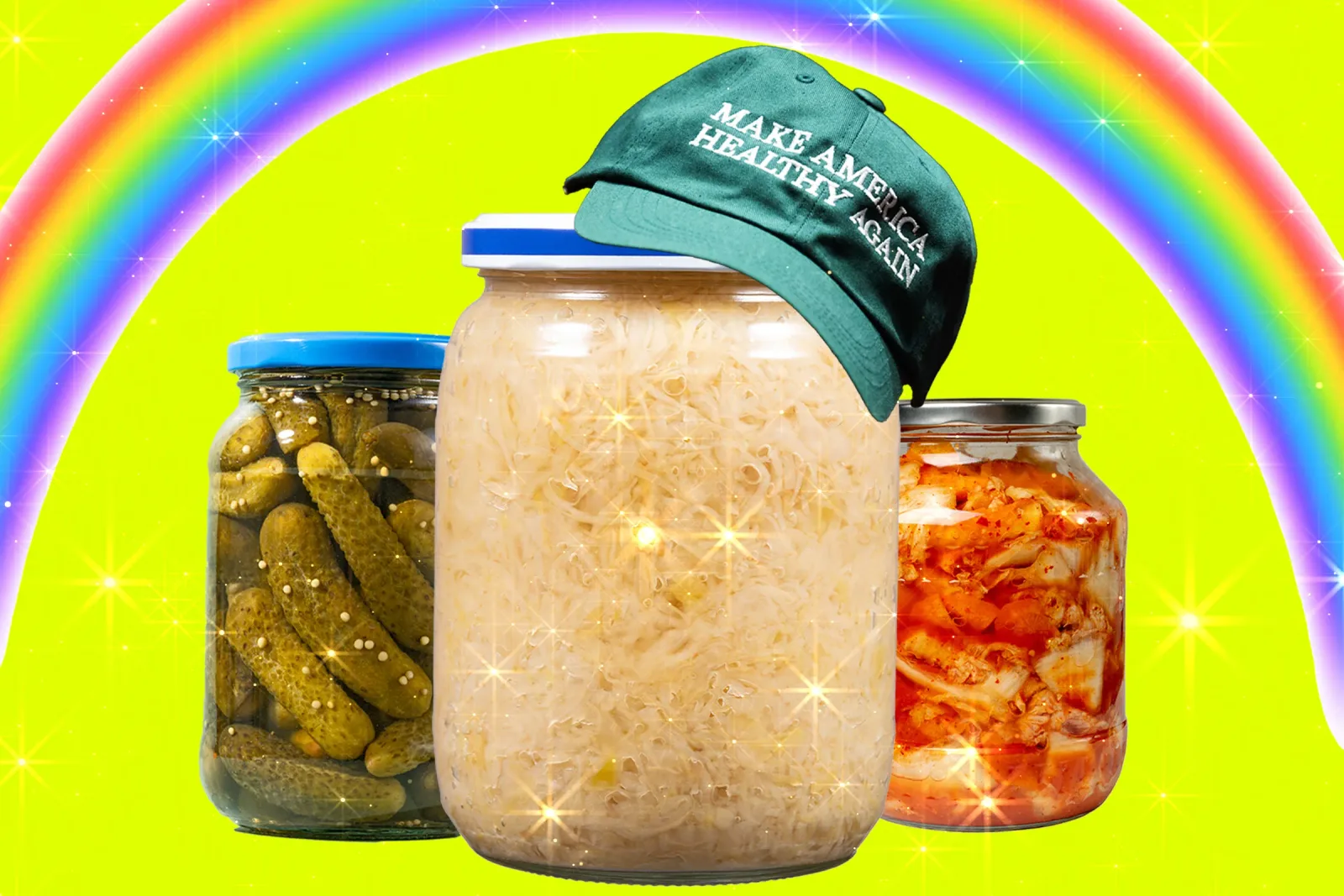
The annual Portland Fermentation Festival recently wrapped up in Oregon, bringing together enthusiasts who view sauerkraut, kimchi, and other fermented foods as more than just side dishes. According to coverage of the event, these items are currently enjoying a significant spotlight in both social and political conversations. This surge in interest reflects a broader cultural movement that prioritizes gut health, sustainability, and traditional food preservation methods in an increasingly industrialized world.
While the festival celebrates the human element of fermentation, the underlying technology driving this industry is evolving rapidly. Artificial intelligence is no longer confined to software development or creative writing. It is now being applied to biological processes, helping scientists and producers optimize fermentation conditions. This intersection of ancient culinary arts and modern machine learning represents a fascinating new frontier for food technology.
AI models can analyze complex variables such as temperature, humidity, and microbial activity to predict optimal fermentation times. This data-driven approach reduces waste and ensures consistency, which is crucial for scaling up production of artisanal foods. For entrepreneurs in the food sector, leveraging these tools can mean the difference between a niche product and a market-ready brand. The ability to predict outcomes with high accuracy is a game changer for small businesses.
The political and social spotlight on fermented foods also highlights concerns about food security and local sourcing. In times of global supply chain disruption, fermentation offers a way to preserve food without refrigeration or extensive energy use. This aligns with broader tech trends focused on resilience and decentralization. AI can help map local supply chains and suggest which crops are best suited for fermentation based on regional climate data.
For AI enthusiasts, this is a reminder that the applications of large language models and predictive analytics extend far beyond digital interfaces. The physical world, including our food systems, is ripe for optimization through data. Understanding how these technologies intersect with biology and agriculture will be key for professionals looking to innovate in sustainable sectors. The skills required to bridge these domains are becoming increasingly valuable.
What this means for you is that you can start exploring how data can improve your own food practices or business models. You do not need to be a scientist to benefit from these insights. Start by documenting your own fermentation processes and looking for patterns. Use an AI assistant to analyze your notes and suggest adjustments based on general food science principles. Try this prompt: "Analyze my fermentation log for temperature and time variations. Suggest three adjustments to improve consistency based on general microbiology principles." This simple workflow can help you apply analytical thinking to your daily habits.
Reporting basis: original story
← back to The Wire