the wire · #topnews · 2026-10-05
Explaining Hall-effect, TMR, and other new types of "mechanical" switches
Cech Tech Reviews
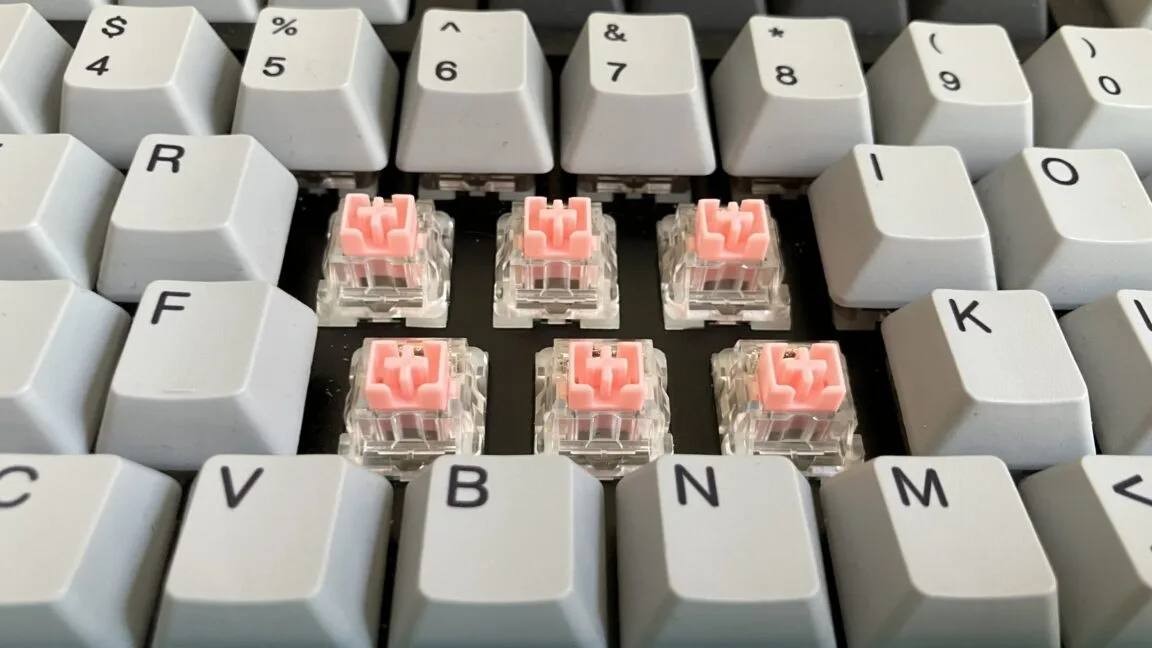
The term mechanical keyboard has become something of a misnomer in the current tech landscape. According to recent reporting, the industry is rapidly moving away from traditional physical contacts toward optical and magnetic sensing technologies. This shift represents a fundamental change in how input devices translate physical action into digital signals. It is no longer just about the tactile click of a spring but about the precision of sensor detection.
Hall-effect sensors are leading this charge by using magnetic fields to detect keypresses without any physical contact. This design eliminates the wear and tear associated with traditional metal contacts. The result is a switch that theoretically lasts significantly longer and offers more consistent performance over time. For users who type or game intensely, this durability is a major selling point that traditional switches simply cannot match.
Another emerging technology is Tunnel Magnetoresistance or TMR. These sensors offer even higher sensitivity and lower power consumption than their Hall-effect counterparts. They allow for finer granularity in detecting how far a key is pressed. This precision opens the door for advanced customization features that were previously impossible with standard mechanical switches. The hardware is becoming more sophisticated with each generation of these new input devices.
Despite these technological leaps the price premium for these keyboards remains steep. Consumers are often paying significantly more than they would for a high quality traditional mechanical board. The question then becomes whether the theoretical advantages justify the extra cost for the average user. For many daily typists the difference in feel and performance may be subtle at best.
Gamers are the primary target audience for these innovations because reaction time and consistency are critical. However the implications extend beyond just competitive play. For professionals who rely on precise input commands or macro sequences these switches offer a level of reliability that can enhance workflow efficiency. The reduction in accidental double presses is a practical benefit that many users overlook.
As an AI enthusiast I see a parallel between these hardware advancements and the precision we demand from our software models. Just as we seek more accurate and less biased AI outputs we should seek input devices that reduce noise and error in our data entry. The move toward contactless switches is a step toward purer interaction between human intent and machine execution.
What this means for you is that you should evaluate your specific use case before upgrading. If you are a casual typist the current keyboard likely suffices. However if you are building a high performance workstation for coding or data entry the precision of Hall-effect switches may be worth the investment. Try using an AI assistant to generate a custom macro script that leverages the rapid actuation of these new switches for repetitive tasks.
Reporting basis: original story
← back to The Wire