the wire · #topnews · 2026-10-27
Anthropic Says It Will Revolutionize Biology, Some Day
Cech Tech Reviews
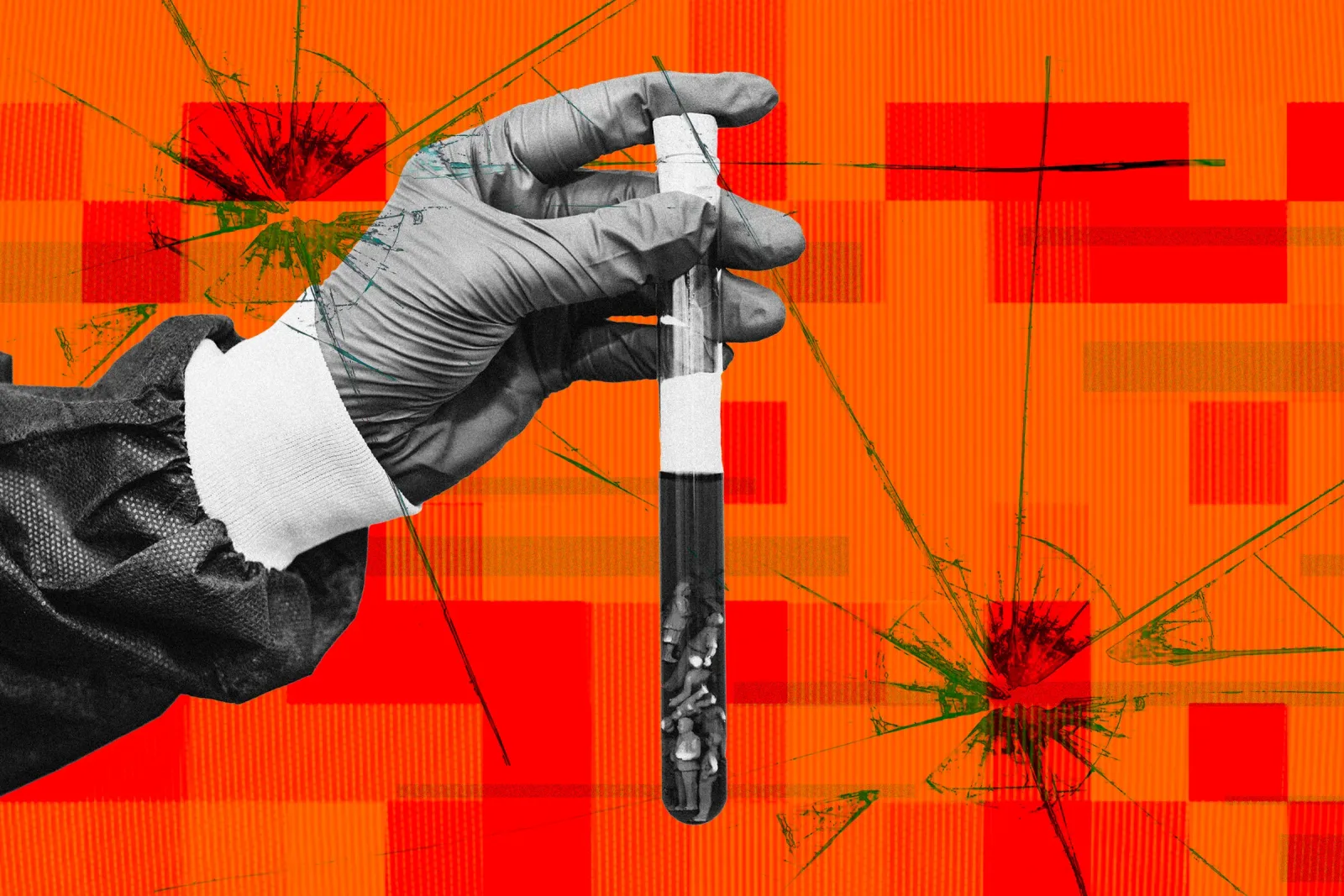
Anthropic has long positioned itself as the gateway to scientific discovery, with press releases that often read like science fiction. The company has consistently touted its large language models as tools capable of delivering major breakthroughs in fields like biology and chemistry. This narrative has been central to its brand identity and investor appeal.
However, a closer look at its recent IPO filing suggests a significant shift in tone. According to the documents, the company is now tapping the brakes on how quickly these AI models will lead to tangible scientific discoveries. This is not a retreat from science, but rather a necessary calibration of expectations in a field that moves slowly.
The contrast between marketing and reality is stark. While the public-facing materials promise revolution, the legal and financial disclosures emphasize the long timeline required for validation. This is particularly true in biology, where experimental verification can take years, not seconds. The AI can hypothesize, but the lab must prove.
This distinction matters for entrepreneurs and researchers who might be looking for immediate solutions. It highlights a broader trend in the AI industry where the hype cycle is finally meeting the friction of real-world application. Companies are learning that generating ideas is easy, but executing them in physical sciences is incredibly hard.
For professionals in biotech or related fields, this is a crucial reality check. It means that while AI can accelerate the initial stages of research, it cannot replace the rigorous, time-consuming process of experimental validation. The value lies in augmentation, not replacement, at least for the foreseeable future.
The filing also serves as a risk mitigation strategy for investors. By clearly stating the limitations and timelines, Anthropic is protecting itself from accusations of overpromising. This transparency, while less exciting than a revolution headline, builds trust with stakeholders who understand the complexities of scientific innovation.
What this means for you: Do not expect AI to solve complex biological problems overnight. Instead, use these tools to accelerate literature reviews and hypothesis generation. Try this workflow: Ask your AI assistant to summarize recent papers on a specific protein interaction, then use its output to draft a list of experimental variables for your next lab test. This leverages the speed of AI without overestimating its current scientific authority.
Reporting basis: original story
← back to The Wire