the wire · #gadgets · 2026-07-03
Silo season three is streaming today on Apple TV
Cech Tech Reviews
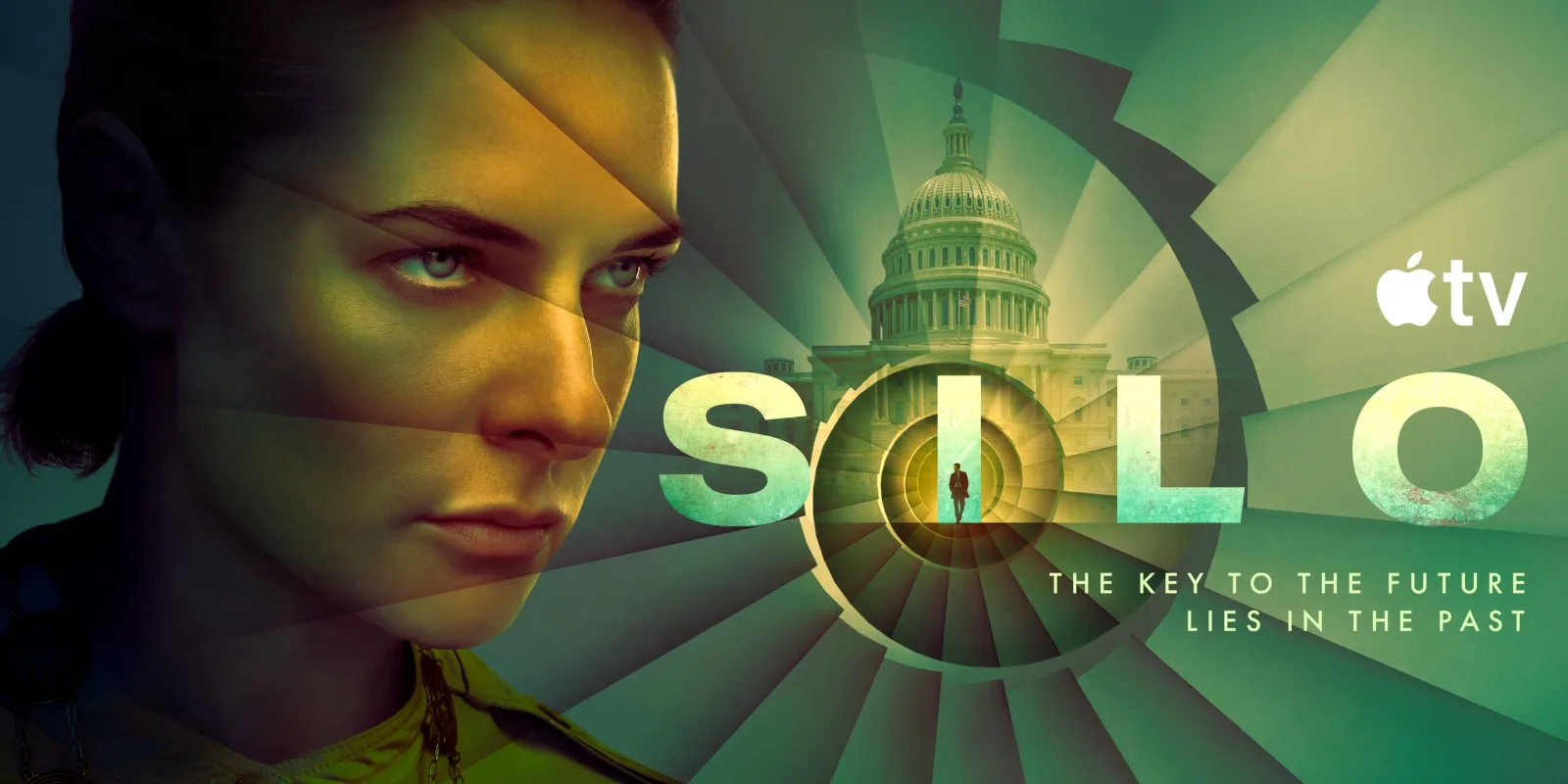
The wait is finally over for fans of dystopian sci-fi. Apple TV+ has officially dropped the third season of Silo, bringing Hugh Howey’s complex world back to our screens. According to recent reports, this new installment marks a significant structural departure from previous seasons by introducing a split timeline narrative. This isn't just a stylistic choice; it is a deliberate tool to unravel the deepest mysteries of the series.
The show has always been a puzzle box, but season three opens the lid. We now see two distinct eras playing out simultaneously. In the present, Juliette, played by Rebecca Ferguson, is grappling with severe amnesia. This personal loss mirrors the collective amnesia of the society they inhabit. It creates a compelling parallel between individual memory and historical truth.
Meanwhile, the past timeline provides the missing context. These flashbacks reveal the origins of the silos and the people who built them. We learn who decided to bury humanity underground and why they deemed it necessary for survival. This dual approach allows the writers to show cause and effect in real time, rather than just revealing the aftermath.
From an AI perspective, this narrative structure is fascinating. It mimics how advanced language models handle complex queries. When we ask an AI to explain a historical event, it often retrieves data from different time periods and synthesizes them into a coherent story. Silo does this manually, weaving disparate facts into a single emotional arc.
The amnesia plot device is particularly relevant to current AI challenges. It reflects the issue of context windows and data retrieval. Juliette must piece together her identity from fragmented data points, much like an AI reconstructing a narrative from scattered training data. This makes the show a metaphor for information synthesis in the digital age.
For content creators and entrepreneurs, the lesson is clear. Linear storytelling is becoming less effective in a world of fragmented attention. Non-linear narratives that require active audience participation are more engaging. They force viewers to connect dots, creating a deeper investment in the outcome. This is the future of immersive media.
What this means for you: Use this narrative structure to enhance your own content strategy. Instead of presenting information chronologically, try presenting the conclusion first, then the context. Here is a prompt you can use with an AI assistant to test this: "Analyze the following article and rewrite it using a split-timeline structure. Start with the current outcome, then provide the historical context that led to it, ensuring both threads converge at the end."
The success of Silo season three will likely influence how streaming platforms approach complex sci-fi. It proves that audiences are willing to work for their entertainment. They want to be challenged. This trend will push creators to design more interactive and intellectually stimulating experiences. AI tools will be essential in helping writers manage these complex plot threads efficiently.
Reporting basis: original story
← back to The Wire